The Academy of the Arabic Language concludes its 44th cultural season by commemorating its late figures
Amman6 min read
Share
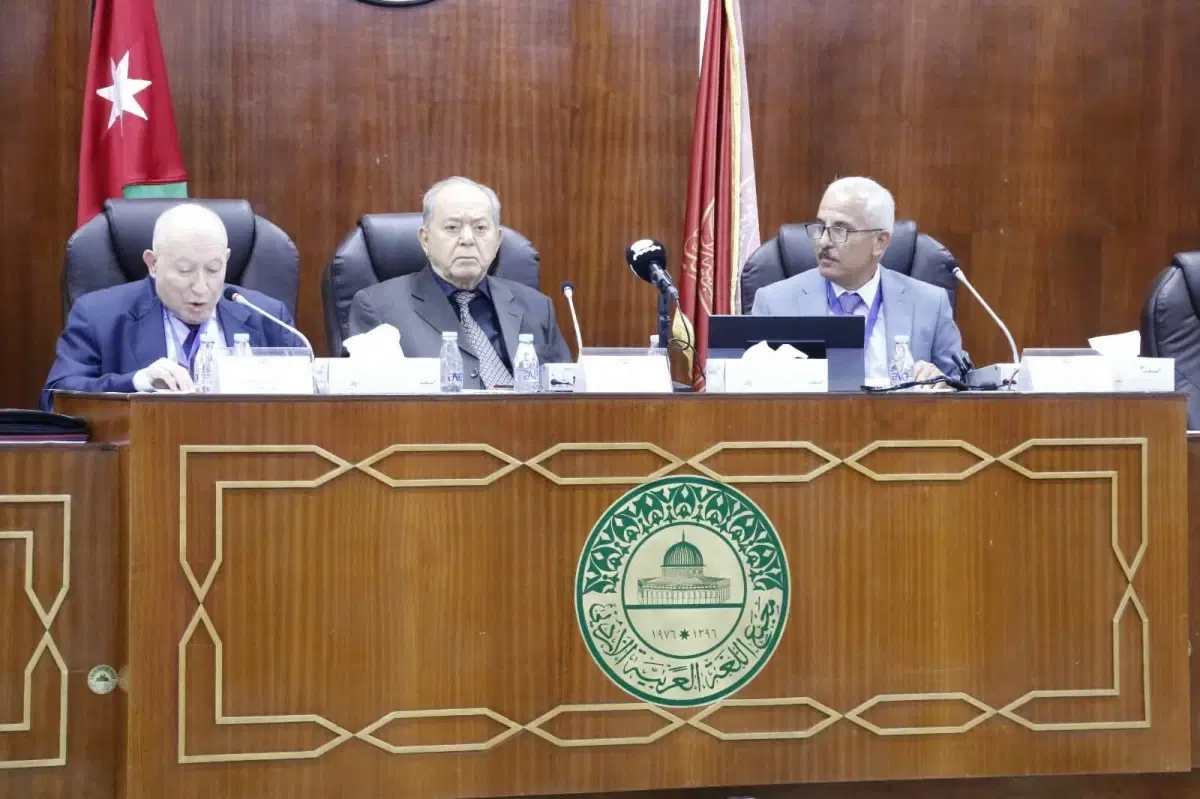
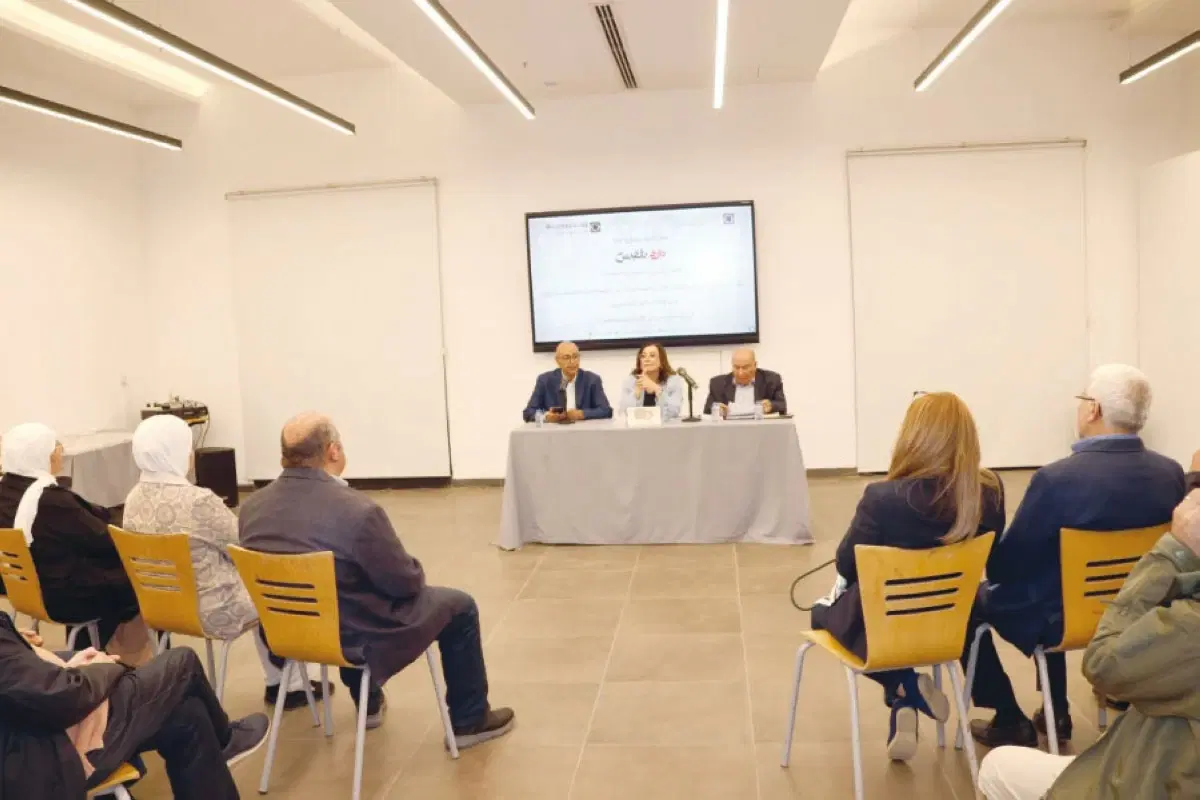
The Jordanian Academy of the Arabic Language concluded, on Wednesday, the activities of its forty-fourth cultural season with a scientific and dialogue symposium entitled "Late Academy Members," which addressed the scientific, intellectual, and national journey of three of its members who left a prominent knowledge legacy in the fields of the Arabic language, medical sciences, and earth sciences.
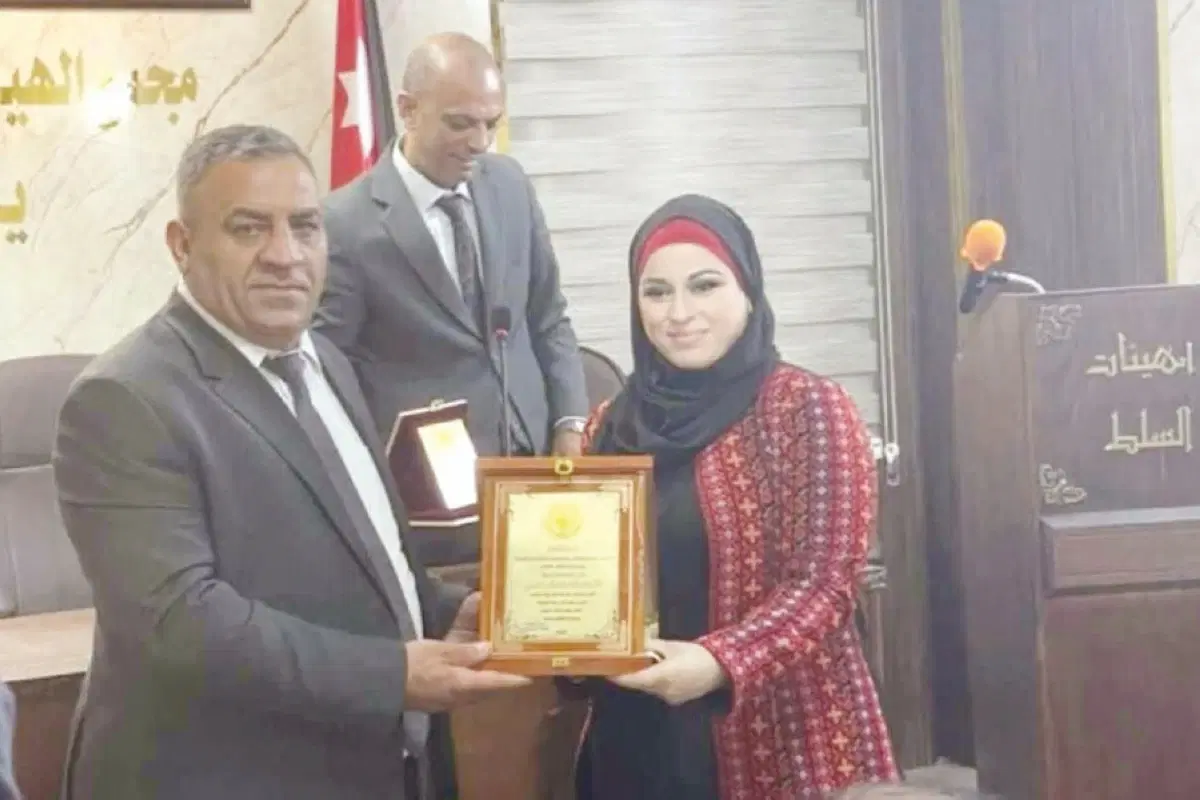
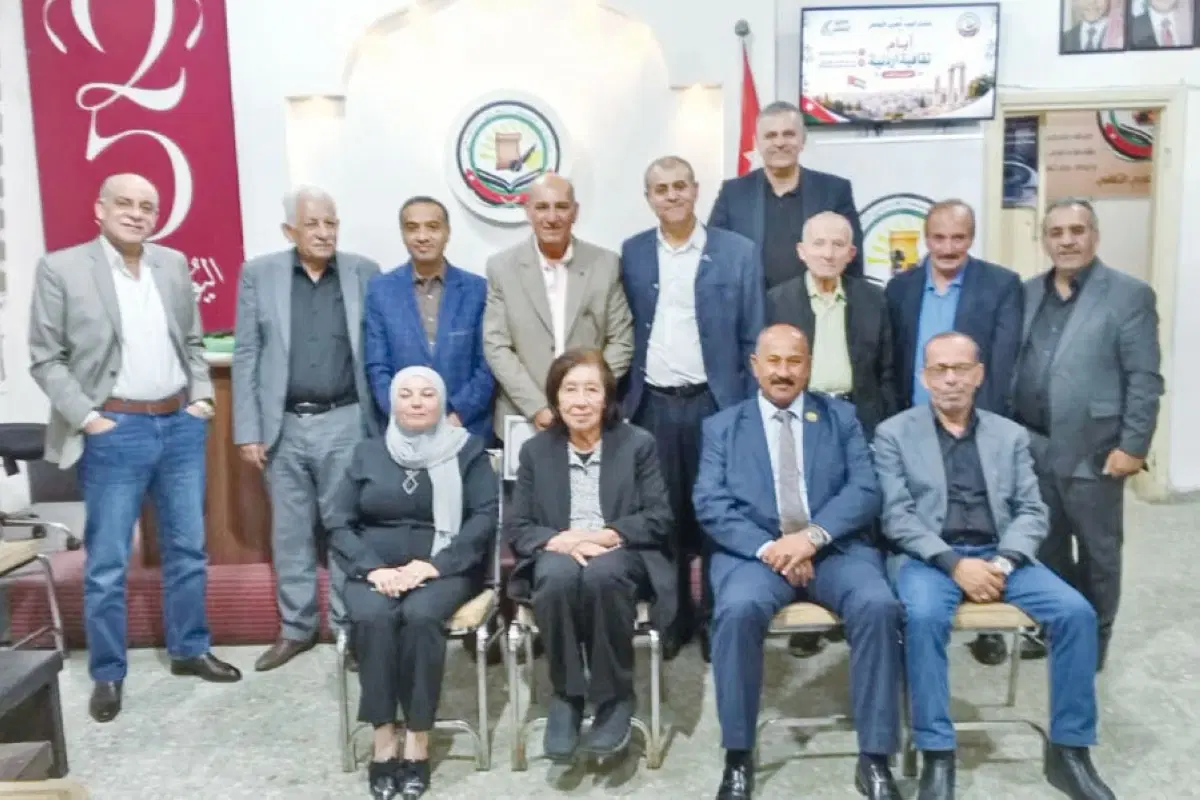
The symposium, which was held in the Professor Dr. Abdulkarim Khalifa Hall at the Academy's headquarters, in the presence of the Academy's president and members, and with the participation of an elite group of academics, researchers, and those interested in cultural and linguistic affairs, witnessed a review of bright milestones in the lives of the deceased, and their contributions to serving the Arabic language, Arabizing sciences, and developing scientific research.
The participants emphasized that commemorating the late figures of the Academy represents loyalty to their scientific journey and appreciation for their contributions, and also embodies the Academy's keenness to safeguard the national scientific memory and continue its role in supporting the Arabization movement and enhancing the presence of the Arabic language in various fields of knowledge.
The proceedings of the symposium were distributed over three scientific sessions: the first was dedicated to commemorating the journey of Professor Dr. Ismail Amaireh, the second to highlighting the achievements of Professor Dr. Ahmad Sheikh Al-Sarouji, while the third session addressed the academic and scientific journey of Professor Dr. Abdulqader Mohammad Abed.
Amaireh.. Pioneering linguistic and lexicographical contributions
The first session, chaired by Professor Dr. Ibrahim Al-Saafin, reviewed aspects of the scientific and academic journey of the late Professor Dr. Ismail Amaireh, and his contributions to linguistic and lexicographical studies and teaching the Arabic language to non-native speakers.
Professor Dr. Omar Al-Ghoul, from the Faculty of Archaeology and Anthropology at Yarmouk University, presented a scientific paper discussing Amaireh's upbringing and scientific formation between Jordan and Germany, and his obtaining a PhD from the German University of Erlangen in 1983, pointing out the diversity of his scientific output and his contributions to introducing German orientalist efforts in studying Arabic, and calling for the republication of his works and the revival of the scientific knowledge they contained.
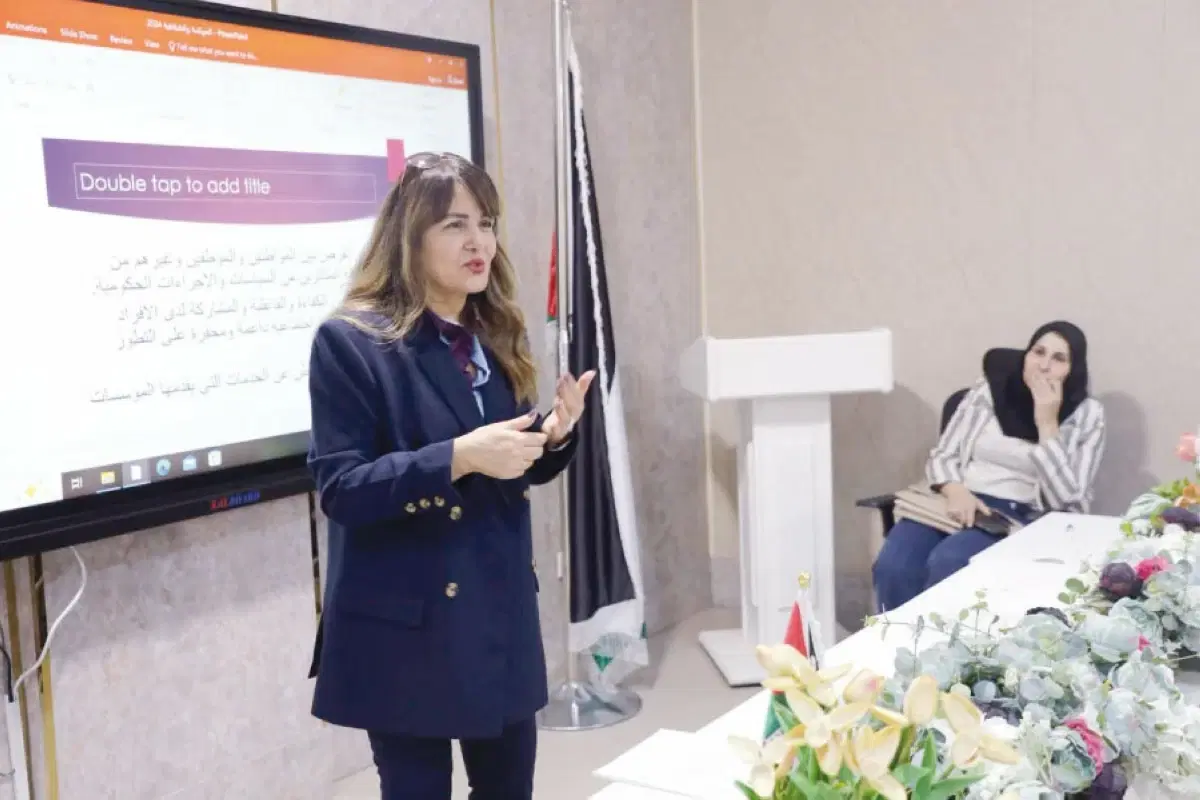
For her part, Professor Dr. Ibtisam Hussein, from the Department of Arabic Language and Literature at Yarmouk University, addressed in her paper entitled "The Computarization of Linguistic Lesson in Ismail Amaireh: A Methodological Approach in Light of Computational Linguistics and Natural Language Processing," the features of the late scholar's early methodological vision in describing, organizing, classifying, and statistically analyzing linguistic phenomena.
She explained that his lexicographical, morphological, and grammatical projects included aspects intersecting with the concepts of computational linguistics and modern text corpora, reflecting his early realization of the importance of employing scientific methodologies in studying language and analyzing its structure.
Al-Sarouji.. Medical career and dedication to Arabizing sciences
The second session, chaired by Professor Dr. Ziad Al-Zoubi, addressed the biography of Professor Dr. Ahmad Sheikh Al-Sarouji, one of the prominent names in the field of surgery, reviewing his professional and academic contributions and his role in Arabizing medical sciences.
Academy member Professor Dr. Samir Al-Dorubi presented a paper reviewing Al-Sarouji's upbringing and education in Amman, his study of medicine at Cairo University, and his surgical training in Britain, alongside his career spanning four decades at the Jordan University Hospital and its Faculty of Medicine, and what he was known for regarding his commitment to integrity, justice, and the rejection of favoritism.
Al-Dorubi also shed light on the late scholar's efforts in Arabizing the book "Surgery of the Endocrine Glands" by Orlo Clark in 1992, and his participation in the Arabization project of the global surgical encyclopedia "A Brief on the Practice of Surgery," which was issued in its four parts by the Academy and received the Kuwait Foundation for the Advancement of Sciences Award in 1998.
In turn, Professor Dr. Shaher Al-Hadidi, from the Faculty of Medicine at the University of Jordan, presented a documentary presentation entitled "The Sheikh of Surgeons: Professor Dr. Ahmad Sheikh Al-Sarouji," addressing aspects of his scientific personality as a surgeon, educator, and translator, reviewing his clinical studies in endocrine surgery and cancers among Jordanian and Arab patients, and his vision based on establishing solid scientific foundations for medicine in the Arabic language.
Abed.. A knowledge project in earth sciences and the history of science
In the third session, chaired by Academy Vice President Professor Dr. Ibrahim Badran, participants commemorated the journey of Professor Dr. Abdulqader Mohammad Abed, and his scientific and research contributions in earth sciences, geology, the Arabization of science, and the history of knowledge in Arab-Islamic civilization.
Professor Dr. Hammam Ghassib presented a reading of the late scholar's journey, reviewing his scientific and academic relationship with him for about four and a half decades at the University of Jordan, the Jordanian History of Science Association, and the Directorate of Curricula, alongside his journey at the Academy, to which he was elected as an active member in 2006.
Ghassib pointed out Abed's passion for fieldwork in various regions of Jordan, and the distinguished scientific publications he left behind, foremost among them his book "The Dome of the Sky Speaks Arabic," which reflects his interest in linking scientific knowledge with the Arabic language and highlighting the contributions of the Arab-Islamic civilization to science.
Furthermore, Professor Dr. Abdullah Abu Hamad, from the Faculty of Science at the University of Jordan, presented an analytical reading of the late scholar's scientific and knowledge project, addressing his contributions to earth sciences, sedimentary geology, geochemistry, and field exploration, in addition to his consulting work in water facilities and dams, his supervision of graduate studies, and his efforts in Arabizing sciences and documenting the history of earth and astronomical sciences and observing legal timings.
Recommendations to enhance the presence of Arabic in the digital space
At the conclusion of the cultural season, participants stressed the necessity of republishing the scientific output of the late academy members, especially publications written in the Arabic language, to ensure they are accessible to new generations and to benefit from their scientific and knowledge contents.
The recommendations called for setting Arab standards for attribution, transparency, and interpretability in language models, establishing a joint Arab observatory to monitor the presence and sovereignty of the Arabic language in the digital space, alongside building open and reliable Arabic databases that support linguistic research and development.
They also emphasized the importance of expanding cooperation between universities, language centers, and technology companies to develop specialized digital tools that serve Arabic, updating its teaching curricula, adopting functional linguistic qualification programs, and utilizing modern technologies and artificial intelligence in developing language teaching and processing tools.
The recommendations further stressed the launch of joint research projects bringing together specialists in technology and the Arabic language, enhancing integration between scientific and linguistic disciplines, contributing to cementing Arabic's status in modern knowledge fields, and achieving a balance between openness to foreign languages and the preservation of cultural and civilizational identity.