Tehran refuses to remove uranium from its territory and sets lifting "threats and sanctions" as a condition for dialoguing with the Americans
Amman3 min read
Share
Tehran informed Islamabad on Tuesday, which is acting as a mediator between it and Washington, of its refusal to transfer enriched uranium outside its territory, and conditioned the resumption of dialogue on halting "threats" and lifting sanctions against it.
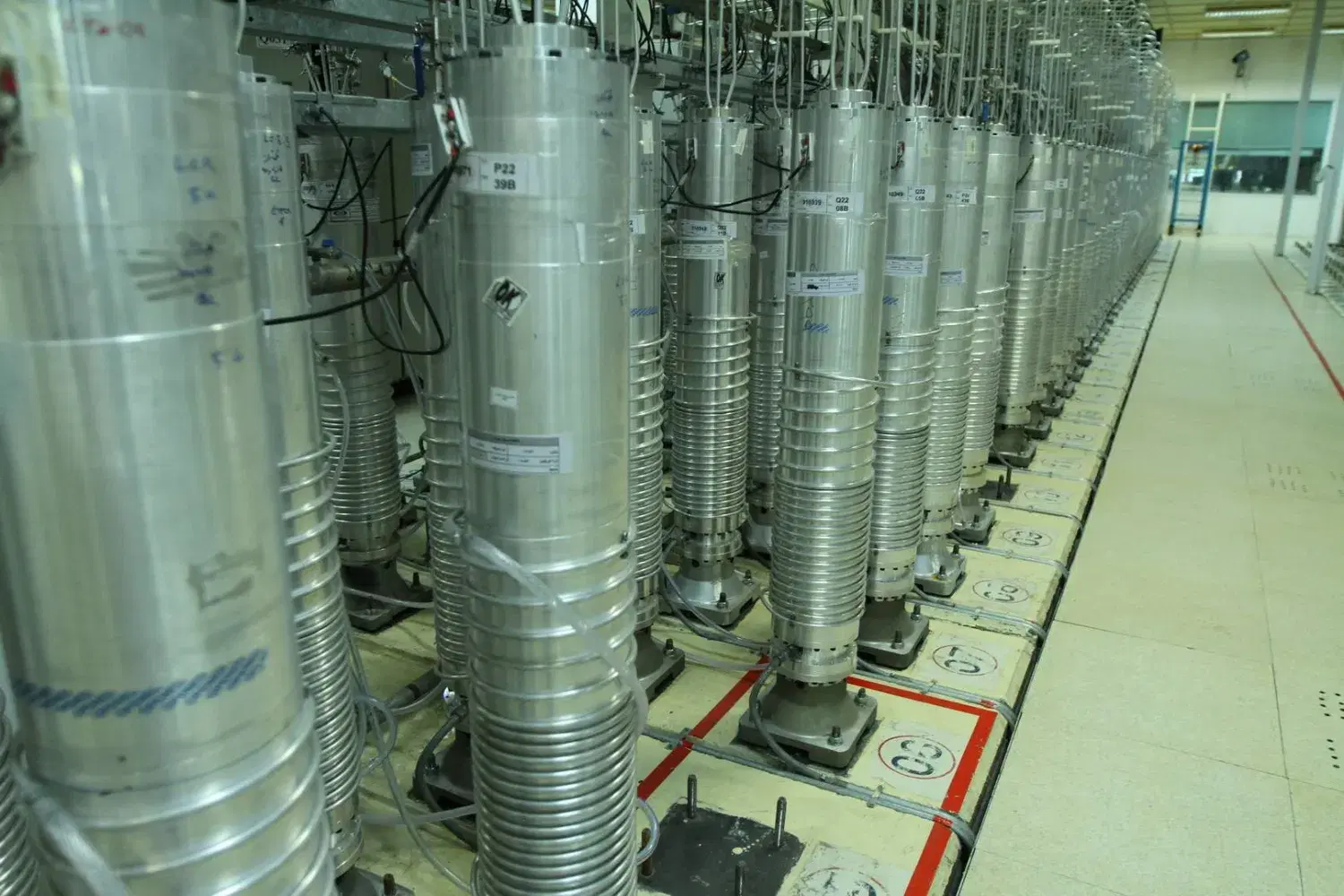
Rezai said during his reception of Pakistani Army Chief Asim Munir, "Not even a tiny amount of enriched nuclear materials will leave Iran. These resources are an important asset and a national wealth for the Iranian people, and they are designated for use inside the country."
Rezai stressed that "negotiations will not resume before Washington takes confidence-building steps, the first of which is to start meeting Iran's conditions."
Likewise, Iranian President Masoud Pezeshkian and Parliament Speaker Mohammad Bagher Ghalibaf reiterated the same Iranian position before the Pakistani envoy who visited Tehran seeking to revive diplomatic efforts to end the war between the two parties.
Pezeshkian said, "The Americans must first lift the threats and sanctions, and after that we can begin dialogue" with them.
He added, "Our people do not trust America today, and they believe that if we negotiate, they will attack us again."
For his part, Iranian Parliament Speaker Mohammad Bagher Ghalibaf stated that Tehran "has nothing new to say to America, and America cannot win Iran's trust except by implementing the seven conditions," stressing that "threats and military moves cannot affect the strategic decisions of the Islamic Republic."
Tehran's demands include a ceasefire across the Middle East, the release of frozen Iranian assets abroad, the lifting of sanctions on its oil sector, and an end to the US naval blockade.
On February 28, Israel and the United States launched a war against Iran that set the Middle East ablaze.
The Pakistani mediator played a very active role in drafting a memorandum of understanding between the two countries signed in mid-June, which was supposed to put an end to the conflict, but it quickly collapsed.
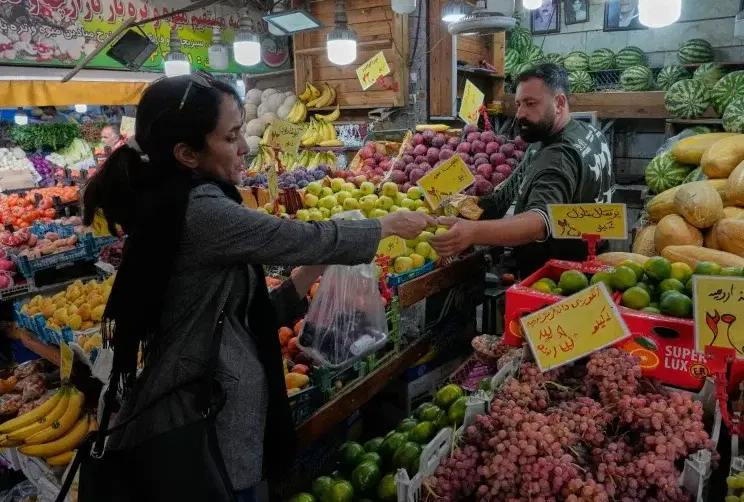
Despite the halt of US military strikes against Iran since the beginning of September, the specter of renewed hostilities continues to cast a shadow over the daily lives of Iranians.
This visit comes amid a diplomatic stalemate between Tehran and Washington, with both parties sticking to their positions, particularly regarding the reopening of the strategic Strait of Hormuz.
Before the US-Israeli strikes in June 2025, the International Atomic Energy Agency estimated that Iran possessed about 440 kilograms of uranium enriched to 60%, a percentage close to the 90% level necessary to make an atomic weapon, and far exceeding the 3.67% threshold stipulated in the 2015 agreement between Iran and major powers. Tehran has repeatedly announced its refusal to remove uranium from the country.
Israel and the United States have long accused Iran of seeking to build a nuclear weapon and imposed sanctions on it, while Tehran has consistently denied any military nuclear ambitions, emphasizing at the same time its right to possess this technology for civilian purposes.