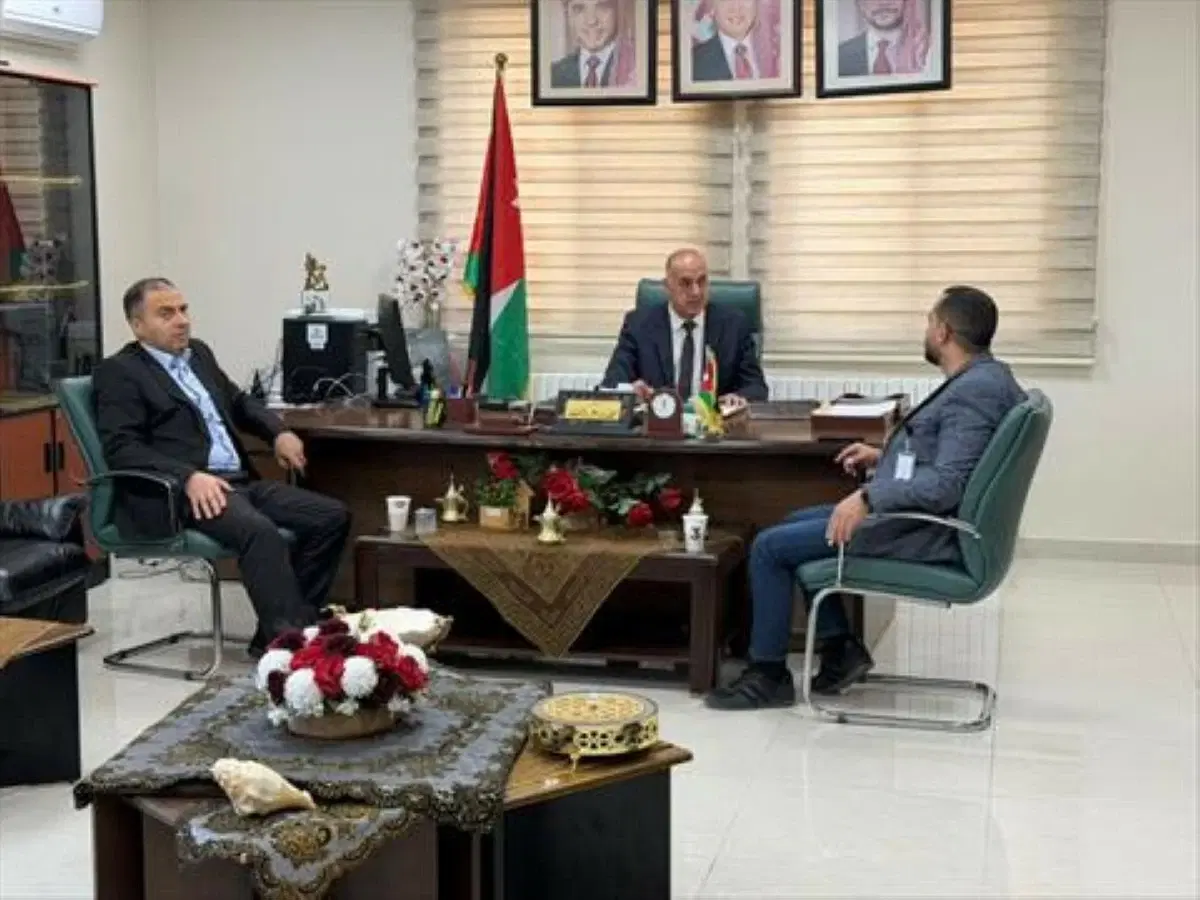
Al-Madi reviewed the completion rates of service and structural projects being implemented by the directorate in various areas of the governorate, the work progress stages, and the implementation timelines, examining the technical and operational needs required by the directorate to deal with exceptional circumstances and ensure that arterial and secondary roads connecting parts of the governorate remain open.
He explained that dealing with field observations requires the highest levels of coordination between security services, municipalities, and relevant service directorates, stressing the need to distribute heavy machinery and field teams to hotspots and road sections that experience water accumulation or falling dirt and rocks during weather depressions.
He emphasized the importance of continuing to work with a team spirit and activating main and sub-operations rooms around the clock, to ensure the speed of information relay, determine priorities for field intervention, and limit the effects resulting from any severe weather fluctuations, pointing out that protecting lives and property remains the main axis upon which all executive plans and initiatives in the governorate are built.
He called for continuing inspection tours of facilities, box culverts, and main bridges to ensure their hydraulic readiness before deepening into the rainy season, and to ensure that water drainage channels are opened to facilitate the flow of torrents and prevent their accumulation on public roads, noting that direct field follow-up is the main guarantor of performance efficiency and maintaining traffic flow throughout Tafilah.