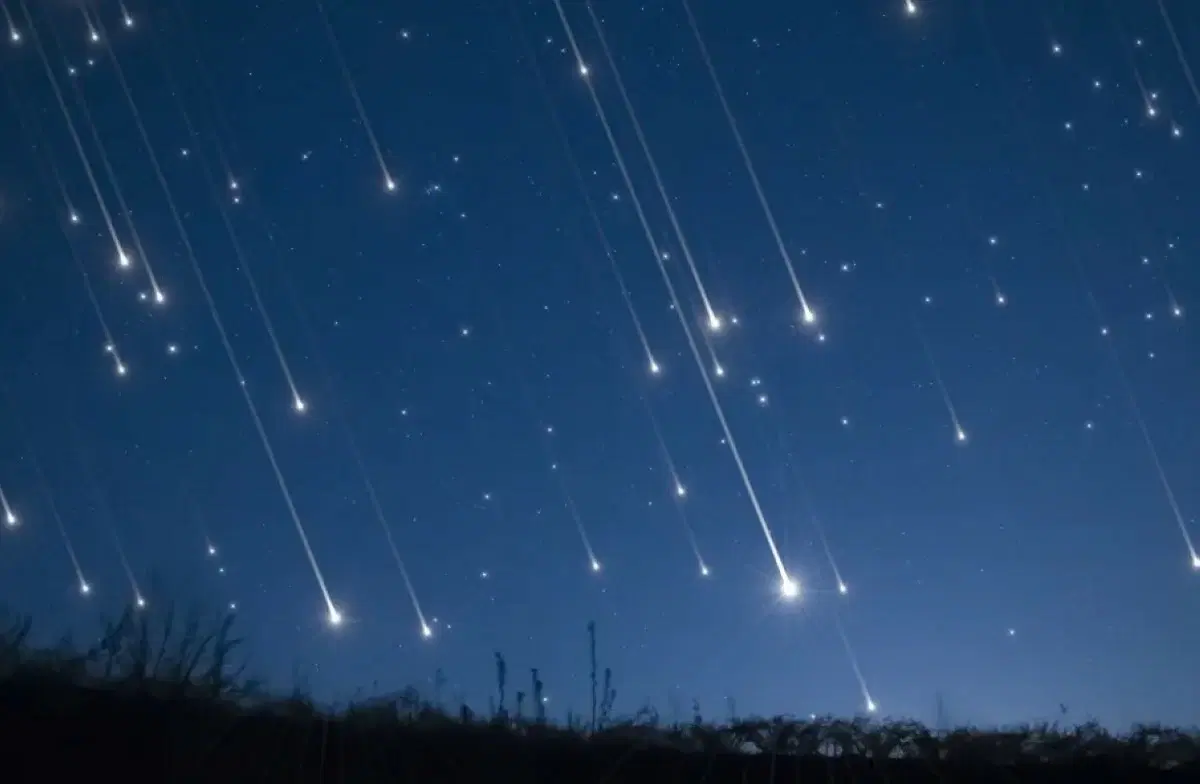
He explained that the Pleiades cluster, scientifically known as "Pleiades," is located within the constellation Taurus and is about 440 light-years away from Earth, while the angular distance between it and the Moon is about one degree, with the Moon's illumination reaching approximately 95%, which may limit the visibility of the faint stars in the cluster.
He added that the second phenomenon is related to the entry of the Spica star, known astronomically as "Spica," which is the brightest star in the constellation Virgo, noting that its appearance over Amman on Thursday morning, about 50 minutes before sunrise, makes it difficult to observe with the naked eye due to its apparent proximity to the Sun and the twilight illumination.
Al-Taani emphasized that the association of the "Wasm" season with the anticipation of rain and the renewal of pastures reflects inherited experiences in observing seasons and environmental changes, as Bedouin communities historically relied on the rising of stars and the movement of the Moon as temporal markers to organize their agricultural and pastoral activities.
He stressed the need to distinguish between the heritage value of this knowledge and proving causal relationships scientifically, explaining that science does not establish a causal link between the conjunction of the Moon with the Pleiades or the entry of the Spica star and rainfall.
He indicated that rain forms as a result of atmospheric factors including moisture transport, air ascent, cooling, and condensation, in addition to the development of weather depressions and the movement of air masses, and in Jordan, it is influenced by topography, wind direction, and moisture sources.
He pointed out that the coincidence of an astronomical date with a period during which the chances of rainfall increase does not mean that the astronomical phenomenon caused it; rather, it may be related to the seasonal succession of climate patterns, confirming that the entry of the "Wasm" according to the popular calendar does not guarantee rainfall.
Al-Taani pointed to the importance of documenting Jordanian astronomical heritage by collecting narratives, proverbs, and seasonal names, and comparing them with astronomical calculations, rainfall records, temperatures, and plant growth, which contributes to preserving inherited knowledge and studying the extent to which some of its signs align with measurable climate patterns.