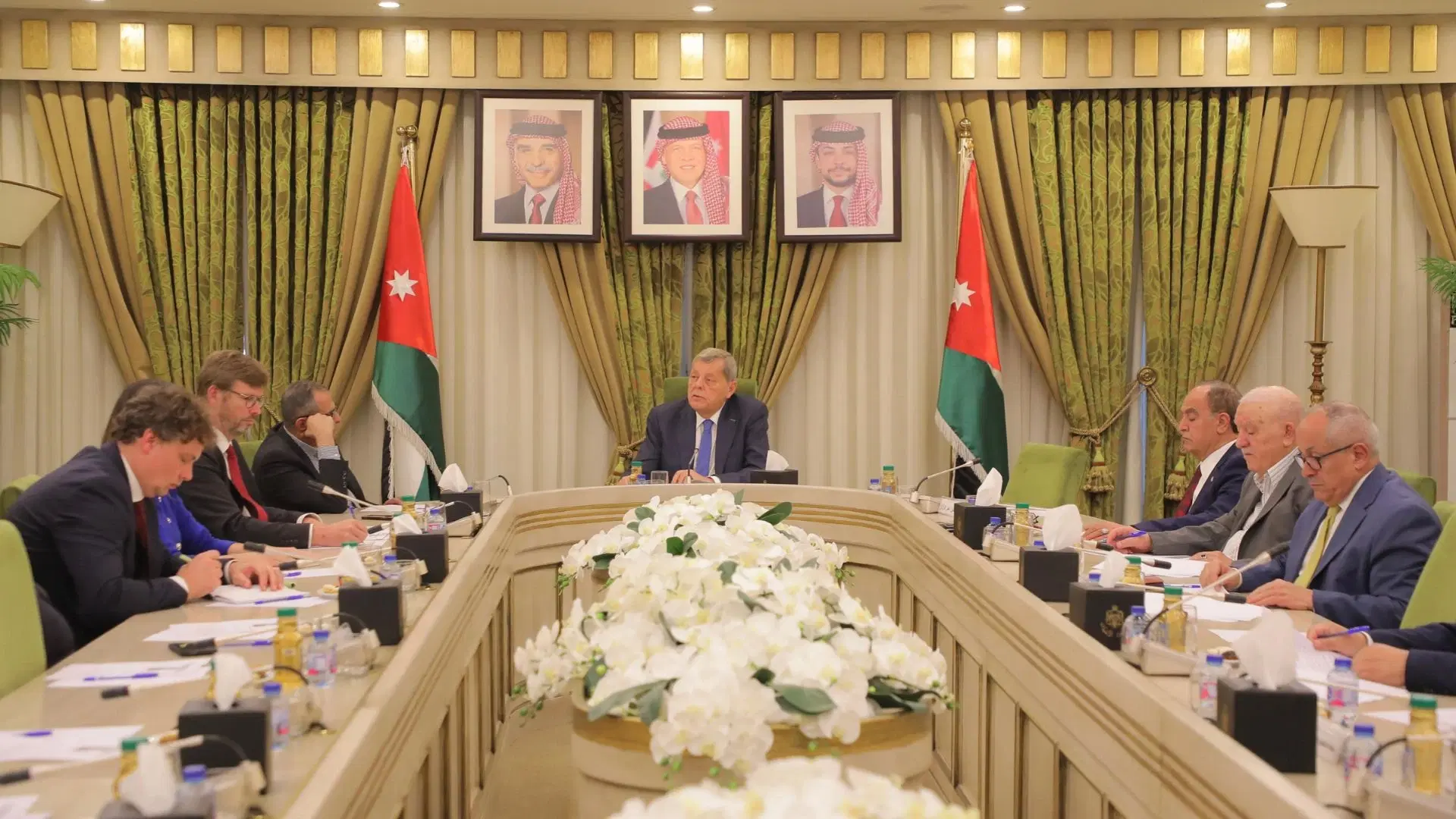
He called for a focus on job opportunities and hotel investment by stimulating tourism investments, reducing operating costs, and strengthening public-private partnerships. He pointed out the importance of developing Aqaba as a tourism and investment gateway for Jordan by coordinating efforts and linking it with Petra, Wadi Rum, and the Dead Sea, in addition to developing the tourism experience in Wadi Musa, diversifying tourism activities and trails, and extending the length of visitors' stays to enhance the competitiveness of Jordanian tourism destinations.
He stressed the importance of enhancing the status of the Baptism Site and Christian pilgrimage routes in preparation for 2030 by preparing international marketing programs in cooperation with religious and tourism authorities. He emphasized the necessity of protecting heritage and linking it to local development to allow communities surrounding archaeological sites to benefit from job opportunities and small projects, while maintaining the authenticity and sustainability of the sites.
In turn, Hijazeen emphasized the importance of diversifying target tourism markets, noting that Arab tourism, including Saudi tourism and Jordanian expatriates, constitutes a major share of the total inbound tourism to the Kingdom, in addition to European, American, and Asian markets.
He explained that the sector is witnessing signs of improvement in visitor numbers with the gradual return of some airlines, confirming the continuation of efforts to strengthen Jordan's position on the global tourism map and market the Kingdom as an integrated and independent tourism destination that enjoys a diversity of tourism products and sites.
He pointed out that the ministry is working in cooperation with the Economic and Social Council to prepare an in-depth study on the reality of tourism investment in the Kingdom, which contributes to directing investments and distributing incentives according to the needs and tourism potential of the governorates, and enhancing job opportunities and local development. Hijazeen pointed to the importance of integration between the various concerned parties and the private sector, strengthening cooperation between Aqaba and Petra within an integrated national tourism system, working to revive the Golden Triangle tourism project, and developing joint tourism programs to enhance Jordan's tourism attractiveness and support the sustainability of the sector and expand its contribution to the national economy.
For his part, Al-Nabulsi pointed to the recording of positive indicators regarding the return of international tourism to Wadi Rum, with a diversity of arriving nationalities. He explained that Aqaba has witnessed an improvement in the average length of stay for tourists, rising from 1.9 to 2.2 nights, as a result of efforts to diversify tourism activities and events, enhance the attraction of visitors from neighboring markets, and benefit from Aqaba's strategic location and its land, sea, and air ports.
He noted that the Aqaba Authority attaches great importance to qualifying youth and developing their skills in a way that suits the needs of the tourism labor market, indicating that training programs have included about 1,120 young men and women in various specialties, in addition to monitoring available job opportunities and promising professions in the fields of hospitality, e-tourism, marketing, booking management, water rescue, ecotourism, and adventure tourism.
He added that work is underway to develop an integrated tourism product that links Aqaba, Petra, and Wadi Rum within the Golden Triangle project, which enhances the Kingdom's attractiveness as an integrated tourism destination and contributes to extending the length of visitors' stays and increasing tourism spending.