Saudi Arabia: Protecting International Navigation is a Shared Responsibility and We Reject the Use of Waterways for Blackmail
Agencies2 min read
Share
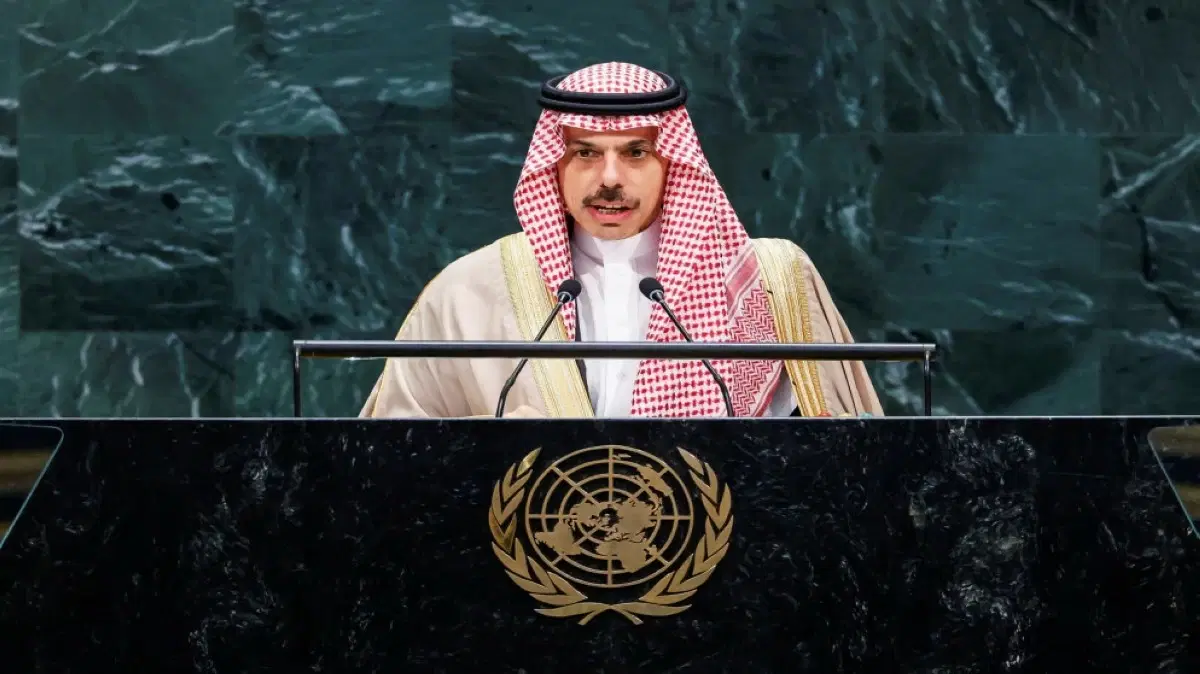
Saudi Foreign Minister Prince Faisal bin Farhan said on Saturday that the world is witnessing unprecedented challenges, which require "the greatest amount of wisdom, responsibility, and cooperation," affirming the continuation of work with partners to enhance peaceful solutions.
Bin Farhan emphasized, in a speech during the 81st session of the United Nations General Assembly, the necessity of protecting international navigation, affirming that the Kingdom rejects the use of waterways as a tool for blackmail or imposing fees on maritime navigation.
He said that protecting international navigation is a shared responsibility, noting that the Kingdom has contributed to the stability of regional and international trade.
He affirmed Saudi Arabia's commitment to global energy security, pointing out that the East-West pipeline has helped reduce energy supply disruptions, and that ensuring the stability of energy supplies is a shared responsibility that requires international cooperation.
On the Palestinian issue, Bin Farhan said that the continued suffering of the Palestinians and the obstruction of aid access represent a violation of international law, affirming the Kingdom's rejection of all attempts to displace the Palestinian people.
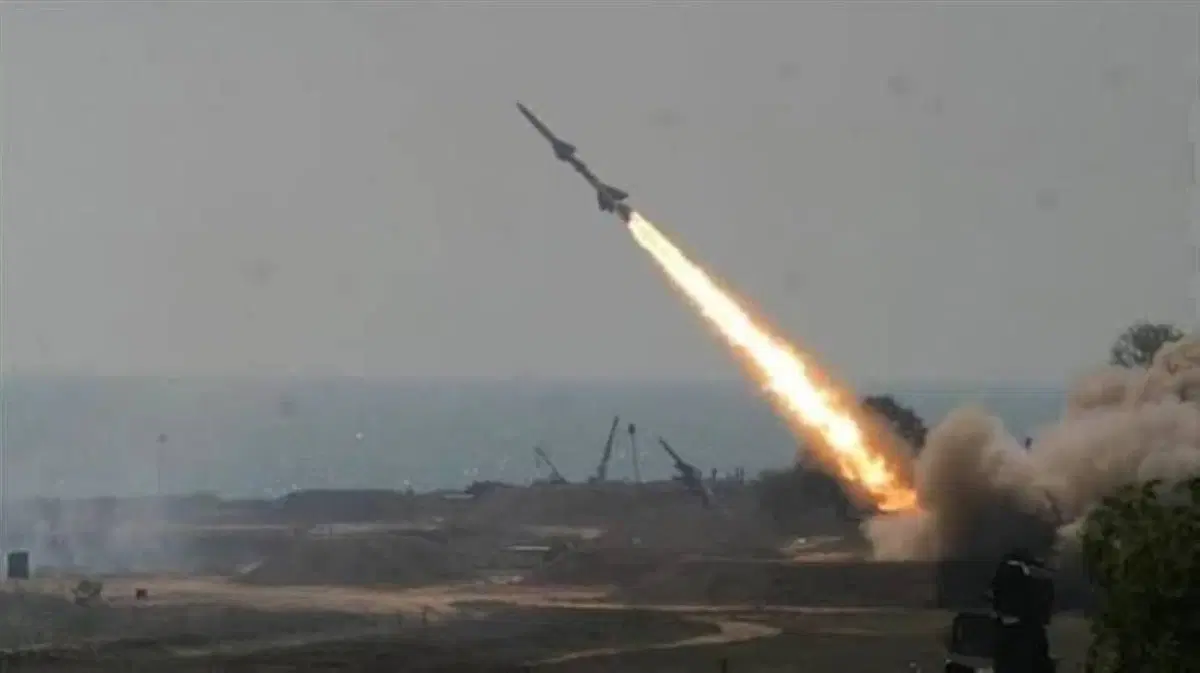
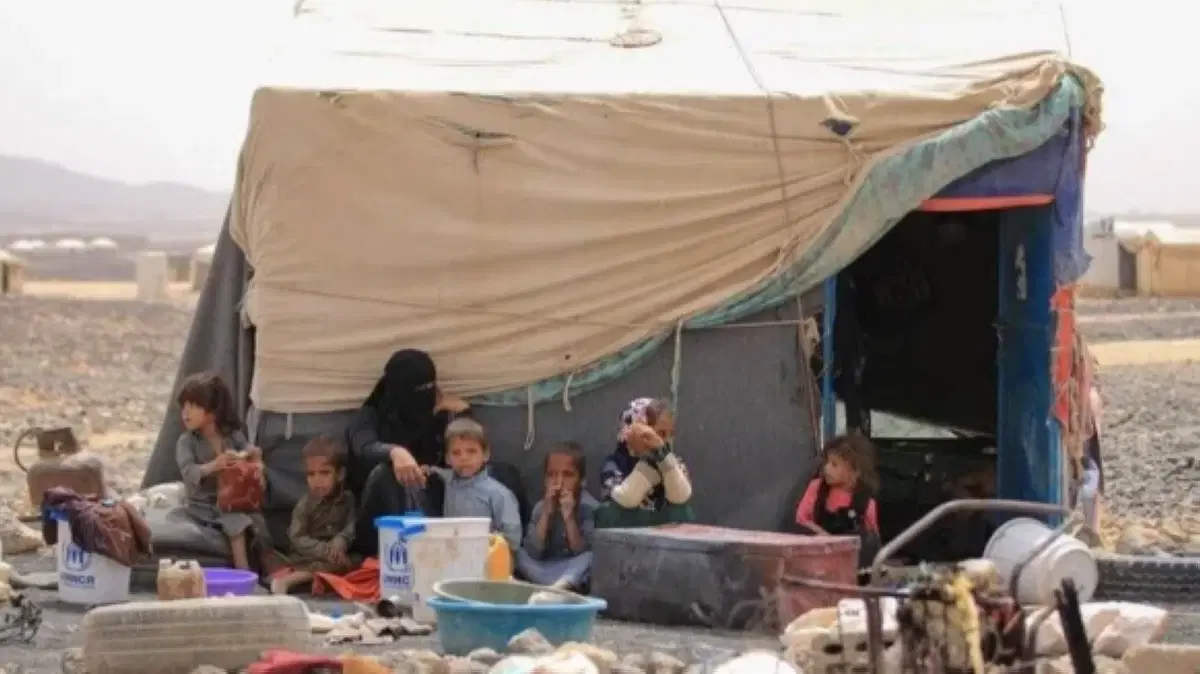
He called on the international community to reject the practices of the Houthi militia, condemning their attacks and threats to security, affirming the necessity of stability in Yemen and the protection of civilians.
On the Syrian issue, the Saudi Foreign Minister said that the Kingdom rejects any violations that undermine Syria's stability, welcoming the announcement of the cancellation of Syria's designation as a state sponsor of terrorism.
Regarding Iraq, he affirmed the Kingdom's support for the Iraqi government in the file of confiscating weapons in the hands of the state, while stressing that the solution in Sudan must respect the sovereignty of state institutions.
Bin Farhan emphasized that any arrangements for regional security must be comprehensive and address sources of threat, stressing the need for the region to be free of weapons of mass destruction, and rejecting the policy of dominance and imposing influence.
He also affirmed Saudi support for Qatari and Pakistani efforts to de-escalate, pointing to attacks on the Kingdom and regional countries by Iran, and reiterating the need to adhere to the United Nations Charter. His statements come amid escalating international concerns about navigation security in the region and threats to trade and energy movements.