Royal Visit to China Opens New Horizons for Investment and Trade
45 Chinese Companies on the Jordanian Investment Map
Amman7 min read
Share
Minister of Industry, Trade and Supply, Engineer Yarob Al-Qudah, said that the royal visit to the People's Republic of China constituted an important economic and investment station to strengthen the strategic partnership between the two countries, and open new horizons for commercial, industrial and tourism cooperation, within the Kingdom's approach to diversify markets and sources of foreign investment.
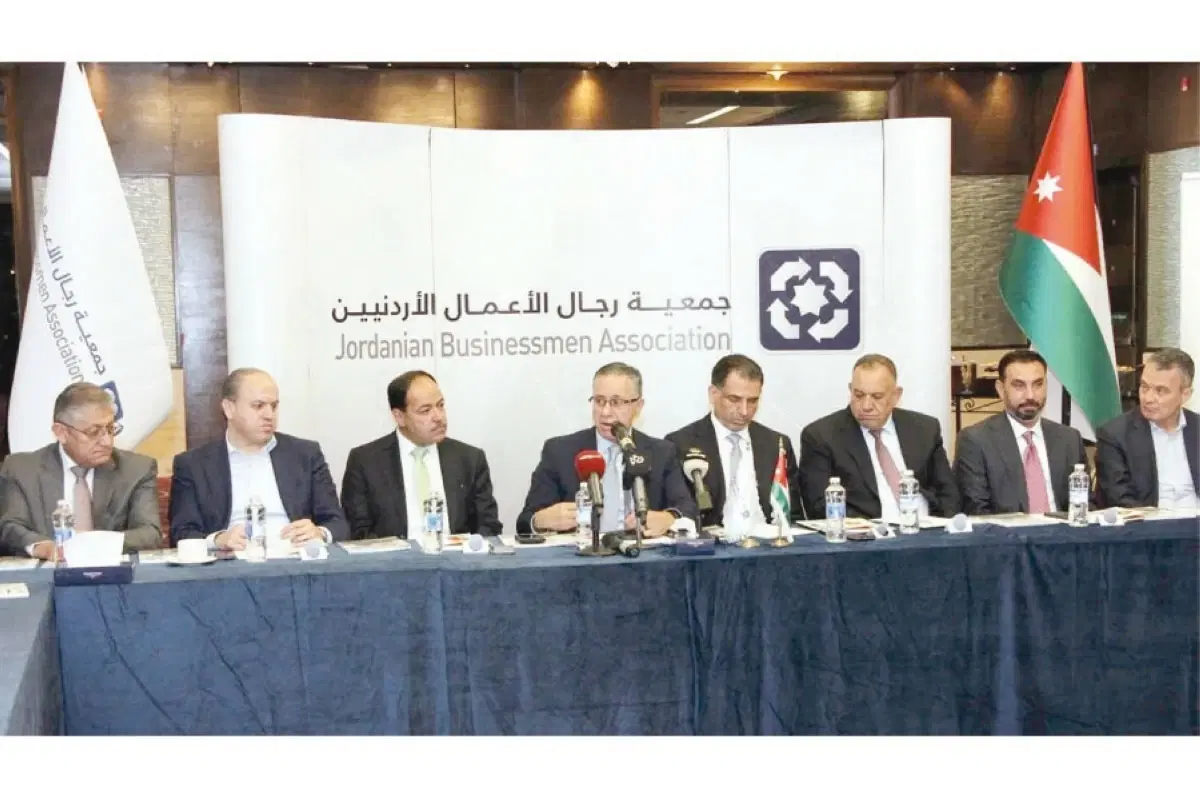
Al-Qudah confirmed, during the regular morning business meeting organized by the Jordanian Businessmen Association, last Monday, that the government has started implementing a plan to follow up on the outcomes of the visit, in conjunction with working on a package of major projects estimated to be worth about $10 billion, expected to be implemented over the next three to four years in partnership with the private sector.
He pointed to a rise in total exports during the first half of the current year by more than 14%, after growth exceeding 11.5% during 2025, while national exports increased by 6.2%. More than 12 industrial sectors recorded growth, and re-exports increased by 44%, reflecting the enhancement of Jordan's position as a regional logistics center.
Increased Activity in Aqaba
Al-Qudah said that the volume of container handling at Aqaba Port increased by more than 5% until September of the current year compared to the same period last year, while the occupancy rate in container and gas and oil facilities reached about 120%.
He pointed to measures taken to reduce transportation costs, including not reflecting all increases in diesel prices on the local market, and allowing, for the first time in about 30 years, a truck to carry two containers instead of one, which contributes to reducing transportation costs between Aqaba and Amman, in addition to increasing the number of trips allowed for trucks in some months.
The government also allowed foreign trucks, including Saudi and Emirati ones, to reach Aqaba Port and load goods within specific arrangements, with the aim of increasing transportation efficiency and reducing logistical costs.
Diversifying Markets and Products
Al-Qudah confirmed that the government is working to diversify export products and markets, pointing to a clear change in the composition of Jordanian exports.
He explained that the clothing sector accounted for nearly 95% of national exports to the United States about 12 years ago, while its share decreased in 2025 to about 49%, compared to 51% for other sectors. The value of Jordanian exports to the American market increased from about half a billion to more than $3.2 billion.
In the European market, Jordanian exports increased to about $800 million in 2025, compared to about $250 million four or five years ago, and increased by more than 35% during the first half of the current year.
$10 Billion for Major Projects
Al-Qudah said that the government is counting on a package of major projects over the next three to four years, with an investment volume estimated at about $10 billion, including the national water carrier, gas projects, the Umrah City, the railway link from the north of the Kingdom to the south and Aqaba Port, and road and infrastructure projects.
He revealed a tendency to issue a tender before the end of the year to establish a gas pipeline to transport gas from the Al-Reesha field to areas of the Kingdom, as part of a plan to reach a gas self-sufficiency rate of nearly 80% by the end of 2030.
He confirmed that the major projects will affect the transport, contracting, consulting, iron, concrete, paint, and construction materials industries, making them a driver for a wide range of economic activities.
35% Local Component
Al-Qudah said that the government's strategy for major projects requires that the local component in them should not be less than 35%, to ensure that investment spending reflects on the national economy and create opportunities for Jordanian factories, contractors, and service providers.
He explained that the requirement of the local component in the national water carrier project contributed to pushing towards the establishment of a factory for the pipes needed for the project, confirming that the goal is to expand the impact of the projects to include various sectors of the national economy.
Trade with the United States
Regarding trade with the United States, Al-Qudah explained that Jordan continued negotiations with the American side in light of the changes that the US trade policy witnessed, confirming that the Jordanian-American Free Trade Agreement remains in place and forms the basis of the new arrangements.
He pointed out that Jordan obtained an additional tariff of 10%, while a number of Jordanian products maintained zero treatment, primarily the clothing and knitwear sector, in addition to some pharmaceutical, potash, and phosphate products.
He stressed that maintaining the competitiveness of the clothing sector is important for exports and employment, as the sector provides about 30,000 job opportunities for Jordanians, a significant proportion of which is concentrated in the provinces and outskirts outside the capital.
45 Major Chinese Companies
Regarding the royal visit to China, Al-Qudah confirmed that it carried great economic and investment importance, pointing out that the visit program extended for eight days and included Shanghai, Shenzhen, and Beijing, and included meetings with more than 45 major Chinese companies, in addition to three business forums attended by His Majesty the King.
He explained that the meetings focused on attracting Chinese investments to the Kingdom and opening new opportunities for Jordanian exports, especially in the industry, automobiles, pharmaceuticals, biotechnology, information technology, energy, infrastructure, and tourism.
Direct Line to China in November
Al-Qudah said that tourism formed a main axis in the discussions, considering China one of the largest tourist-exporting markets globally, explaining that the government took measures to facilitate attracting the Chinese tourist, including providing promotional content in Chinese, increasing the number of staff who speak it, and preparing the necessary infrastructure for using Chinese electronic payment systems.
He revealed a tendency to operate a direct line for the Royal Jordanian to China in November next, starting with one Chinese city, to expand at the beginning of next year to include another city.
Private Sector as a Main Partner
Al-Qudah confirmed that the government's role is to open markets, sign agreements, and prepare the regulatory and investment environment, while the private sector bears the greatest role in investing opportunities and converting them into exports, investments, and productive projects.
He said that the investor does not make his decision based on government invitations alone, but looks at the readiness of the private sector, the ease of doing business, the availability of local partners, and the opportunities that can be implemented.
Alternatives to Supply Chains
In the face of regional developments, Al-Qudah confirmed that the government has taken measures to mitigate their impact on the economy and ensure the continuity of supply and provision chains, including allowing the transport of containers by land outside Aqaba Port within new arrangements that will continue until the end of the year.
For his part, the President of the Jordanian Businessmen Association, Ayman Al-Oloan, said that the royal visit to China gained special importance in light of its status as one of the most prominent economic, industrial, and technological powers in the world, and the opportunities it provides for expanding cooperation in investment, industry, energy, technology, transport, and logistics services.
He added that the visit represents an opportunity to attract Chinese investments, encourage the establishment of joint industrial projects, and benefit from Chinese expertise and technology, which contributes to developing the national industry and increasing the added value of Jordanian products.
He stressed the importance of benefiting from Jordan's location and trade agreements to enhance its role as a regional platform for production and export, calling for moving the Jordanian-Chinese economic relations to a more advanced stage based on investment, technology transfer, joint manufacturing, and knowledge exchange, in addition to increasing the volume of trade between the two countries.