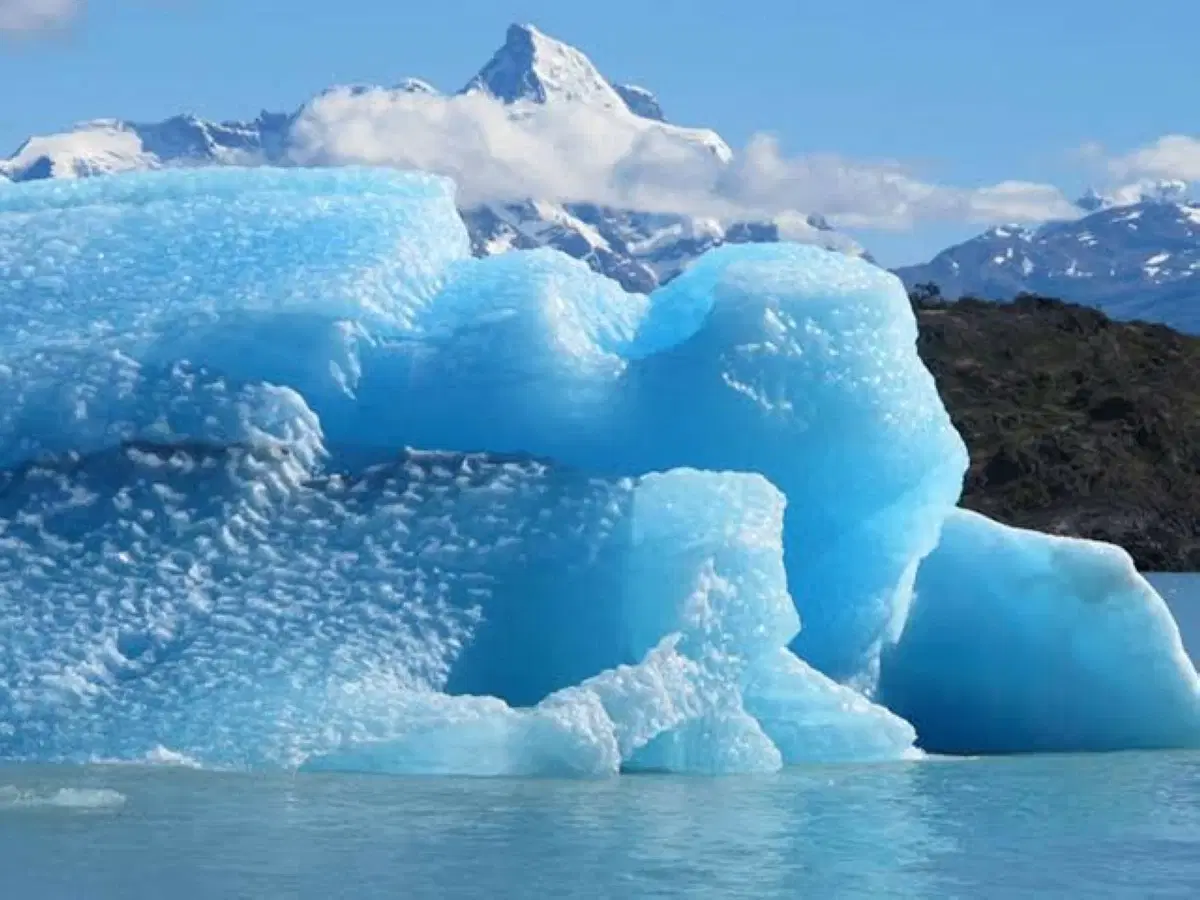
Joseph Mallalieu, a researcher at the university, explained that glaciers ending in lakes appear more susceptible to melting, noting that the causes of this phenomenon remain not fully clear and may be linked to changes in lake characteristics, the shape and structure of the glaciers, or an interaction of these factors together.
The researchers reached these results after analyzing satellite imagery and scientific data for about 216,000 glaciers around the world, with the aim of measuring the changes that occurred in their area, volume, and mass over the past decade.
The study showed that coastal glaciers lost about 134 billion tons of ice, compared to about 101 billion tons for land-based glaciers, even though the three coastal types represent only a small fraction of the total ice mass. Researchers suggest that the speed of these glaciers, which is about 44% faster than their land-based counterparts, contributes to accelerating ice loss and its transfer into seas and lakes.
The most affected regions included the Russian Arctic, Iceland, Scandinavian countries, and parts of the southern Andes, which collectively recorded more than half of the total coastal ice loss.
The researchers warned that continued rising temperatures could increase the severity of this phenomenon, especially if warming leads to the formation of more lakes near glaciers, which could accelerate their melting and affect the global ice balance.