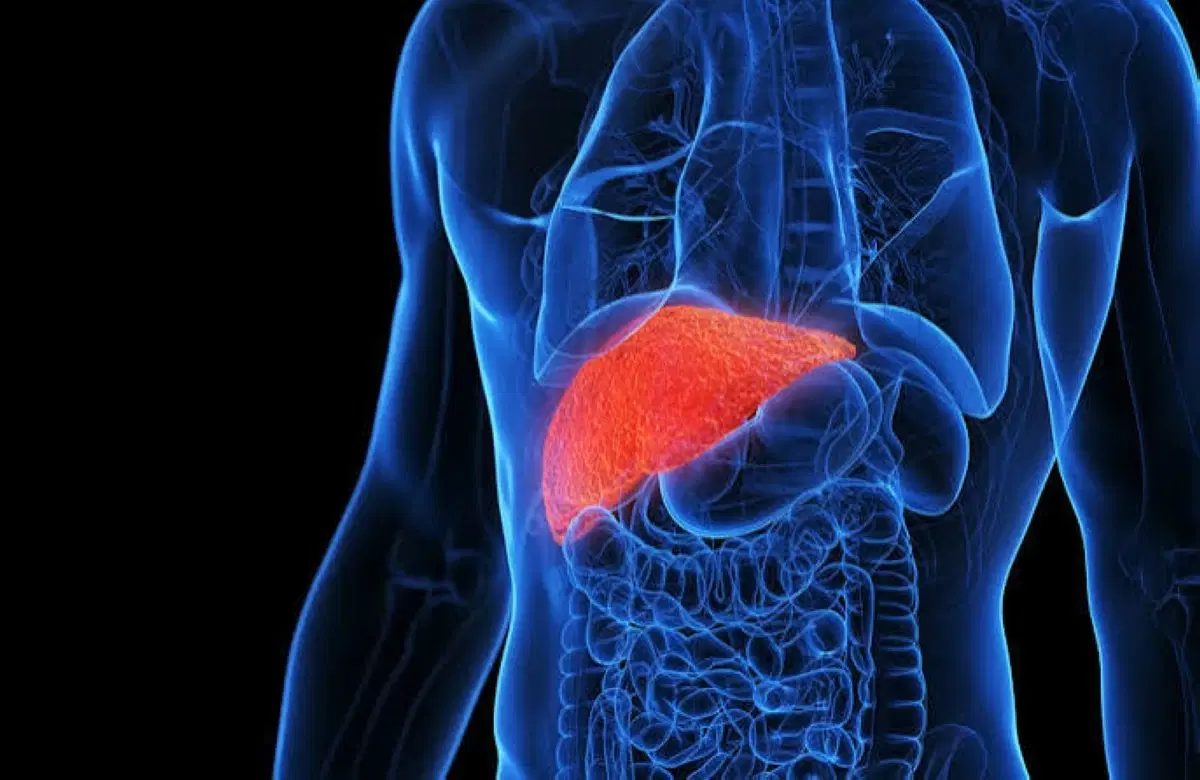
Scientists from the Russian Petrovsky National Research Center of Surgery have developed two new indicators to assess liver aging and measure its regenerative capacity, a step that may open new horizons for understanding the changes that affect this organ with advancing age.
Experiments conducted on laboratory animals showed that continuous exposure to light, which disrupts the body's natural biological rhythms, accelerates the appearance of aging signs in the liver and weakens its ability to regenerate, according to the Russian TASS agency.
The liver possesses a natural ability to repair tissues and regenerate cells after injury, but this ability gradually declines with age. The new indicators developed by the researchers help monitor aging-related changes in liver cells and evaluate their regenerative efficiency.
Melatonin enhances the liver's ability to regenerate
The experiments revealed that animals that received the hormone melatonin recorded indicators of liver regenerative capacity about six times higher compared to animals that were exposed to constant light without receiving the hormone.
The body produces melatonin naturally during the night, and it plays an important role in regulating the circadian rhythm. The results indicate a possible link between the disruption of the light-dark cycle and accelerated liver aging, and also open the door to studying the potential protective role of melatonin.
Researchers believe that the new indicators may be used in the future to study the mechanisms of liver aging and to search for ways to maintain its regenerative capacity.