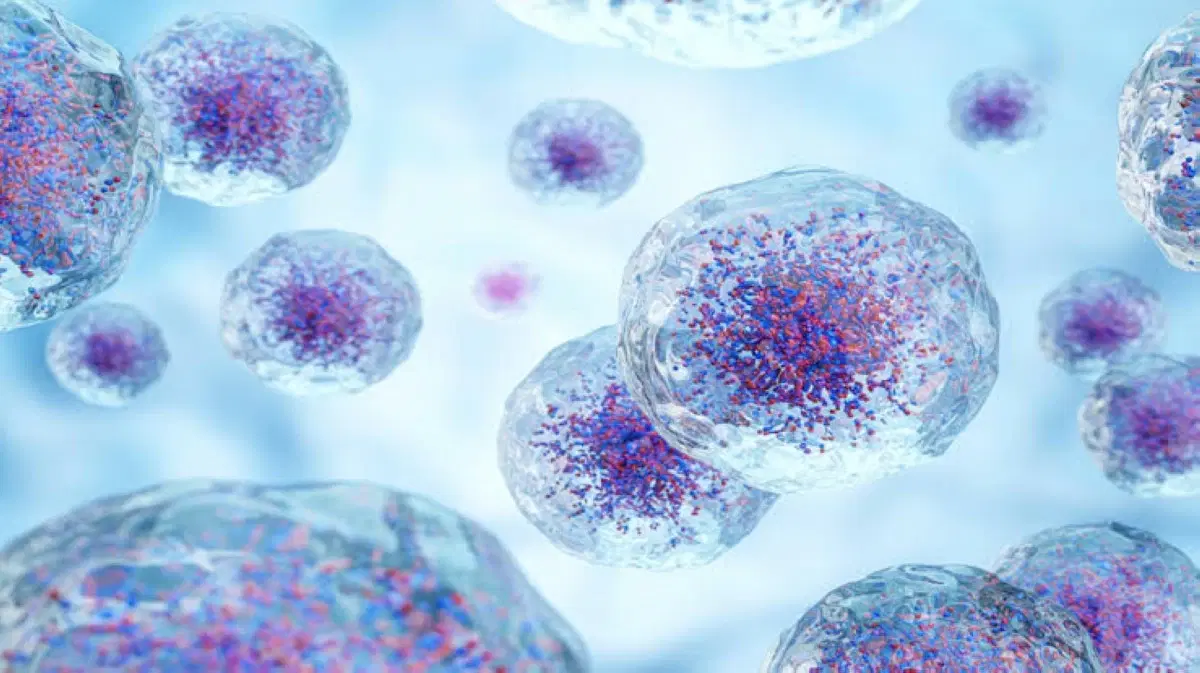
Researchers from the University of Bonn and the University Hospital in Germany have achieved a scientific breakthrough in aging research, after successfully reprogramming human cells taken from an 80-year-old donor into neural stem cells with a molecular age of less than 20 years.
The scientific team reprogrammed red blood cell precursors into neural stem cells, bypassing the pluripotent stem cell stage, which allowed them to monitor the changes associated with the rejuvenation process gradually over more than 100 days.
The researchers relied on measuring epigenetic changes in DNA, which are markers that help determine the biological age of cells without altering their genetic sequence. The results showed that the reprogrammed cells acquired molecular characteristics similar to those found in young cells.
The researchers believe that this technique may provide a deeper understanding of the molecular mechanisms responsible for aging, and could also provide a laboratory model for studying the factors that control the rate at which cells age.
Scientists hope that these results will contribute in the future to identifying substances capable of regulating cellular rejuvenation processes, which may help in developing research targeting neurodegenerative diseases, such as Alzheimer's, which is associated with an increased risk as one ages.
These results are still within the scope of laboratory research and do not yet mean that a treatment capable of rejuvenating human body cells or reversing human aging has been found.