Researchers also recorded a decline in visceral fat surrounding internal organs amounting to about 290 cubic centimeters, in addition to improved indicators for controlling blood sugar levels.
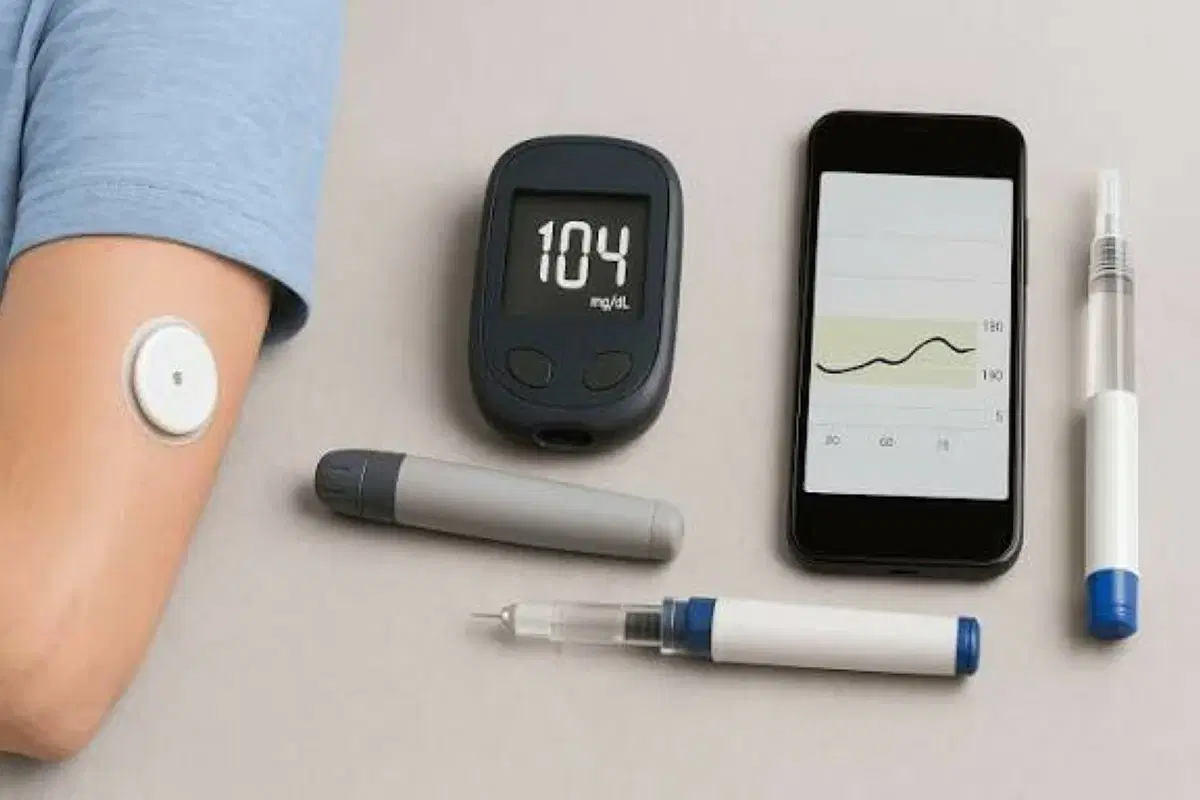
Glycated hemoglobin (HbA1c), which reflects average blood sugar levels over previous months, decreased by one percentage point. Likewise, the body's insulin sensitivity and the function of beta cells in the pancreas responsible for producing it improved.
The results also included a decrease in total cholesterol and low-density lipoprotein (LDL) cholesterol levels, as well as a decline in the accumulation of "advanced glycation end-products" (AGEs), which are linked to tissue damage and insulin resistance.
What does the diet include?
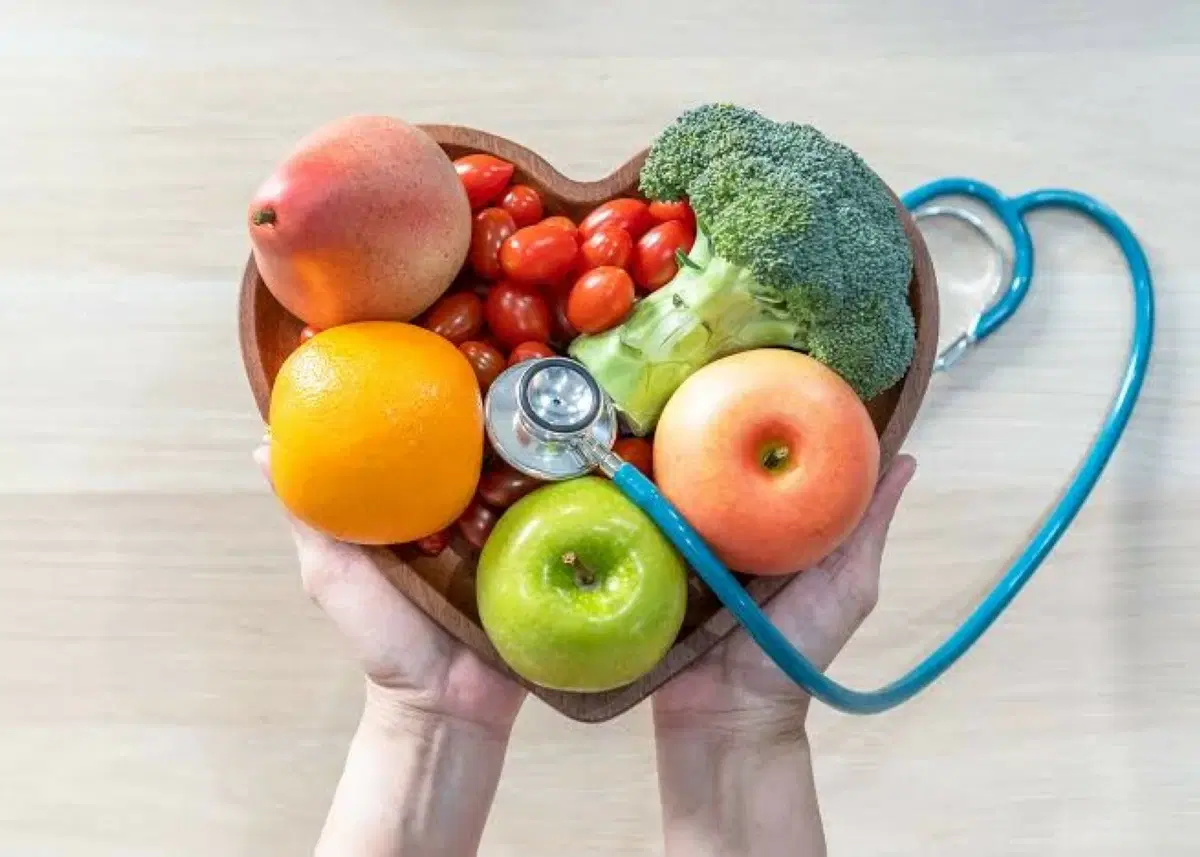
The diet followed by participants relied on low-fat plant-based foods, allowing eating until fullness, without imposing a daily calorie limit or obligating participants to weigh food portions.
Its main components included vegetables, fruits, whole grains, and legumes, while calories were distributed as follows:
75% carbohydrates.
15% protein.
10% fat.
Food quality instead of calorie counting
Dr. Hana Kahleova, the lead author of the study and director of clinical research at the Physicians Committee for Responsible Medicine, said that the results indicate that focusing on healthy plant-based foods may help reduce liver fat, improve pancreatic function, and enhance the body's response to insulin, without the need to count calories or precisely determine food quantities.
The results highlight the importance of food quality in managing type 2 diabetes and limiting liver fat accumulation, while noting that the results recorded during the study do not necessarily mean achieving the exact same benefits for all people.
Note: Diabetes medications should not be changed or stopped when following a new diet without consulting a doctor, and it is also advisable to ensure nutritional needs are met, especially vitamin B12, when following a vegan diet.