Palestinian Foreign Ministry: Attack on diplomats is evidence of organized settler terrorism
Agencies5 min read
Share
Palestine described the assault by Israeli settlers on a European diplomatic delegation, church leaders, and citizens in the vicinity of Taybeh town in the occupied West Bank as further evidence of the escalation of "organized settler terrorism," calling for urgent international action to protect the Palestinian people.
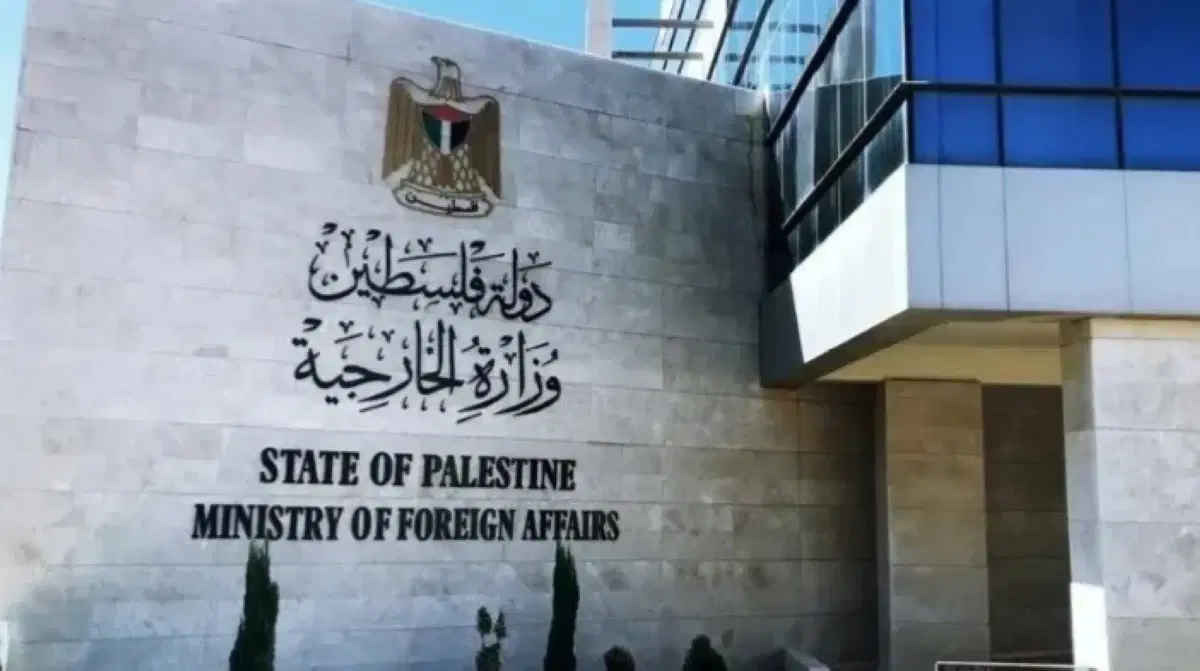
In a statement released on Saturday, the Palestinian Ministry of Foreign Affairs condemned "in the strongest terms the terrorist attack carried out by a group of Israeli settlers in the vicinity of Taybeh town, east of Ramallah (central)."
It explained that the group of settlers intercepted diplomats while they were performing their duties, including the consuls of France and Belgium, the representative of Poland, other diplomats, and representatives of the Catholic Church, noting that the assault included an attack on a French mayor and damage to a Belgian vehicle.
The Palestinian Foreign Ministry affirmed that "this criminal assault constitutes further evidence of the escalation of organized settler terrorism, which targets our people, their land, and their property, and does not exclude international solidarity activists, diplomats, journalists, and clergy, in an attempt to intimidate them and prevent them from performing their duties and conveying the truth about the Israeli crimes and violations committed against the Palestinian people."
It stated that the attack reflects the widening scope of this terrorism in light of the protection provided by the Israeli government to settlers, and the continued policy of impunity that encourages them to continue and escalate their attacks.
The Palestinian Foreign Ministry held the Israeli government, "as the occupying power, fully responsible for these attacks and their repercussions."
It demanded "an end to settler terrorism, ensuring the protection of Palestinian civilians and the safety of diplomats, journalists, clergy, and international solidarity activists, and holding the perpetrators and those behind them accountable."
It considered that "mere condemnation is no longer sufficient, and that the continued absence of international accountability sends a message of encouragement to commit more crimes."
The Palestinian Foreign Ministry expressed its full solidarity with all those who were attacked, and valued the Belgian position rejecting settlements, settler terrorism, and forced displacement, as well as Brussels' support for imposing European sanctions on those responsible for these attacks and their supporters.
It praised the positions of the European Union, its member states, Britain, and other countries "that condemned these crimes and took steps to confront them."
The Palestinian Foreign Ministry called on these parties to "translate their positions into practical and deterrent measures, including holding the settlers involved in the violence accountable and questioning the entities that provide them with protection and support."
It stressed that "settler terrorism is not isolated incidents, but is directly linked to the colonial settlement system and policies of land seizure and displacement of Palestinian citizens, in violation of international law and international legitimacy resolutions."
It said that confronting this terrorism "requires urgent and effective international action to provide international protection for our people, stop settlement and forced displacement, end the Israeli occupation, and ensure the Palestinian people's right to freedom, dignity, and self-determination."
Video clips circulated by Israeli media showed settlers, some masked, carrying sticks and stones and threatening the passengers of the delegation's vehicles, while the glass of one of the vehicles appeared shattered.
Earlier on Saturday, Palestinian Vice President Hussein al-Sheikh condemned, in a post on the American "X" platform, "the attack on foreign diplomats by settler terrorist gangs in the strongest terms."
He added: "This is a microcosm of the scale of daily terrorism that our Palestinian people are subjected to, and it requires a firm international stance that imposes international protection for the Palestinian people."
Prior to that, Israeli Army Radio reported that 7 masked settlers arrived at the site in off-road vehicles, surrounded a diplomatic vehicle, and demanded that its passengers show their IDs, before smashing the glass of a vehicle belonging to the Belgian consulate.
The radio said that one of the delegation's escorts sent, about two minutes after the attack began, a message containing the geographical location and documentation of what was happening to the military operations room of the Israeli brigade responsible for the area.
It added that 3 hours passed without any Israeli army or police forces arriving to assist the delegation members or take their statements and collect evidence, noting that the diplomats "fled the village after realizing that no one would come to help them."
In his comment on the incident, the Israeli army described the attack as a "serious violent incident," and said that diplomatic representatives were attacked by Israelis it described as "rioters."
The army claimed that the consular delegation's tour was not coordinated with it in advance, and that a preliminary investigation showed that there were no military forces at the site of the attack when it occurred.
Attacks by Israeli settlers on Palestinians and their lands are escalating during the olive harvest season, which began at the beginning of this October and constitutes a primary source of livelihood for thousands of Palestinian families.
In this regard, the Palestinian Wall and Settlement Resistance Commission reported that it monitored on Saturday "40 incidents of assault and violation carried out by the occupation forces and colonists against farmers, lands, crops, and entities supporting the olive season."
Official Palestinian data indicate the presence of about 750,000 Israeli settlers in the West Bank, including occupied East Jerusalem, distributed across 194 settlements and about 400 settlement outposts.