On Teacher's Day... More than 146,000 teachers work in Jordan's schools
Amman5 min read
Share
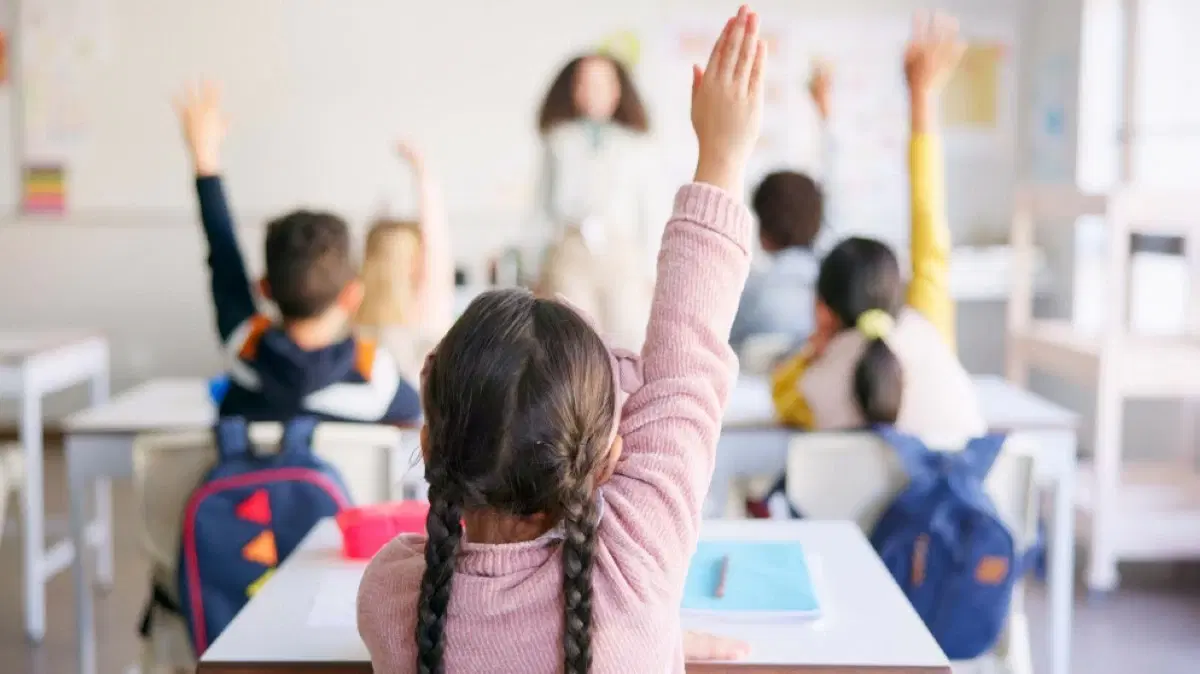
Jordan and the world celebrate World Teachers' Day on Monday, an occasion that highlights the role of teachers in building human beings and shaping generations, and their place in developing education and keeping pace with the transformations in the sector.
This year's occasion comes on the 60th anniversary of the adoption of the International Recommendation on the Status of Teachers in 1966, at a time when education is undergoing rapid transformations, foremost of which is technological development and the transition to new learning patterns, which require educational systems to develop teachers' skills, enhance their status, and provide an environment that enables them to perform their roles efficiently.
The world celebrates Teachers' Day on October 5th every year since 1994, in commemoration of the adoption of the International Recommendation on the Status of Teachers in 1966.
Globally, education faces an expected gap of about 44 million additional teachers in primary and secondary education by 2030, according to UNESCO, to ensure the availability of education for all, a challenge that is not only related to numbers, but also extends to the qualification of teachers, the development of their skills, and the improvement of their working conditions.
146,000 teachers in Jordan
Locally, the number of teachers in various schools in the Kingdom is about 146,000, with the Ministry of Education accounting for about 66% of the total number of teachers, compared to 29.2% in the private sector, and the remaining percentage is distributed among "UNRWA" schools and other schools, including military schools.
Female teachers constitute about 69.5% of the total number of teachers working in all schools, and the percentage rises to about 89.2% in private schools.
The Ministry of Education is working to develop the educational and legislative environment that supports the status of the teacher and raises their academic and professional competence, in line with the objectives of educational modernization and the vision of economic modernization.
Educational experts said that the teacher represents a basic pillar in the educational process, and their role is no longer limited to the transfer of knowledge, but has extended to guidance, education, building the student's personality, and enhancing values and belonging, in addition to developing critical thinking skills, creativity, and problem-solving.
They pointed out that the rapid transformations in the education sector, especially technological development and digital education, require the continuous development of teachers' skills and their professional and scientific qualification, and enabling them to employ technology and modern teaching methods in a way that suits the needs of students.
The experts emphasized the importance of providing a school environment that supports teachers, enhancing partnership between educational administrations, teachers, parents, and the local community, in addition to enhancing the status of the teacher and confidence in their role, which contributes to improving the quality of education and enabling schools to perform their mission more effectively.
Professional Training and Development
Providing sufficient numbers of teachers does not, in itself, guarantee the quality of education, as it requires continuous training, support, and professional development, which reflects on the performance of teachers and students, according to a previous report by the Jordanian Strategies Forum.
In this context, educational experts pointed out that scientific and technological development has made the employment of information and communication technology an essential part of the learning process, which requires training teachers on the use of electronic devices and tools in schools, and continuing to develop their knowledge and teaching methods.
They also believe that the development of education requires the professional and scientific empowerment of the teacher, the enhancement of their status, and the provision of an educational environment that encourages innovation and excellence, considering them a fundamental pillar in building human beings and maintaining community awareness.
Policies to Support Teachers
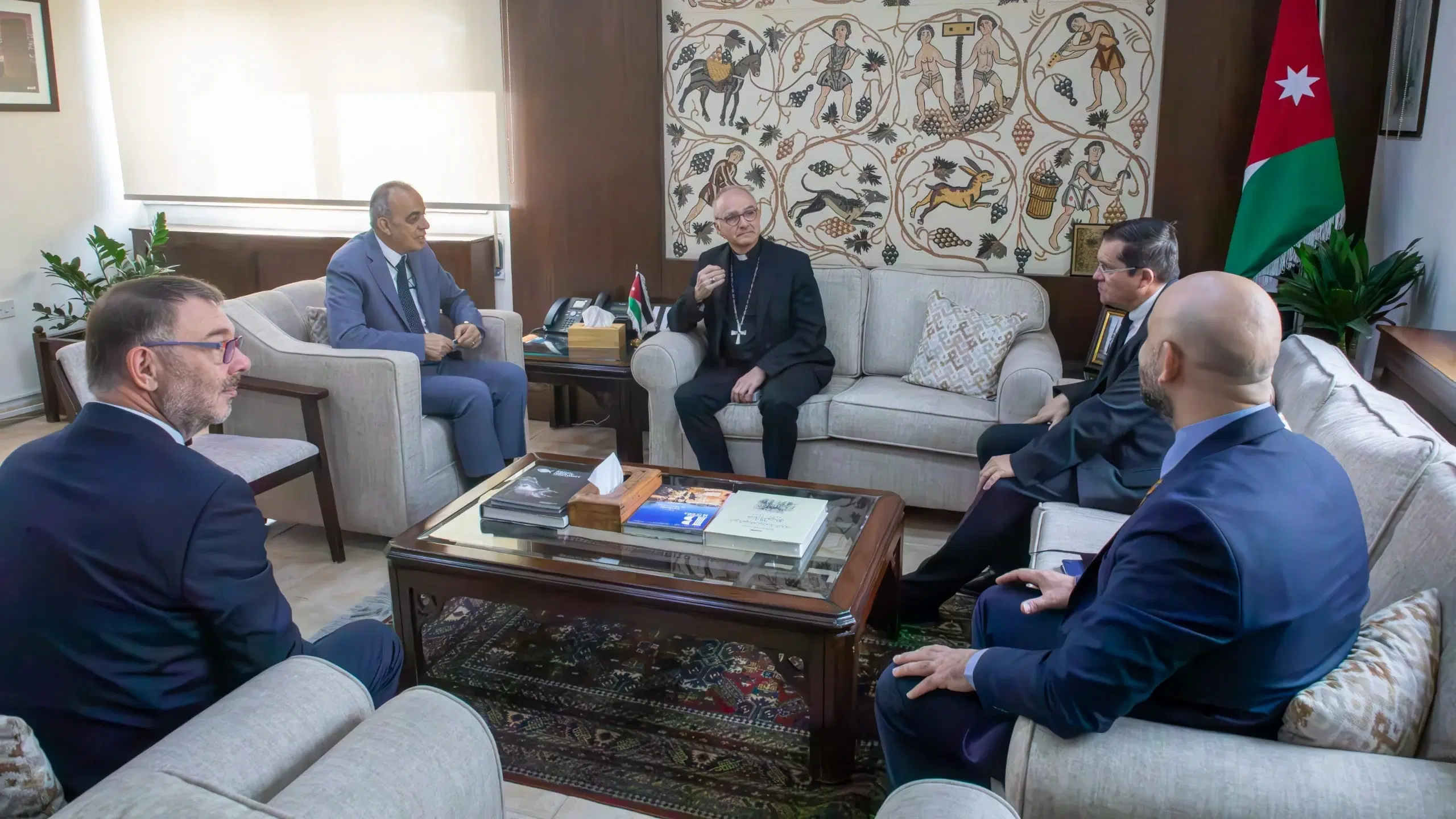
At the level of government policies, the Minister of Education and Human Resources Development, Azmi Mahafza, confirmed, during the annual Teachers' Day ceremony in 2025, placing the teacher at the heart of educational policies through training, qualification, support, empowerment, motivation, and appreciation.
The measures he referred to included allocating land plots for teachers at half price in various areas of the Kingdom, disbursing emergency advances, doubling the percentage of the Royal Grant for teachers' children in higher education institutions from 5% to 10%, in addition to allocating 5% of the total grants and loans provided by the Student Support Fund for teachers' children.
They also included doubling the number of Hajj missions allocated to the Ministry of Education from 60 to 120 missions, working on maintaining teachers' clubs and improving their services, and building clubs in governorates where there are no clubs.
On the professional side, Mahafza pointed to placing pre-service and in-service teacher training at the forefront of priorities, in parallel with developing curricula, preparing an appropriate school environment, and expanding the construction of school buildings and classroom additions.
The measures also include expanding kindergarten programs, enhancing inclusive education, developing the secondary school examination towards measuring skills, and expanding vocational and technical education specialties in response to labor market requirements.
Challenges Beyond Numbers
However, the challenges of the teaching profession go beyond the issue of providing sufficient numbers of teachers, to include the quality of preparation and training, working conditions, professional status, and the ability to keep pace with technological transformations and modern learning methods.
According to a previous report by the Jordanian Strategies Forum, the number of academics working in Jordanian universities was 11,367, including 3,183 females, while the number of compulsory insured individuals in the education sector, based on the annual report of the Social Security Corporation for 2021, was about 105,530 insured individuals, representing 8% of the total insured, including 69,154 females.
The report pointed to a gap in the average monthly wage between male and female workers in the education sector, considering education as one of the sectors that witness a noticeable wage gap between males and females.
While Jordan has about 146,000 teachers, globally, education faces an expected gap of about 44 million additional teachers by 2030, making the challenge double: providing sufficient cadres and ensuring their qualification and empowerment to keep pace with the transformations in education.