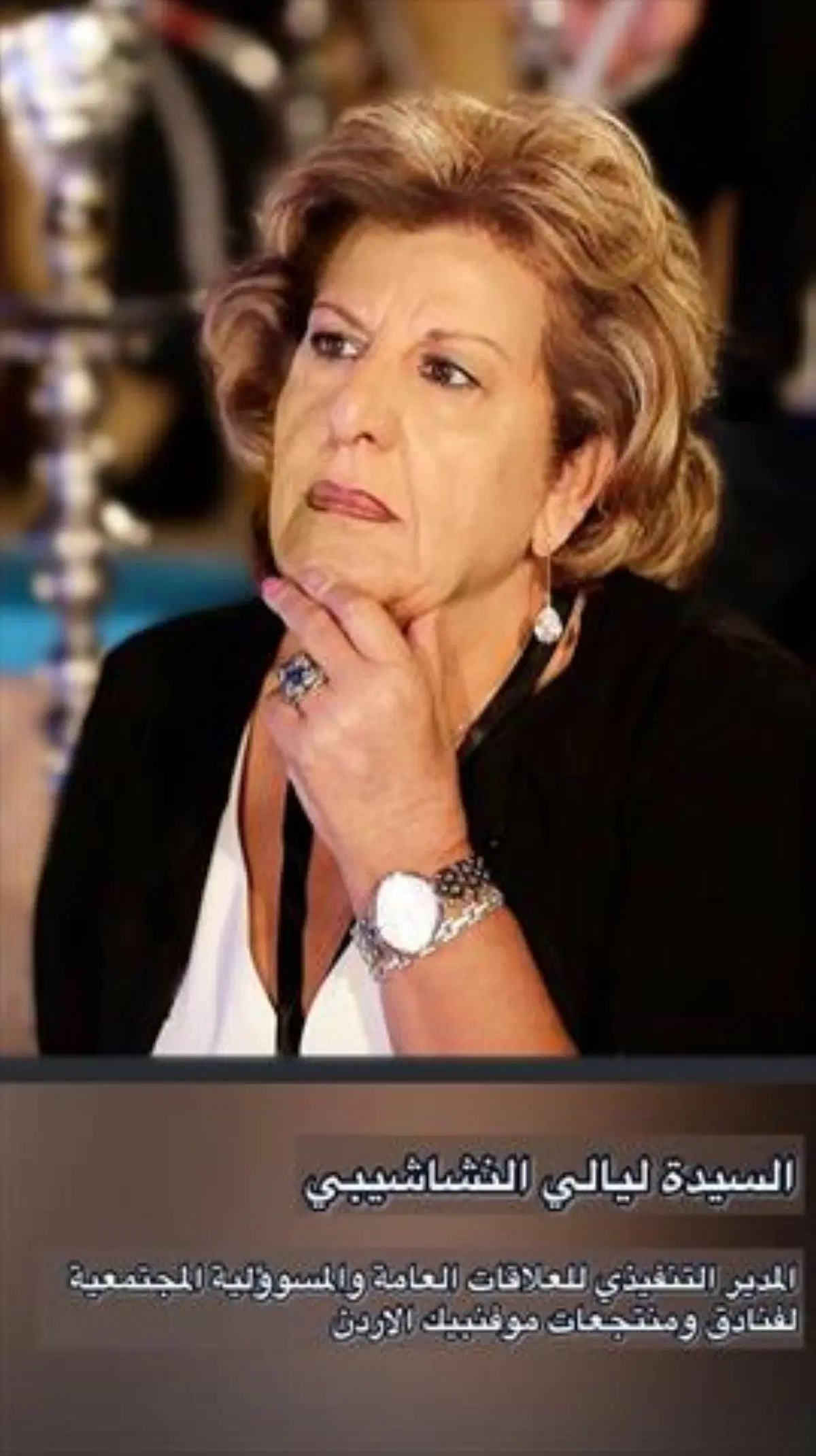
She added that Aqaba today is facing a new stage of development, which she believes will be faster and broader, in light of the royal interest that the city receives from His Majesty King Abdullah II ibn Al-Hussein, and the continuous and diligent follow-up from His Highness Crown Prince Al-Hussein bin Abdullah II, which enhances investment opportunities, progress, and the continuation of projects and services that serve the city's future, its people, and its visitors.
She pointed out that this interest places Aqaba before a great responsibility to preserve what has been achieved and build upon it, through developing services, infrastructure, improving the urban landscape, and enhancing the visitor experience, confirming that the city's tourist success is not only related to the number of visitors, but also to the impression the visitor leaves from the first moment of their arrival.
Nashashibi emphasized the importance of improving the visitor's first impression, starting from the border crossings, by facilitating procedures and making them faster and smoother, in line with the specificity of Aqaba as a special economic zone, noting that the crossing represents the first gateway to the city, and the way the visitor is received and the ease of their entry form an essential part of their experience.
She confirmed that enhancing air connectivity with Aqaba is a key factor in expanding the base of visitors, especially with the reopening of new lines and targeting tourist markets in Europe and Moscow, in addition to Arab destinations, explaining that the diversity of direct flights supports hotels, restaurants, commercial activities, and services linked to tourism.
She said that modern tourism is moving towards diverse experiences and is no longer limited to the sea and hotels, indicating that the diversity of races, cultures, celebrations, and events in Aqaba can form a new type of tourism if continuous events are organized that reflect the city's personality and provide the visitor with a different experience.
She pointed to the need to develop the corniche and the waterfront to suit Aqaba and its visitors, considering the sea as an essential part of the city's identity, and turning the waterfront into a more attractive space for residents, tourists, and a suitable place for events and activities.
Nashashibi confirmed that Aqaba has a real opportunity to build an integrated tourist experience, by linking it to Wadi Rum, Petra, and other Jordanian destinations, in addition to developing its services, events, and public spaces, indicating that the integration of these elements will enhance the visitor's stay duration and the benefit of various sectors and local communities from tourist activity.
She stressed that Aqaba, which has witnessed its development since the 1970s, is capable of continuing its journey towards a better future, and what it is witnessing today of interest, follow-up, and development gives indications of a new phase that could be more active and accelerated, for Aqaba to remain a city that deserves to be Jordan's tourist front on the Red Sea.