The activities opened with the political modernization pillar, which reviewed the most prominent milestones of the reform path, the Royal Discussion Papers, the work and outcomes of the Royal Committee to Modernize the Political System, the 2022 constitutional amendments, the path toward transition to partisan parliamentary governments, and the role of the Independent Election Commission in the political modernization system.
The first day featured a workshop titled "Opportunities and Challenges of Political Modernization from a Youth Perspective," which discussed the reality of youth participation and the opportunities and challenges associated with the role of youth in the political modernization path.
The phase will continue over the coming days through pillars covering legislation governing political participation, local administration and decentralization, and the participation of Jordanian youth in political life.
The legislation pillar focuses on the Election Law and the Political Parties Law, the most prominent provisions related to political participation, candidacy, lists, and partisan representation, in addition to an applied reading of the 2024 election experience and a practical simulation of forming a party list.
The local administration and decentralization pillar addresses the concept of local administration and its development in Jordan, the formation of municipal and provincial councils and their powers, as well as a simulation of a municipal council, local community priorities, the budget, and the role of youth in accountability and local participation.
The phase concludes with a pillar on youth participation in political life, by examining opportunities, challenges, and tools for influence and participation, primarily advocacy, youth initiatives, and digital media, in addition to preparing plans for youth initiatives and presenting their outcomes and recommendations.
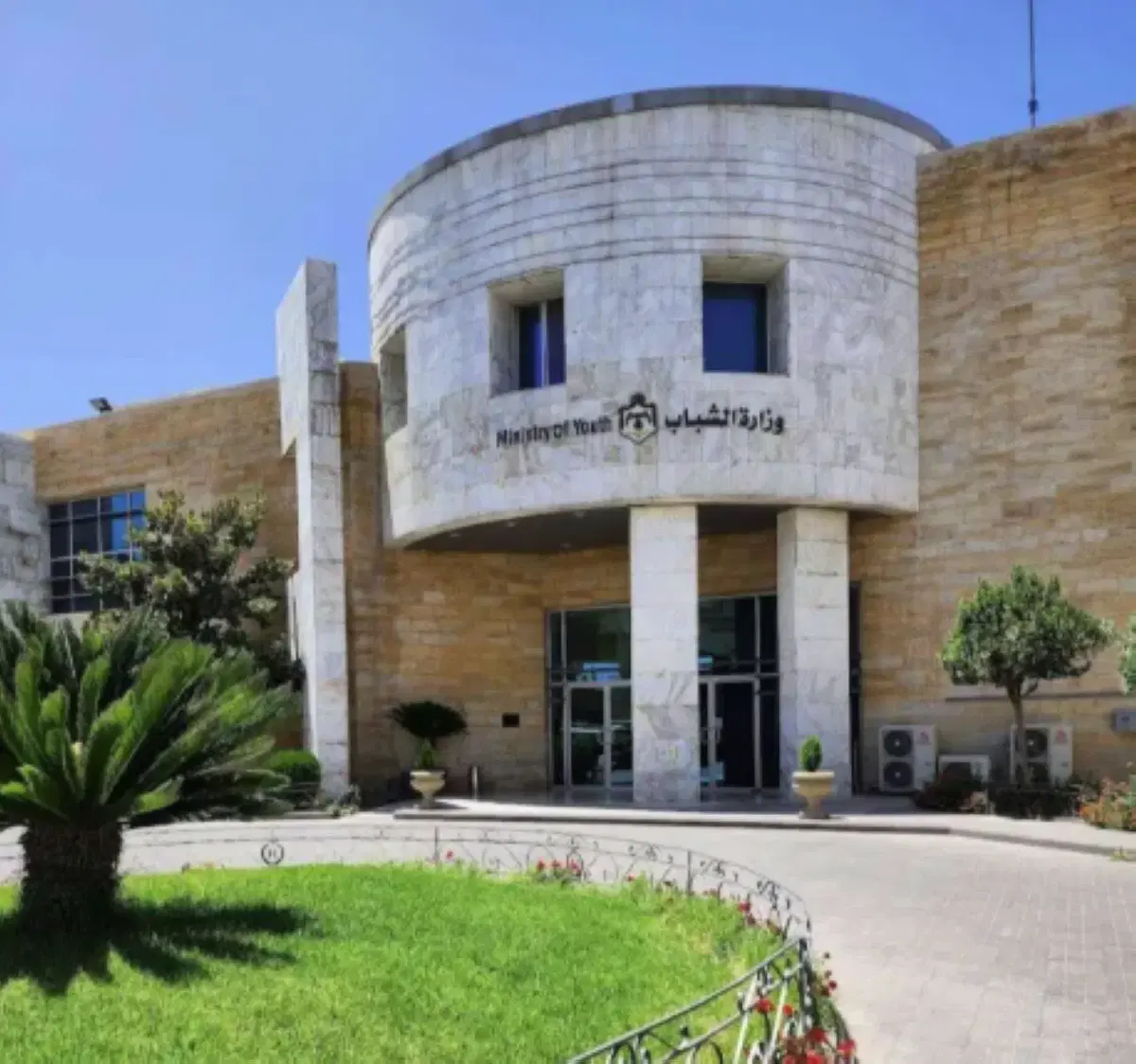
The "Nashama" program comes within the efforts of the Ministry of Youth, represented by the Youth Leadership Preparation Center, to build the capabilities of youth and qualify them to assume effective leadership and societal roles, through a training path that combines knowledge and application, and develops skills in dialogue, leadership, initiative creation, and participation in public life, contributing to preparing a generation of youth capable of creating a positive and sustainable impact in their communities.