Al-Rawashdeh told the Jordan News Agency (Petra) that the ministry intends to form the "Aqaba Artistic Troupe" from young talents, to represent the artistic identity of Aqaba and Jordan, in addition to working on providing a wider space for artistic training, which contributes to expanding the base of participation in cultural and artistic activities in the governorate.
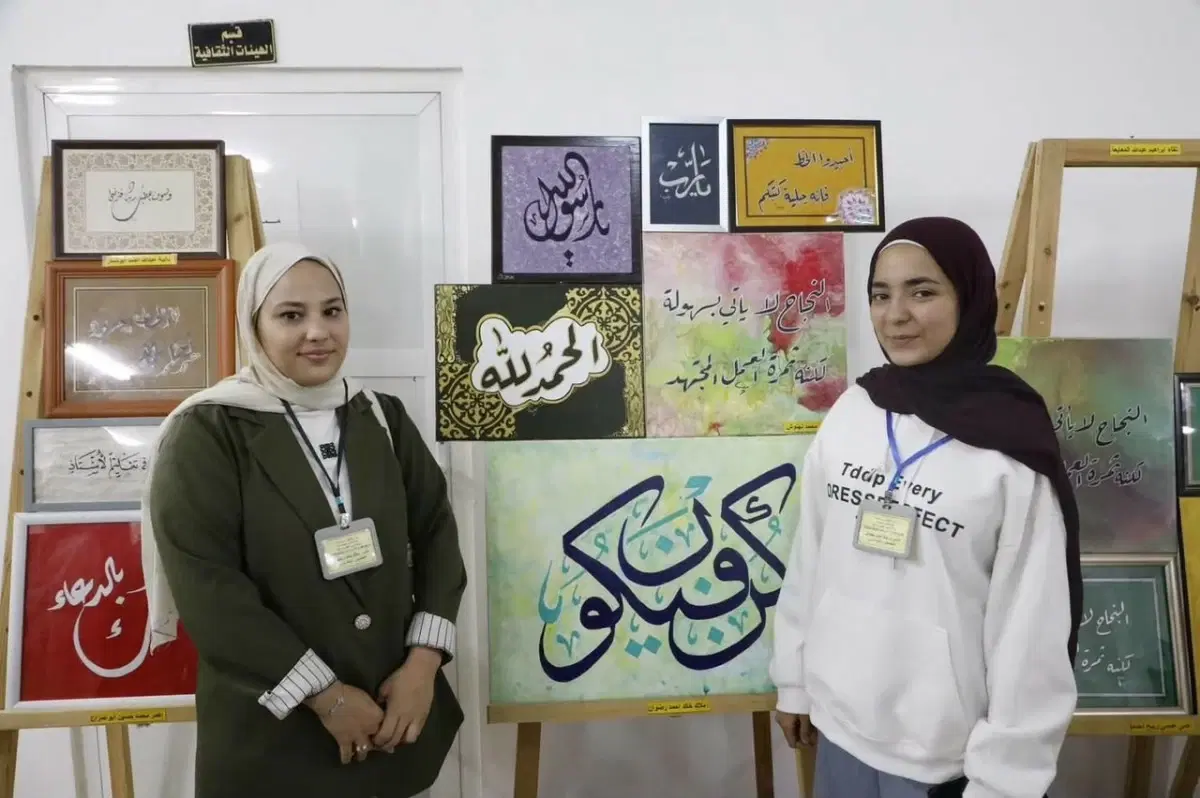
He added that the artistic creations of children, young men and women, and the elderly in the fields of visual arts, drawing, Arabic calligraphy, and music reflect a true passion for art and culture, and represent a positive indicator of the growth of artistic talents in the governorate.
Al-Rawashdeh praised the performance level of the child musicians and the skills and artistic potential they demonstrated, expressing his appreciation to those in charge of training at the center.
He emphasized the importance of supporting local talents and providing the appropriate environment to develop and refine their skills, allowing them broader opportunities to express their abilities and contribute to enriching the cultural and artistic scene in Aqaba.
He pointed out that the ministry will explore the possibility of allocating a larger space for artistic training in Aqaba by utilizing one of the youth centers, which would allow for accommodating larger numbers of trainees, developing their artistic skills, and enhancing the participation of various age groups in cultural activities.
Regarding the Simsimiyya instrument, which constitutes one of the distinctive heritage components of the city of Aqaba, Al-Rawashdeh confirmed that the ministry is working to include it on the lists of the United Nations Educational, Scientific and Cultural Organization (UNESCO) in cooperation and coordination with countries associated with this heritage that share in practicing and preserving it, based on its importance as a traditional Jordanian musical instrument linked to the cultural and social identity of Aqaba.
He stressed the importance of preserving and promoting local musical heritage, and providing the opportunity for new generations to learn about it and practice it, which contributes to safeguarding the Jordanian cultural identity and passing its heritage elements to future generations.
The visit comes within the framework of following up on cultural and artistic programs in the Aqaba Governorate, and reviewing the reality of training and its needs, in a way that enhances the role of cultural institutions in developing creativity, nurturing local talents, and preserving the national cultural identity.