Middle East war awakens painful memories in Iraqi Kurdistan
Amman4 min read
Share
In the green mountains of Iraqi Kurdistan, the war in the Middle East has awakened painful memories for those who lived through the Iran-Iraq War at a young age, and who today fear a new slide into a vortex of widespread violence.
At that time, decades ago, the border town of Penjwen was a forward combat front.
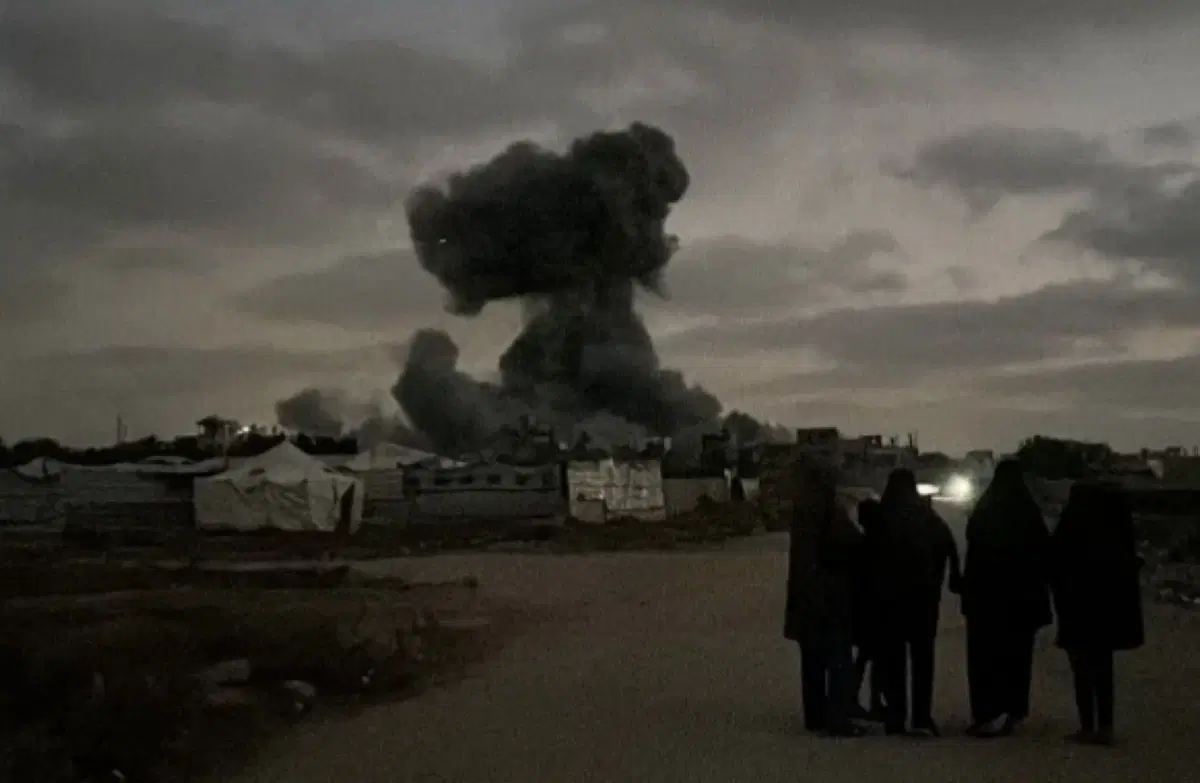
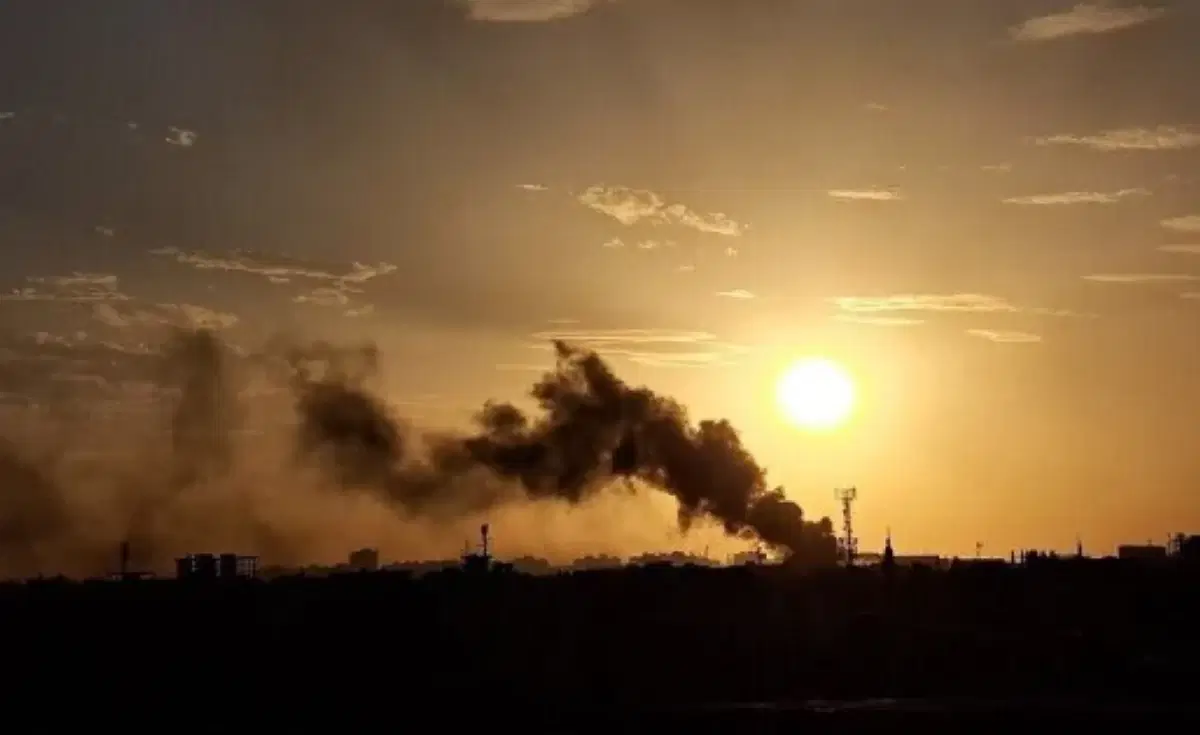
In the recent war, months ago, the city's sky became an arena for drones and missiles, starting from the twenty-eighth of last February.
Omed Hassan, a 57-year-old worker, says, "The sound of any plane flying in the sky, or any missile passing over our city, brings back to my memory those days when our city became a forward combat front between Iraq and Iran."
He adds, "With the sound of every bomb or every plane flying in the sky, those days come back to my imagination, and anxiety and sadness cast their shadows."
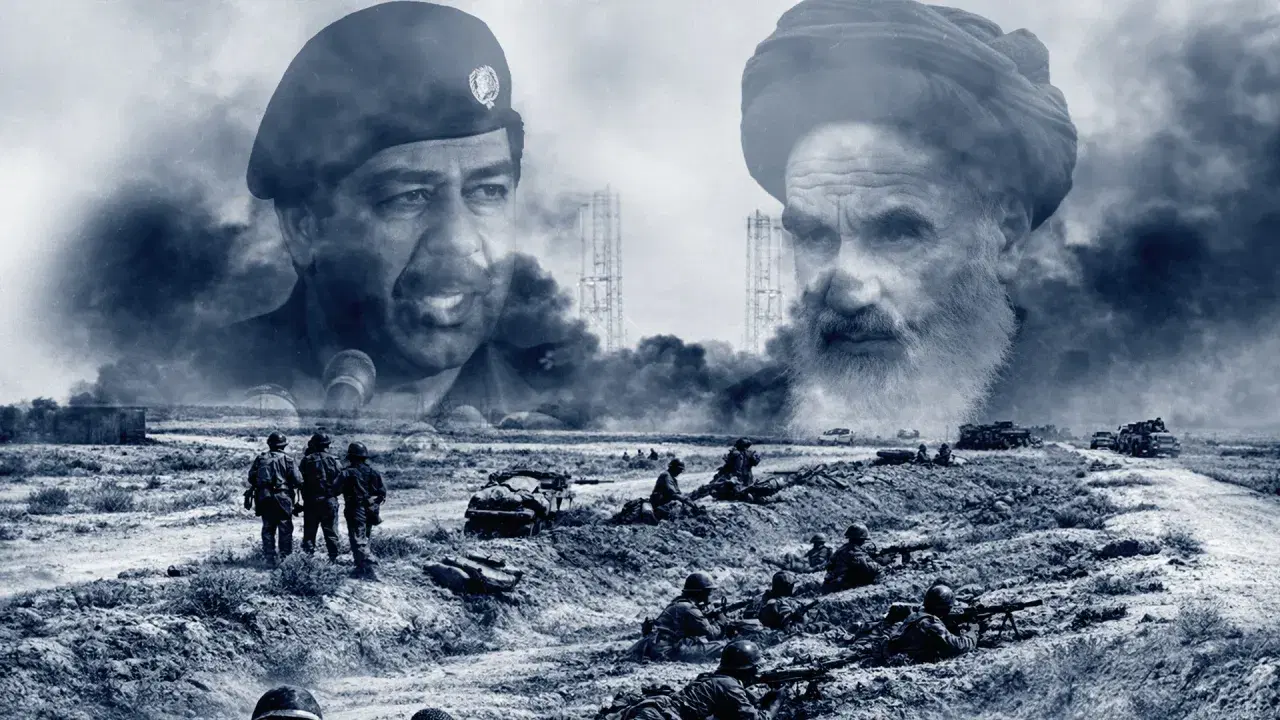
On September 22, 1980, Iraq launched an attack on neighboring Iran, igniting a fierce war that lasted eight years, claimed the lives of hundreds of thousands of people, and plunged the country into a long period of instability.
Ahmed Faraj, who is the same age, recalls the memories of those days while drinking a cup of tea in one of the city's markets, especially the day of June 6, 1981, when "Iran bombed the city heavily, leading to dozens of civilian casualties."
He says, "On that day, only 10% of its population remained in Penjwen after they evacuated the city."
He adds, "In 1983, Iran launched a ground attack and took control of most of this mountainous border region, and at that time the Iraqi government proceeded to completely destroy the city" so that Iranian forces would not fortify themselves there.
Between 1987 and 1988, Saddam Hussein's regime carried out the terrible "Anfal campaign," which claimed the lives of 180,000 Kurds, according to estimates.
Abdul Rahman Ali Reza, a former member of the Kurdistan Region Parliament, was ten years old when Iraqi forces set fire to his family's home in Penjwen.
The 53-year-old man says, "The house was burned before our eyes... It is a scene that never leaves my memory."
He adds, "All the houses, schools, government offices, and holy religious sites were demolished and razed to the ground... Even today, after all these years, the remains of more than a thousand demolished houses still stand as they are, without being rebuilt."
Reza believes that this fate haunts the residents of border areas during wars... Therefore, "the residents must be on high alert for any disaster."
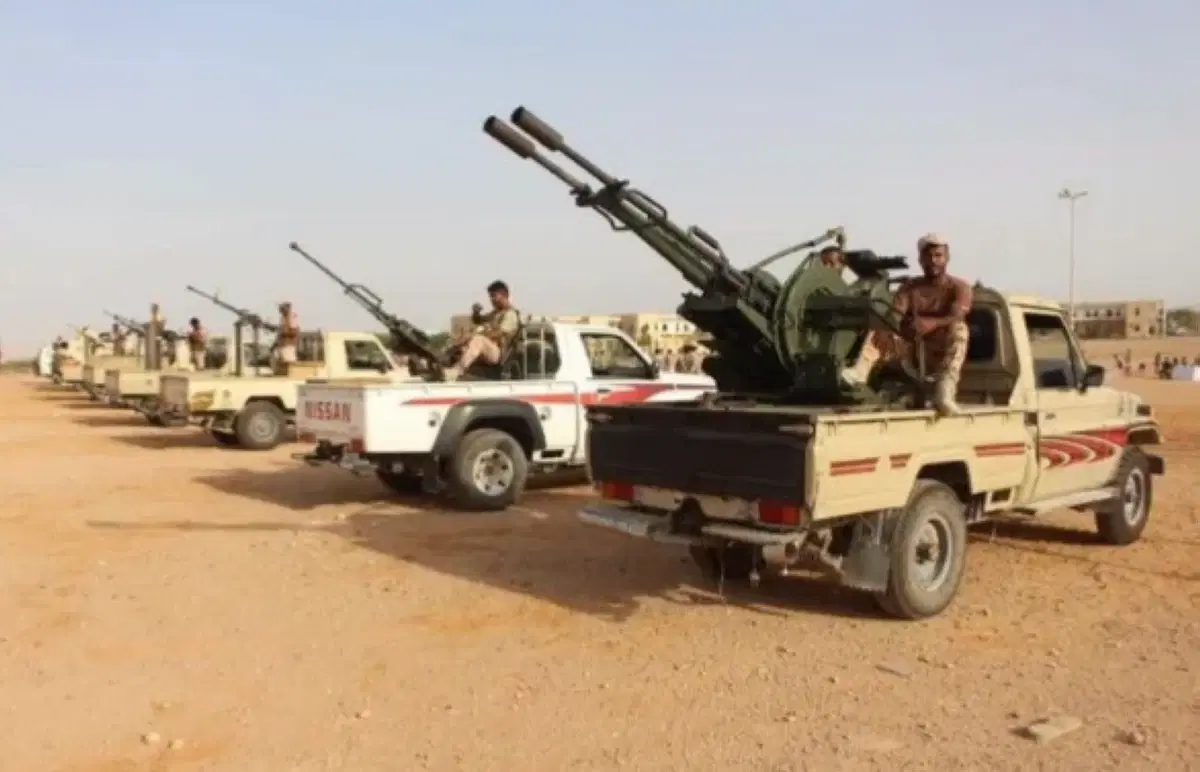
In recent months, the Kurdistan Region of Iraq has been subjected to several attacks by Iran and allied Iraqi armed factions, as US forces and Iranian Kurdish factions opposed to the Islamic Republic, which have been stationed there for many years, are deployed there.
At the beginning of the war on Iran, US President Donald Trump expressed his support for these factions launching an attack on the Islamic Republic, before later retracting his statements.
On the other hand, these groups, which Tehran classifies as "terrorist," ruled out any military intervention in the absence of a popular uprising inside Iran.
Among the groups that found refuge in Iraqi Kurdistan is the Komala Party (Kurdistan Organization of the Communist Party of Iran), a leftist party founded in 1969 by students and intellectuals in Tehran and Kurdish cities, which has been subjected to attacks by Iranian drones and missiles in recent months.
Idris Kalah Douzi, a member of the party's leadership, says that Tehran "fears the outbreak of an uprising," and therefore sent troops to Iranian Kurdistan over the past months, including along the border with Iraq.
He believes that this additional military deployment "has become a burden and a heavy weight on people's lives," at a time when the Kurds "do not have factories and plants to work in and rely more for their livelihood on agriculture in the border areas."
In a café in the city of Penjwen, Hadi Abdullah (56), a government employee wearing traditional Kurdish clothing, complains about the economic repercussions of the conflict, which has already caused a state of instability and rising prices.
He says resentfully, "This is not our war, and we should not be dragged into it."