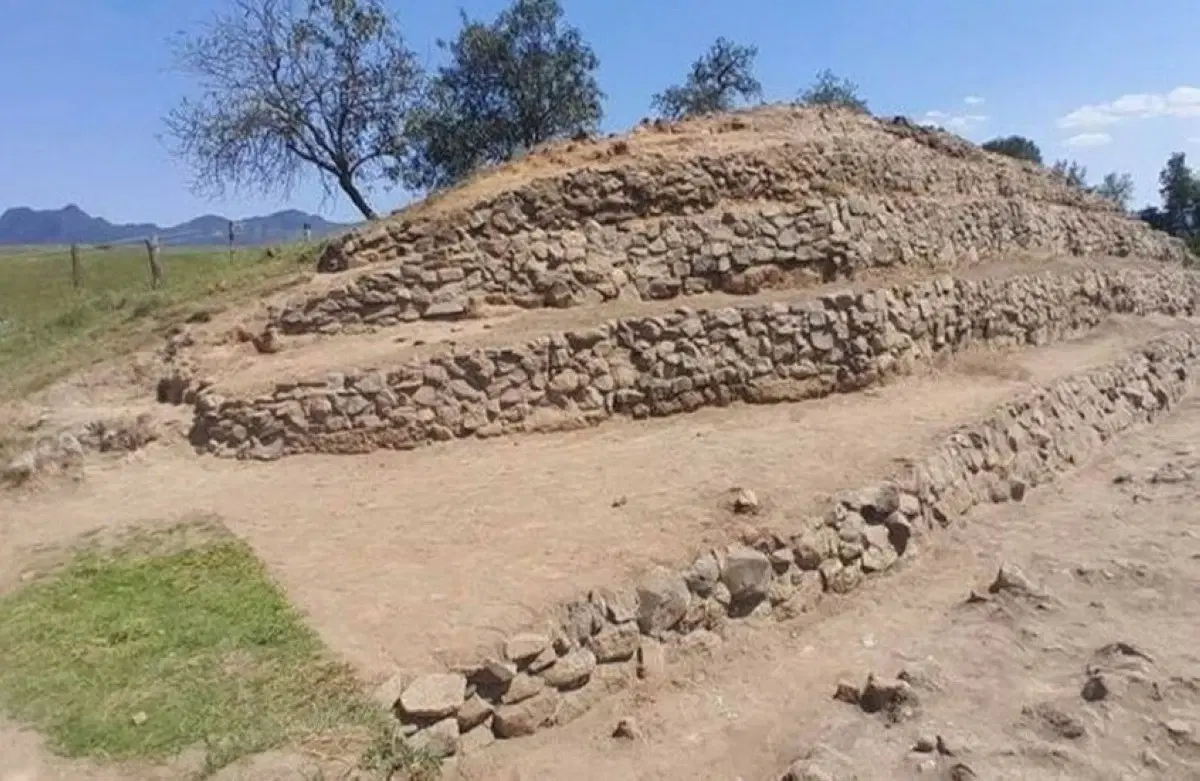
Archaeologists in Mexico have revealed an ancient architectural complex in the Teteles de Avila Castillo area of Puebla state, believed to have been used as a solar observatory about 2,500 years ago to monitor the sun's movement and determine important dates in the agricultural calendar.
The complex dates back to between 1000 and 600 BC and features a quadrilateral courtyard surrounded by two architectural platforms: an eastern one measuring 90 meters long and 40 meters wide, and a smaller western one believed to have been used for observation purposes.
The design and location of the buildings helped track changes in the sunrise position throughout the year, allowing inhabitants to determine important temporal milestones, including the beginning of the year in February and the harvest season in October.
According to Mexico's National Institute of Anthropology and History, the complex is similar in design to what are known as astronomical "E-groups" found in Maya civilization sites, such as Uaxactun in Guatemala, but it features local architectural characteristics and is about twice the size of the Uaxactun observatory.
The discovery gains special importance as it is considered one of the most prominent pieces of evidence of organized astronomical observation outside the traditional scope of the Maya civilization, reinforcing the hypothesis of the spread of astronomical and calendrical knowledge among ancient Mesoamerican societies, and perhaps its reach to the ancestors of the Totonac and Huastec peoples.