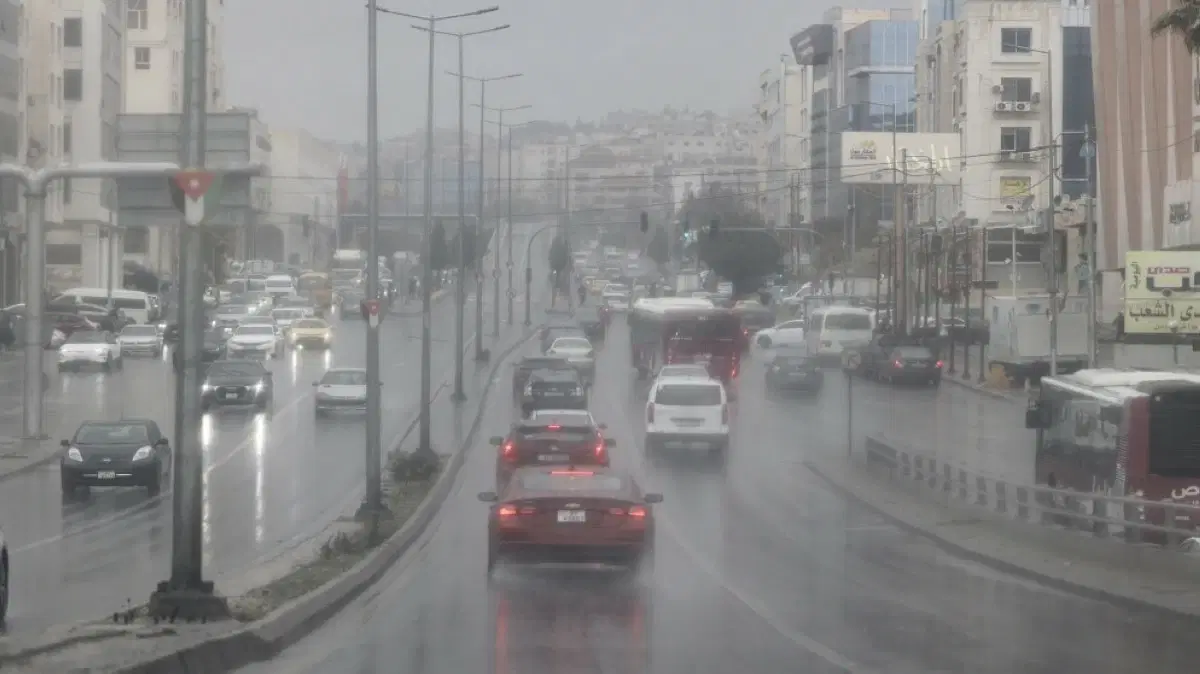
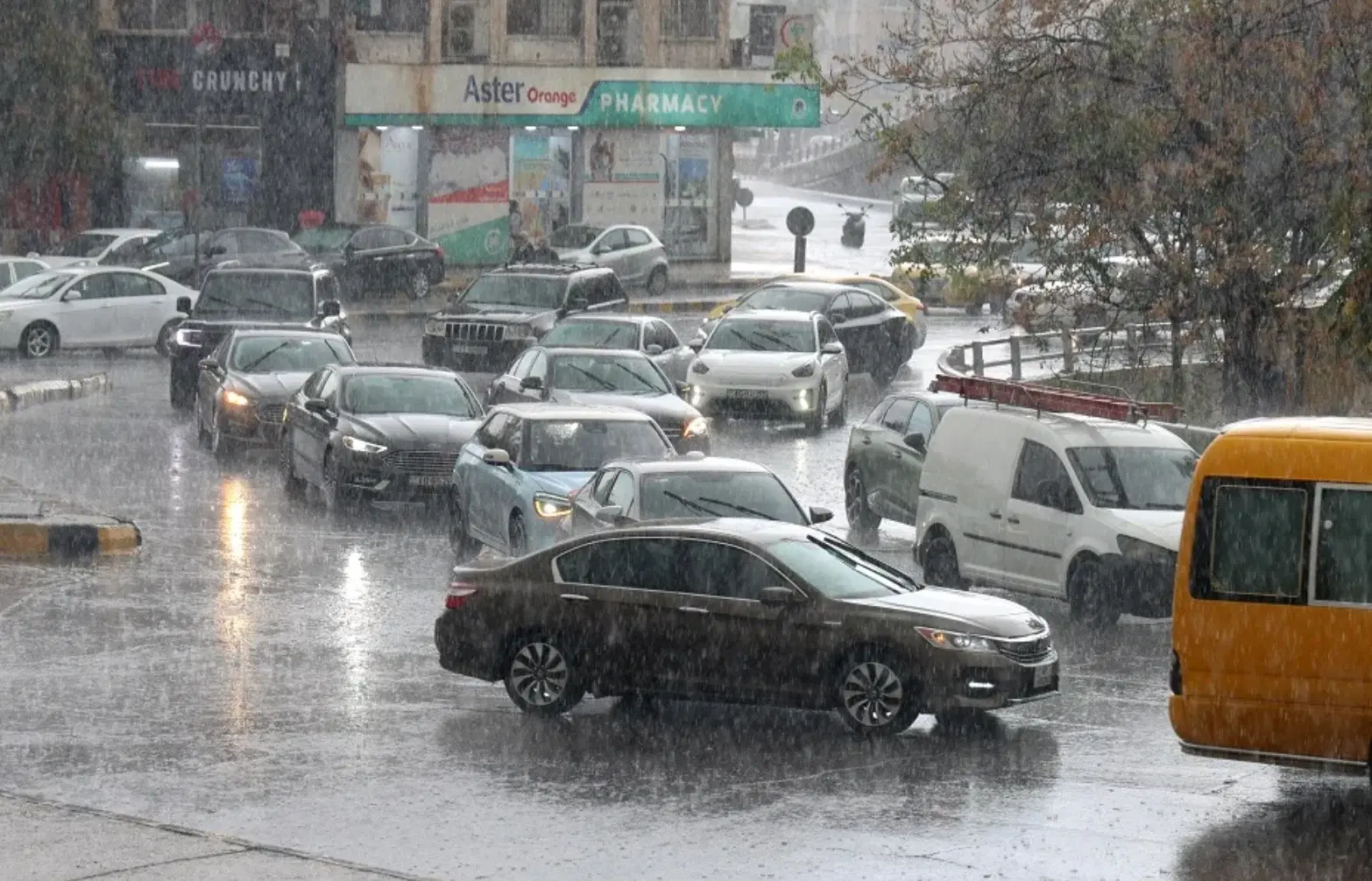
He added that all indicators at this moment suggest that rainfall averages over the three months will be higher than general climatic averages, noting that this is a positive and promising sign.
Al-Khattab emphasized that seasonal forecasts are probabilistic and not definitive, explaining that rainfall amounts vary from one region to another, and that higher rainfall averages do not mean consistent precipitation in all areas.
He explained that seasonal forecasts, which cover a three-month period, provide general rather than detailed indicators, unlike medium-range forecasts which help monitor the developments of a specific weather condition or system over a few days and have higher accuracy compared to seasonal forecasts.
Regarding the JMD's preparations for the 2026-2027 winter season, Al-Khattab said that the department operates around the clock, seven days a week, without interruption, confirming that preparation for the winter season is not linked to the arrival of depressions, but continues throughout the year through monitoring, organization, and development.
He explained that the role of the JMD is not limited to forecasting rain or temperatures, but also includes issuing warnings for weather conditions that may accompany influential weather systems, such as the formation of flash floods, thunderstorms, dust storms, and other weather phenomena.
He added that the department works throughout the year to develop its systems in general and its early warning systems, with the aim of achieving the highest possible level of accuracy.
Al-Khattab pointed out that the JMD is currently working with the UK Met Office to exchange information, noting that monthly meetings are held with them.
He also pointed to the work with partners at the China Meteorological Administration on an artificial intelligence-based early warning system, explaining that work on developing these systems continues throughout the year.