Livestock in Aqaba.. A sector that enhances national food security
Amman4 min read
Share
The total livestock in Aqaba Governorate amounts to 112,951 heads of sheep, goats, and camels, reflecting the importance of this sector in supporting the national food security system and providing income sources for hundreds of breeders, while the Aqaba Agriculture Directorate works to protect the herd, organize its holdings, and enhance its health and productivity.
The Director of the Aqaba Agriculture Directorate, Engineer Thaer Al-Ruwaijfah, said that the livestock in the governorate represents one of the important sectors in the food security system, providing a direct source of income for hundreds of breeders, noting that the Directorate pays continuous attention to this sector through health care programs, supervision, and regulation, in cooperation with relevant authorities.
He added in an interview with (Al-Rai) that the latest statistics on livestock holdings in the governorate show the existence of 53,880 heads of goats, 55,271 heads of sheep, and 3,800 heads of camels, in addition to seven broiler poultry farms with a total capacity of 73,000 birds and one layer poultry farm with a total capacity of 20,000 birds.
Al-Ruwaijfah explained that protecting the health of the herd is a key focus in the Directorate's work, which has implemented comprehensive health immunization programs over the past period that have reached more than 120,000 heads of livestock, including more than 99,000 heads of sheep and goats, in addition to 4,820 heads of camels, within health programs aimed at protecting livestock, reducing the spread of diseases, and maintaining the sustainability of production. He pointed out that these efforts come in cooperation with relevant authorities, including the Veterinary Physicians Syndicate, through discussing issues related to livestock and animal health, and enhancing coordination to serve breeders and maintain the safety of the herd.
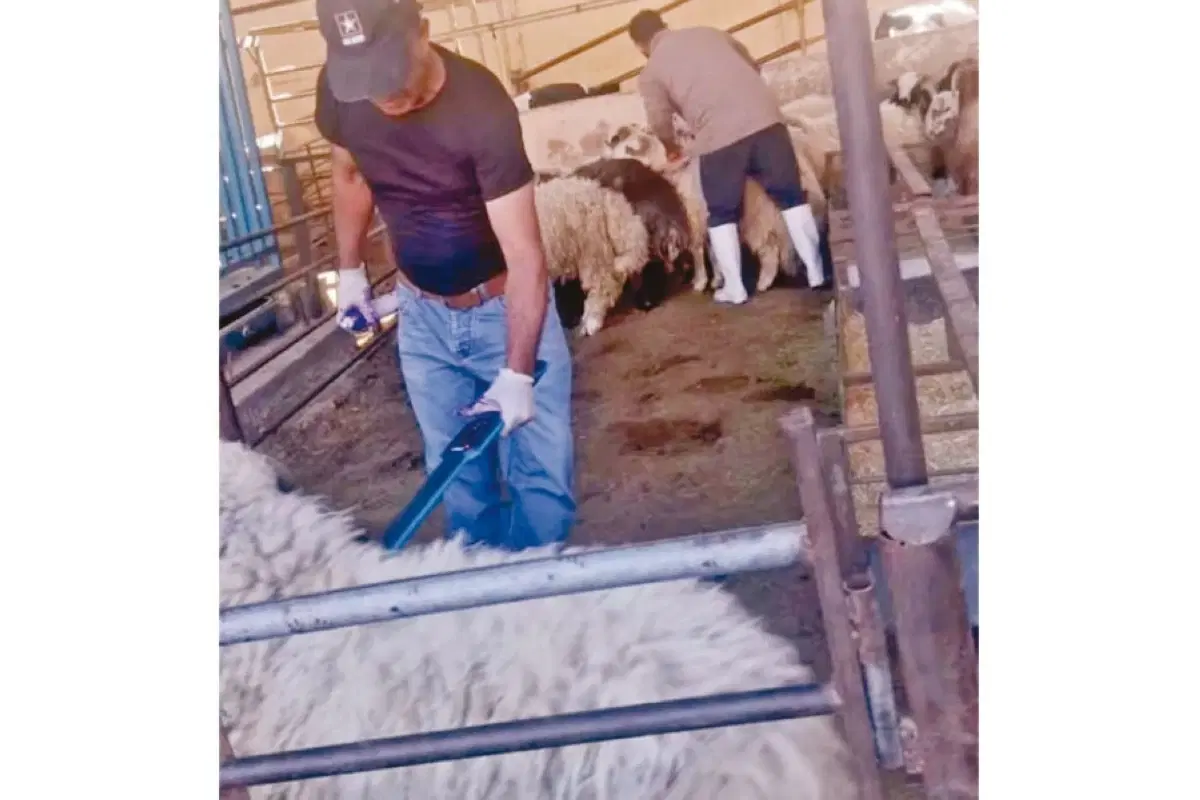
He pointed out that the Directorate also participated in the electronic numbering campaign for livestock, which has so far contributed to numbering more than 25,000 heads of sheep and goats, explaining that the numbering aims to govern and document holdings accurately, and ensure that feed support reaches its rightful recipients, thereby enhancing justice and transparency in the distribution of support.
Al-Ruwaijfah pointed out that electronic numbering procedures require vaccinating the herd with three approved vaccines before completing the numbering process, while the Ministry of Agriculture provides these vaccines free of charge to farmers, in support of them and to enhance the safety of herds and reduce the spread of diseases.
He added that the Aqaba Agriculture Directorate has received nearly 300 farmers since the activation of the electronic numbering platform, where technical support and necessary guidance were provided to them, and they were assisted in registration procedures and data entry accurately, ensuring the proper documentation of holdings.
Regarding the regulation of the agricultural labor market, Al-Ruwaijfah said that the Directorate continues to process the affairs of foreign workers in cooperation with the Directorate of Labor, ensuring the continuity of services provided to livestock breeders within the approved legal frameworks, and maintaining the continuity of activity in this sector.
He pointed to the pivotal role played by the Aqaba Customs Agriculture Center in supporting the livestock sector, by supervising the reception of sheep and feed ships and conducting the necessary inspection and examination operations according to the approved health and technical requirements, thereby ensuring the safety of imports and protecting the local market.
According to Al-Ruwaijfah, the number of feed ships inspected during 2025 amounted to about 75 ships loaded with feed, in addition to 20 ships loaded with wheat, while the number of livestock ships arriving through Aqaba Port this year amounted to 89 ships, with a total of 920,522 heads of sheep and 72,868 heads of calves.