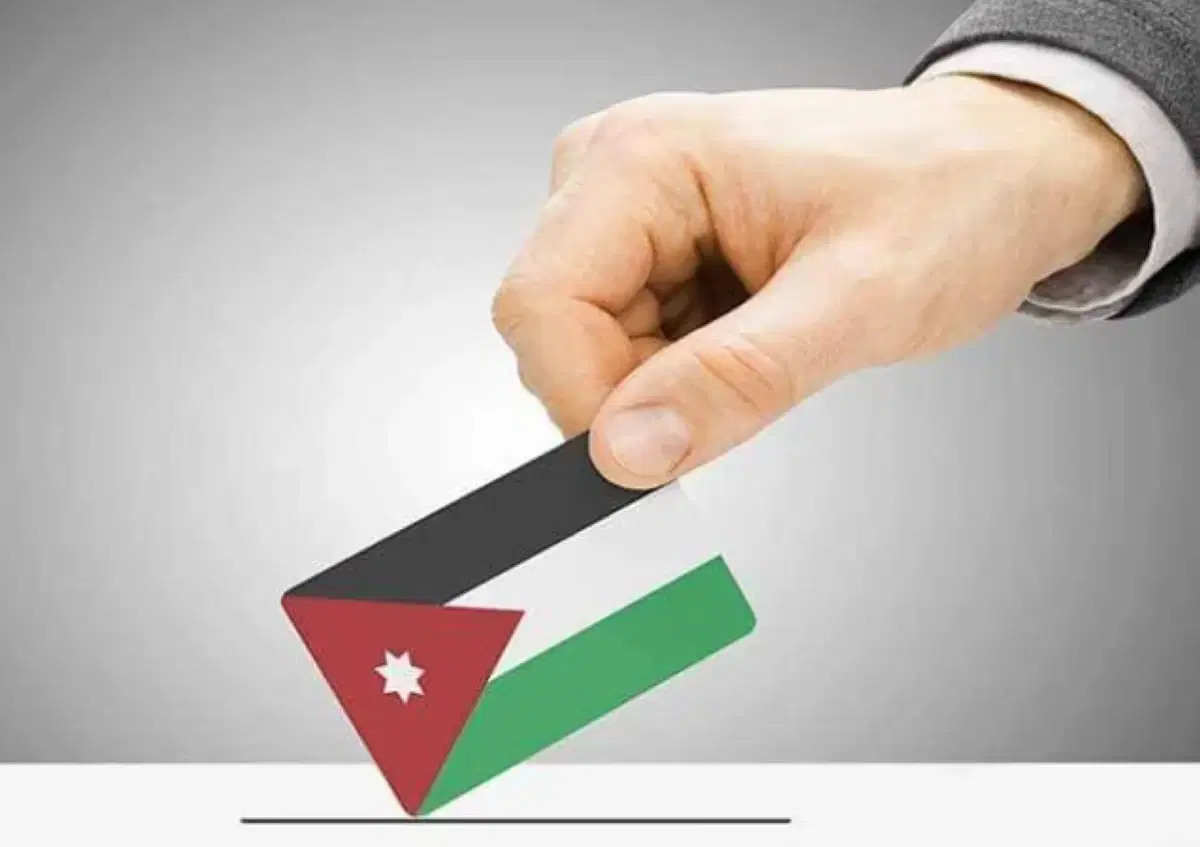
Secretary-General of the Al-Islah Party, Lawyer Hussam Hussein Al-Khasawneh, Secretary-General of the Moadara Party, Dr. Mohammad Abu Hudaib, and Secretary-General of the Al-Taghyeer Party, Dr. Fawzan Al-Baqour, emphasized the importance of the upcoming elections in enhancing the role of parties in local administration, pointing out that electoral competition represents an opportunity to develop partisan work, broaden popular participation, and link political programs to citizens' daily issues, amid varying assessments of the governing legislation's ability to promote partisan participation.
Al-Khasawneh said that the upcoming municipal elections constitute an important station for Jordanian parties and an opportunity to rebuild trust between them and citizens, and to open direct and sustainable communication channels with them, pointing out that municipalities represent the institutions closest to citizens, and through them, the impact of partisan work in improving services, achieving development, and creating job opportunities can be measured.
He added that the role of parties lies in presenting qualified candidates who carry realistic local programs, organizing popular participation, and building alliances based on clear objectives, alongside following up on the performance of their representatives after winning, in a way that enhances collective work and accountability, and turns political presence into tangible achievements that respond to the needs and specificity of the regions.
He explained that the Al-Islah Party has begun its preparations for the municipal elections by making a decision to participate, forming a special committee for the elections, and opening the door for candidacy for those wishing to run, provided that the committee undertakes the study of nominations and the approval of candidates according to criteria of competence, integrity, and the ability to serve the community.
He pointed out that the party is currently working on holding meetings with its candidates to discuss their regions' priorities and electoral programs, and to prepare for contesting the elections within a collective and organized partisan work, emphasizing the necessity of activating the role of the party's branches in the governorates to support candidates through communication with citizens, organizing field work, mobilizing participation, and introducing electoral programs in coordination with the election committee.
Al-Khasawneh indicated that supporting candidates must be based on institutional effort in which administrative bodies, committees, and party members participate, and should not be limited to the election stage, but rather continue through monitoring the performance of winners and their commitment to their programs and pledges towards citizens.
He noted that the party starts from a previous experience and presence in local administration, as its ranks included mayors and municipal council members in various governorates of the Kingdom, indicating that the party is keen to benefit from these experiences in preparing candidates, developing their programs, and linking them to reality and citizens' needs.
Regarding the draft local administration law, Al-Khasawneh explained that the party submitted a position paper after holding dialogue sessions in various governorates of the Kingdom to listen to the opinions of citizens and local community members and discuss their needs and proposals.
He added that among the party's most prominent demands is the allocation of seats for parties in elected councils within the local administration, similar to partisan representation in the House of Representatives, in a way that enhances competition based on programs and collective work, and links the political modernization track with local administration.
He stressed that supporting party participation in elections requires ensuring equal opportunities in accessing voters and the media, clarity of candidacy, propaganda, and financing procedures, in addition to training candidates on local administration, budgets, planning, and oversight, and encouraging the participation of youth and women.
He stressed that the results of the municipal elections will be reflected in the parties' organizational strength, the size of their bases, and the level of citizens' trust in them, and will also affect their chances during the upcoming House of Representatives elections, noting that the party that succeeds in serving citizens locally, following up on their issues, and fulfilling its commitments will be more capable of expanding its presence and winning their trust.
Abu Hudaib: Moadara started forming its committees at the headquarters and governorates early
For his part, Secretary-General of the Moadara Party, Dr. Mohammad Abu Hudaib, said that the upcoming national entitlement for local administration elections is considered the most important electoral entitlement after the recent parliamentary elections, expecting Jordanian parties to contest these elections with all their capabilities to enhance their presence and improve their image among citizens.
Abu Hudaib added that the upcoming elections constitute an opportunity for parties to confirm that political modernization and partisan participation have become an authentic part of the electoral process in the Kingdom, expecting parties to participate and compete strongly in this national entitlement.
He explained that the Moadara Party began its preparations for the elections early through forming committees at the headquarters and various governorates, with the aim of studying the party's and its candidates' chances in contesting the elections and achieving the best results.
He indicated that local administration represents the first link in the rings of democracy, and that municipal and service work forms an authentic part of the party's philosophy and vision in interacting with citizens' issues and needs.
Abu Hudaib pointed out that the participation of parties in the upcoming elections reflects the importance of transitioning from political presence to direct work in local communities through programs that respond to citizens' priorities and enhance the role of local administration in providing services.
Al-Baqour: The local administration law did not provide sufficient tools to enhance partisan participation
In turn, Secretary-General of the Al-Taghyeer Party, Dr. Fawzan Al-Baqour, said that the party views the upcoming municipal elections as an important national entitlement and a fundamental station in the path of political modernization, yet it sees that the new local administration law did not bring about a fundamental transformation in enhancing partisan participation, nor did it provide sufficient legislative tools to translate the goals of political modernization into a tangible reality at the level of local administration.
Al-Baqour expected that the nature of the upcoming electoral competition will not witness a major change, suggesting the continued influence of tribal, regional, and personal considerations to a greater extent than partisan affiliations and programs.
He explained that the presence of candidates carrying party names or running for elections in partisan capacities does not necessarily mean that their electoral bases are based on partisan programs, stressing the importance of a gradual transition from voting based on social relations to voting based on programs, competence, and the ability to achieve.
He pointed out that the Jordanian partisan experience is still in the building stage, and has not yet reached the level of maturity that enables parties to contest local elections relying solely on their organizational and programmatic bases, especially in light of the absence of sufficient legislative incentives to enhance partisan representation in municipal councils.
Al-Baqour noted that the experience of the current House of Representatives and the performance of parties inside it will be reflected in the upcoming elections, in light of citizens' monitoring of the parties' ability to turn their parliamentary presence into tangible achievements and positions, which affects the level of trust in partisan candidates.
Regarding the party's preparations, Al-Baqour explained that the Al-Taghyeer Party is working through its branches in various governorates to study participation options, attract competencies and community figures capable of presenting realistic service and developmental programs, alongside openness to alliances that align with its orientations.
He stressed that the participation of parties in political life requires providing sufficient legislative space for growth and competition, emphasizing that political modernization is not complete simply by the presence of parties on ballot papers, but rather when partisan programs become the basis for choosing citizens' representatives, whether in the House of Representatives or municipal councils.
The visions of the three parties intersect on the importance of enhancing partisan participation in the upcoming elections, developing institutional work within parties, and preparing candidates capable of presenting realistic programs and following up on their implementation, which contributes to cementing trust between citizens and parties and enhancing their role in political life and local administration, while a contrast stands out in assessing the impact of current legislation on broadening partisan representation and the parties' ability to compete on the basis of programs.