Early electoral movement in Mafraq.. and artificial intelligence enters the scene
Calls to enhance the presence of women and youth
Amman4 min read
Share
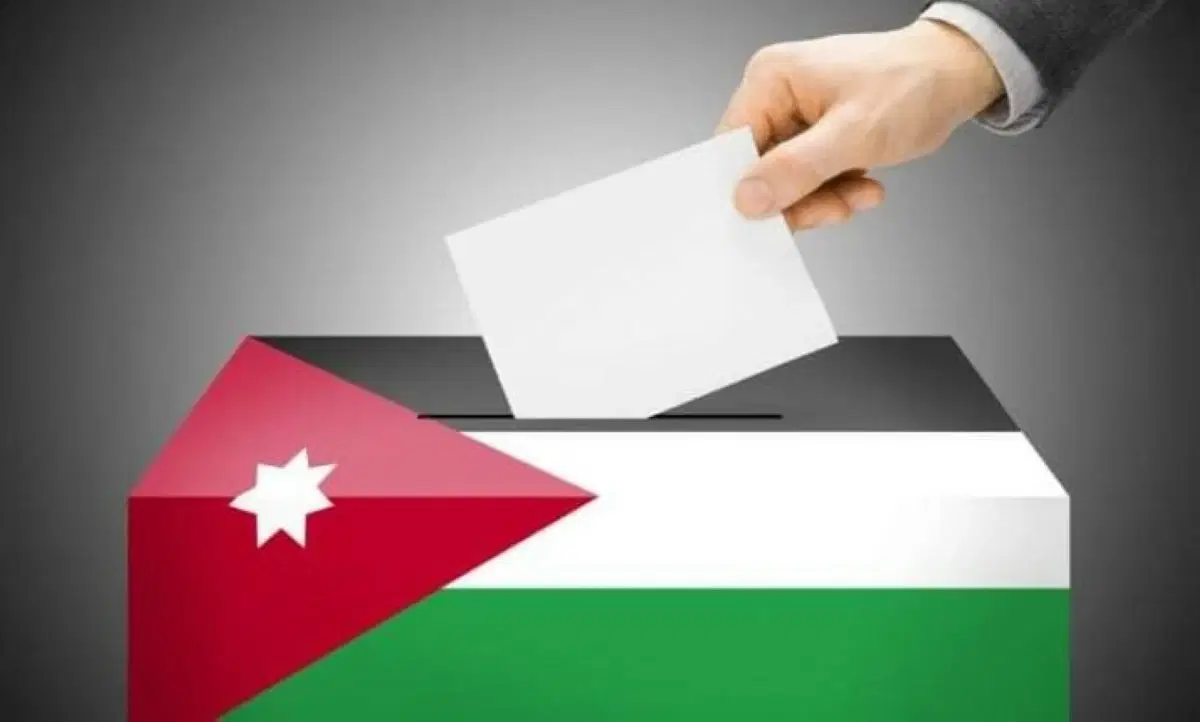
With the start of official preparations for the upcoming municipal elections, features of an early electoral movement have begun in Mafraq Governorate, coinciding this time with a growing presence of artificial intelligence tools and social media platforms in the debate surrounding municipal work and figures who may express a desire to enter the competition.
This movement comes in conjunction with official preparations for the upcoming elections, as the Ministry of Local Administration and the Independent Election Commission recently discussed the technical and legislative requirements necessary for the electoral process, including regulations for electoral campaigning, candidacy, voting, and appeals. Additionally, Local Administration Law No. 16 of 2026 was published in the Official Gazette, containing directions towards developing municipal work and enhancing digital transformation and community participation.
Dr. Habis Al-Mashaqbeh believes, in a reading of the local movement, that the upcoming municipal elections could witness a different pattern of community engagement, especially with the expansion of the use of digital platforms and artificial intelligence in presenting ideas, introducing programs, and communicating with citizens, pointing out that the importance of the upcoming phase lies in shifting the debate from names to programs and the ability to deal with the developmental and service priorities of each region.
Al-Mashaqbeh adds that the early movement could be an opportunity for those wishing to run to present their vision more clearly and listen to the needs of local communities, instead of reducing the competition to slogans or social relations, emphasizing that technology can be a helpful tool in community dialogue if used within the framework of accurate information and responsible presentation.
For his part, governance consultant Mohammad Abu Aleem points out that the entry of artificial intelligence into the municipal field should not be limited to designing posts, images, and videos, but rather it can be employed in reading data, identifying priorities, analyzing service problems, and formulating perceptions more closely tied to the population's needs.
Abu Aleem indicates that digital transformation and governance form an increasing part of the future of local administration, and that the candidate or local activist can benefit from digital tools to better understand the issues at hand, while adhering to transparency, verifying information, and not using artificial intelligence technologies to produce misleading content or images and information suggesting unreal events.
As for the rapporteur of the Women's Committees Coalition in Mafraq Governorate, Dr. Alia Akho Ersheida, she places community participation at the forefront of factors that should accompany the early electoral movement, considering that technology cannot replace direct communication with the local community, but rather can expand channels of access to citizens, particularly youth and women.
Akho Ersheida points out that municipal elections represent an important space to raise issues of local development, services, job opportunities, and community initiatives, calling for the presence of women and youth to be an essential part of the early discussion about the future of municipalities, and for modern social media to transform into platforms for dialogue and presenting ideas rather than merely tools for propaganda.
In the same context, the head of the Women's Union in Mafraq, Dalal Al-Badarin, believes that the early electoral movement provides an opportunity to enhance the presence of women in public debate and municipal work, especially since issues of services and local development directly affect families, women, and youth.
Al-Badarin emphasizes the importance for women wishing to participate politically and socially in presenting a clear program linked to the needs of their region, utilizing modern digital means to convey their vision, while maintaining direct field communication with citizens.
This proposal comes in light of the new Local Administration Law's directions toward increasing the representation of women and youth and enhancing community participation, alongside a focus on automation and digital transformation in municipal work.
In Mafraq, where the geographical area is vast and the specificities of regions and population concentrations are diverse, the nature of the electoral movement appears different from one region to another; service and developmental priorities are not the same, which makes the discussion about local programs more closely tied to the specificity of each municipality and region.
While the electoral process is still in its preparatory stages, the use of artificial intelligence adds a new element to the scene. On one hand, it provides rapid tools for content production and audience reach, and on the other hand, it imposes challenges related to misinformation, synthetic content, and the ability to distinguish between journalistic material and promotional material.