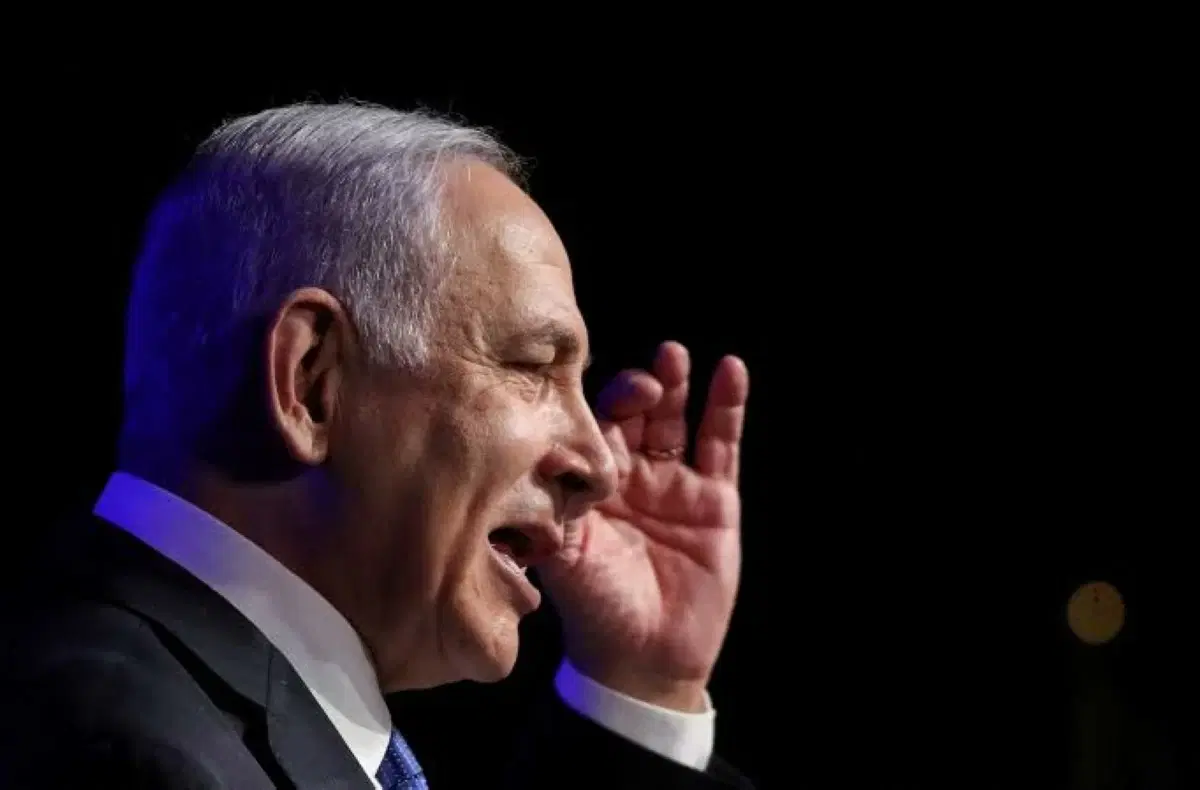
On the eve of the elections, the map of alliances clearly leans towards the right and the far right, while a tie looms over the scene between the two main blocs, in parallel with a strategic crisis within the opposition, and the absence of a clear political agenda, especially towards the Palestinian issue, signed agreements, and the political horizon, and what the opposition considers reform of what the right-wing government led by Netanyahu has corrupted.
Most Israeli opinion polls published before the elections indicate a near tie between Netanyahu's bloc and the opposition led by the «Yesh Atid» party led by Gadi Eizenkot. According to a poll published by «Maariv» newspaper on October 2, Netanyahu's bloc is expected to get 51 seats against 53 seats for the opposition, while Arab parties get 13 seats.
In reading the scene, the writer in «Maariv» Ephraim Ganor directs direct criticism at the opposition, considering that it does not have a clear strategy, political line, or even an electoral agenda capable of competing with the government.
He believes that pressing issues resulting from government failures pass before the opposition without real answers, while Netanyahu succeeds in imposing the general agenda according to what serves him electorally, so the opposition is content with responding to his steps instead of initiating and leading the political discussion.
Uzi Bracha in «Haaretz» describes the scene three weeks before the elections as almost decided by most voters, noting that Netanyahu, who is skilled in managing electoral battles, has chosen a short slogan targeting his rival Eizenkot, accusing him of «going with the Arabs». Thus, Bracha believes that the electoral battle revolves mainly around fear and incitement, not around a political vision or a program to end the conflict.
Bracha calls on the Change Camp to mobilize the masses in a manner similar to «Galant Night»in reference to the mass protests that Israel witnessed in 2023 against the judicial reform, but the call does not come with a clear political proposal for after the elections. The goal is to push voters to the polls, without presenting a clear vision regarding the two-state solution, the implementation of signed agreements, the reconstruction of Gaza, or launching a new political path.
In the same context, «Ynet» analyzes the state of stagnation that dominates the polls, noting that the opposition does not dare to clash with Yair Golan, while the coalition does not dare to confront Itamar Ben Gvir, and both sides are waiting for the undecided voter to do what they fear to do, that is «liquidating the parties».
This equation reveals an electoral paradox; the leaders of the two blocs agreed to expand the voter base, but their refraining from attacking each other may lead to the opposite result. The bloc that wants to attract votes from the right needs to reassure these voters that it will be able to set limits for Golan, not be a partner to him. In the end, the undecided voter is left with a political scene that does not provide him with a clear answer to the most important question: What will he actually vote for?
The most pressing question remains: Why did the catastrophe of October 7 and the subsequent failures not lead to the overthrow of the government?