Iraq.. Airlines resume Najaf flights to Iranian airports
Agencies2 min read
Share
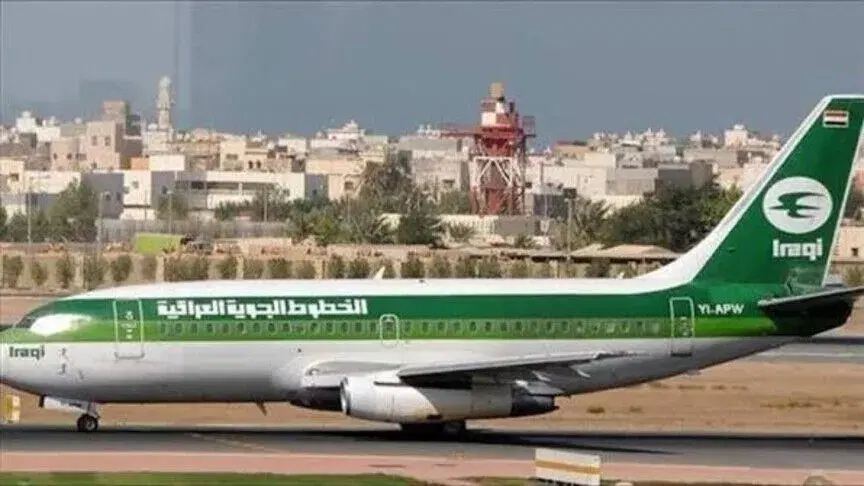
Iraqi Airlines resumed flights between Najaf, central Iraq, and Iranian airports on Monday, following intense efforts by Prime Minister Ali Faleh Zaidi.
This was stated in a brief statement published by the official Iraqi News Agency (INA), without further details, and without immediate comment from Iranian authorities.
Earlier on Monday, the Iraqi Ambassador to Iran, Yasir Abdul Zahraa Al-Hajja, said that Najaf International Airport in central Iraq would open its doors to Iranian flights within 24 hours.
INA quoted Al-Hajja as saying that the Iraqi government, headed by Zaidi, is making continuous efforts to resume air flights between Iraq and Iran.
He explained that the Iraqi government had not issued a decision to stop flights with Iran, but foreign ground services companies had refrained from providing their services due to fear of US sanctions.
A few days ago, US Treasury Secretary Scott Bisnett announced that the activities of Iranian airlines would be halted globally starting from September 23, 2023, due to sanctions imposed on Iran.
Following the US decision, flights between Tehran and Baghdad were canceled, according to Iranian media.
This comes after the Iraqi government announced last Saturday that it is conducting 'direct dialogue' with the US side to exempt some Iraqi airports from the measures taken by the US Treasury regarding flights of Iranian airlines to airports in the region.
The government said that the exemption it is seeking aims to allow the resumption of air flights 'for humanitarian reasons, related to treatment, study, religious visits, and civilian interests'.
On February 28, 2026, the United States and Israel waged a war on Iran that left thousands dead, and Tehran retaliated with attacks on Israel and sites in regional countries.
Later, the United States launched attacks on sites in Iran amid the stalled negotiations between the two countries, despite signing a memorandum of understanding in mid-June 2026.
The stalled negotiations come amid disagreements over navigation in the Strait of Hormuz, which is one of the most important strategic corridors for global energy and commodity supplies.