Hassan's Government.. Two Years of Achievement and Modernization Paths
Call to link government projects with announced goals and timelines
Amman4 min read
Share
Experts: Continue reforms and simplify procedures for investors
Dr. Jafar Hassan's government enters its third year amidst reform paths aimed at modernizing the economy and public administration, improving government services, and enhancing development in the governorates, amid challenges related to job opportunities, the cost of living, and the extent to which government projects reflect on citizens' lives.
Two years after the government's formation, evaluating government performance is no longer limited to the number of decisions taken or projects announced; rather, it has become linked to the ability to translate plans into tangible results that contribute to improving the quality of services and strengthening citizens' trust in public institutions.
There is no doubt that the rise in trust in government performance is linked to the government's ability to turn decisions into tangible results that the citizen feels in their daily life, in terms of providing job opportunities, improving public services, easing living burdens, and distributing opportunities.
In this context, Dr. Jafar Hassan's government appears to be facing an ongoing test whose main title is: How can government performance be transformed into sustainable trust among citizens?
The issue of trust gains special importance as the government enters its third year, in light of economic, social, and regional challenges that force it to achieve a delicate balance between the requirements of financial stability, continuing modernization programs, and responding to the daily needs of Jordanians.
Furthermore, the rise in some indicators does not mean the end of challenges, but rather places the government before the responsibility of maintaining and enhancing trust, especially in files that affect the standard of living, employment, and services provided.
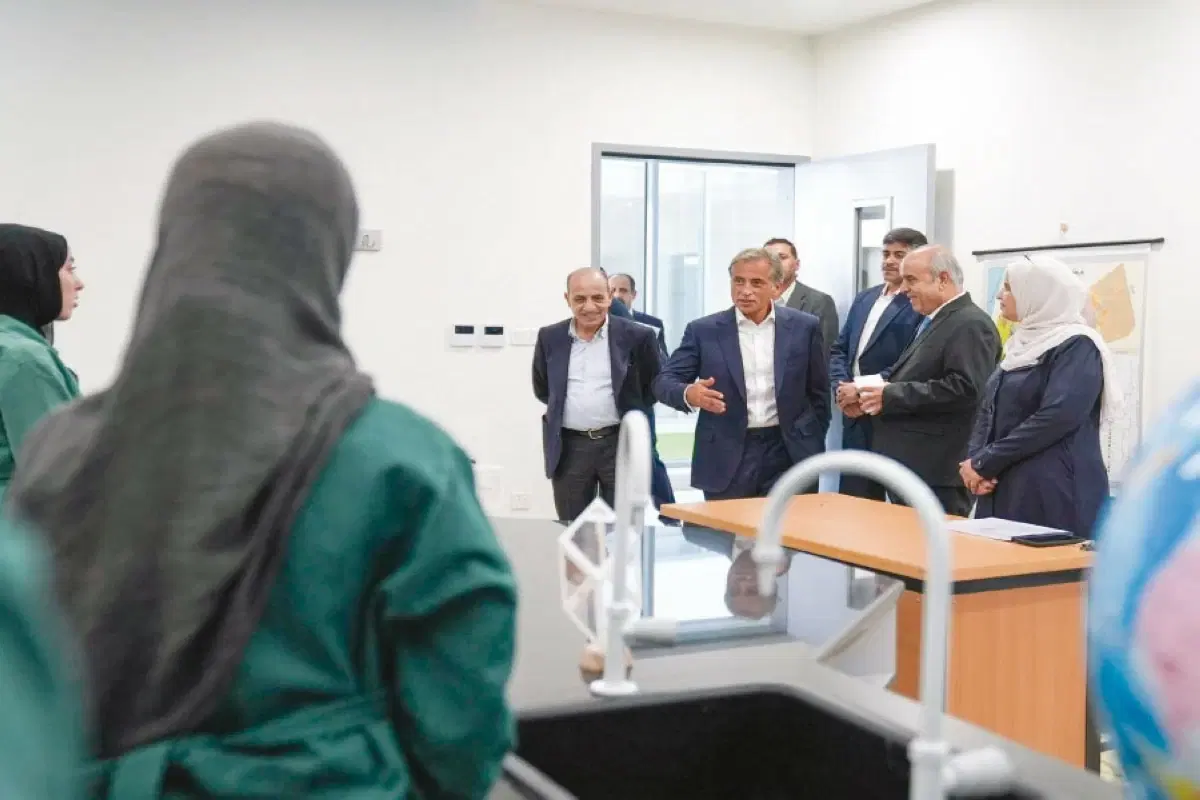
The Prime Minister has adopted field visits to governorates and public facilities as an approach to government work, in an attempt to identify citizens' needs and follow up on the implementation of projects. Government interventions on the ground have included various sectors, such as health, education, vocational training, tourism, and social welfare, including projects to build and rehabilitate schools, develop health and vocational centers, and provide support to productive facilities.
Official figures also provide an indicator of the volume of field follow-up, yet the success of field visits is measured by the sustainability of solutions, adherence to timelines, and addressing the problems that concern citizens.
The economic aspect remains one of the most prominent files influencing the relationship between citizens and the government. Regardless of the importance of reform plans and programs, their reflection on job opportunities, income, and the ability to meet basic needs remains a key criterion in evaluating overall performance, alongside the government's continued implementation of the Economic Modernization Vision, stimulating investment, and addressing challenges associated with the high cost of living and unemployment.
Researcher and management expert Dr. Ziad Al-Wureikat said that the outcome of the first two years of Jafar Hassan's government reveals important work paths focused on economic modernization, public administration development, service improvement, expansion of development projects, and social protection, pointing out that published data show the existence of projects completed and others under implementation, which makes performance evaluation linked to actual progress in implementation.
He added that the priority in the coming phase is to translate programs into tangible results that the citizen feels, through increasing job opportunities, improving services, and enhancing development in the governorates. He pointed out that the most important test facing the government is the amount of change it has brought about in the lives of citizens, and its ability to achieve a balance between financial stability and social needs, and between long-term investment and the daily demands of citizens.
For his part, analyst and economic expert Dr. Akram Khulaif believes that evaluating the economic achievements of Dr. Jafar Hassan's government is based on the extent to which the success of government policies and programs reflects on the lives of citizens, and its ability to stimulate economic growth and attract investments.
He pointed out that the importance of government efforts lies in moving from managing economic challenges to building a sustainable development model based on investing in available opportunities, strengthening partnership with the private sector, and directing investments toward productive sectors capable of creating new job opportunities.
He added that the next phase requires continuing economic and administrative reforms, simplifying procedures for investors, and enhancing national exports, with the need to achieve a balance between maintaining financial stability and expanding the social protection umbrella.
He noted that Dr. Jafar Hassan's government has an opportunity to enhance trust by building on what has been achieved in field work, expanding the scope of publishing achievement indicators, linking government projects with clear goals and announced timelines, and developing tools to measure citizen satisfaction with services.