Haddadin to "Alrai": Flying vehicles impose safety and infrastructure challenges in Jordan
Amman5 min read
Share
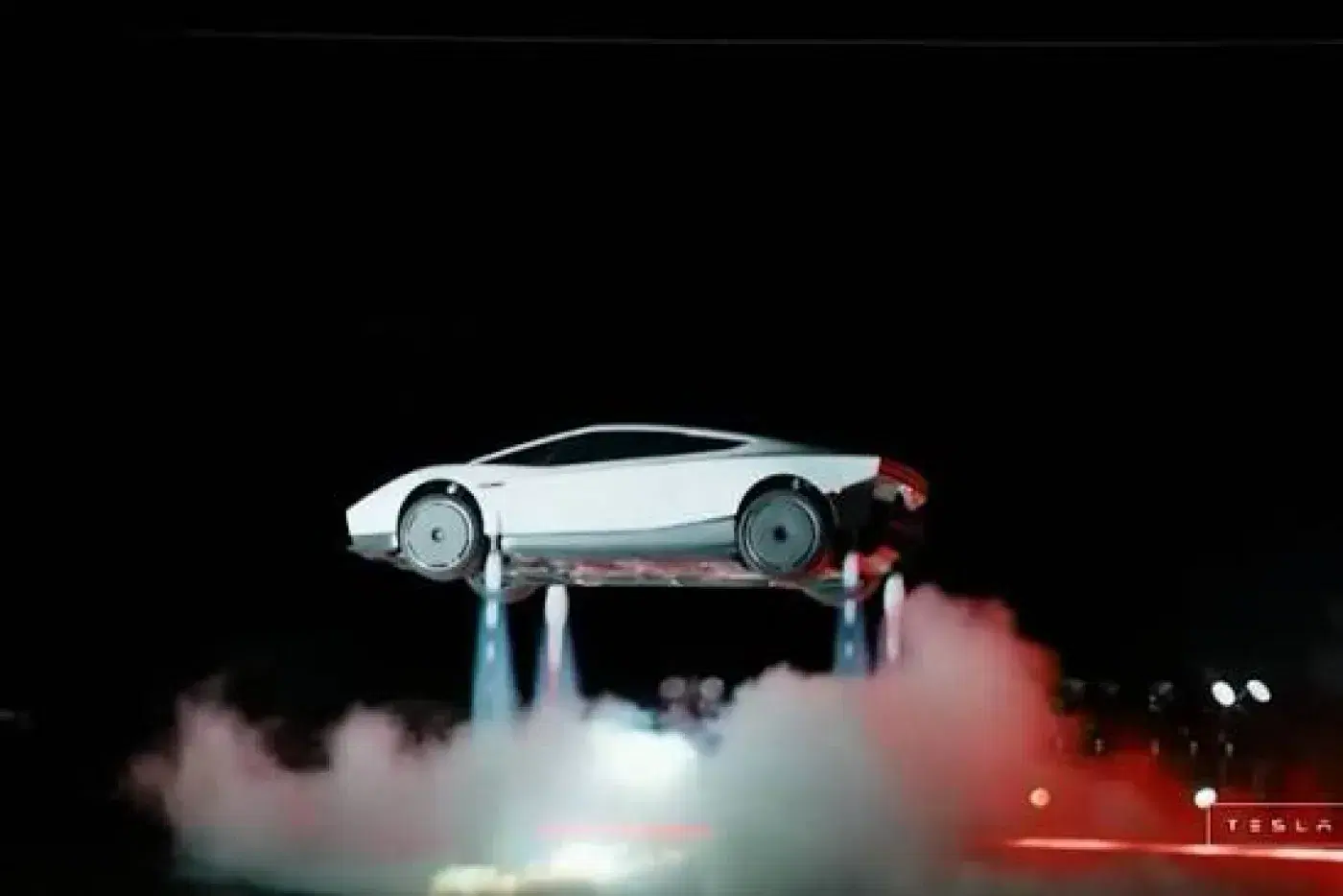
Transportation and traffic engineering specialist Engineer Khaled Haddadin said that the use of flying vehicles over cities imposes challenges related to the safety of passengers and citizens, the readiness of infrastructure, and the regulation of air traffic, pointing out that the vehicle's ability to lift off the ground and perform short aerial maneuvers does not necessarily mean it is ready for daily transport or that it can be used as a solution to traffic congestion.
Haddadin added that evaluating these vehicles requires distinguishing between models capable of performing limited jumps or aerial maneuvers, and vehicles certified for safe and continuous passenger air transport, explaining that some technologies presented rely on thrusters that release compressed air to generate lift and control movement for short periods, which differs from electric aircraft with propellers designed for air transport.
He explained that the most prominent potential risks include falling onto residents and buildings, colliding with wires, towers, and obstacles, and interfering with the movement of aircraft and drones, in addition to the impact of wind, poor visibility, and control errors.
He pointed out that the risks are not limited to the vehicle's passengers, but extend to citizens located below its path, as well as the possibility of stirring up dust and throwing gravel and debris due to thrust currents during takeoff and landing, and the noise and effects that may accompany this in residential neighborhoods.
Haddadin emphasized the necessity of subjecting these vehicles to aviation safety standards, in addition to the necessary regulatory and operational requirements, and not being satisfied with car safety requirements, pointing to the importance of assessing the risks that people and property on the ground may be exposed to.
Regarding the readiness of Jordanian infrastructure, he indicated that the current road network is not designed for takeoff and landing, and that streets and building rooftops cannot be considered suitable sites for operation without specialized studies and certifications.
He pointed out that Amman's geographical nature, including its mountainous terrain, urban density, and varying building heights, increases the complexity of selecting operating sites, flight paths, and emergency landing areas.
He explained that introducing this type of vehicle does not necessarily require rebuilding the entire road network, but it does require developing a specialized and integrated system that includes certified helipads, obstacle-free approach and departure paths, air traffic management systems, and facilities for energy, maintenance, firefighting, and rescue, in addition to connecting helipads to the ground transport network.
He added that operation requires clear frameworks for licensing, insurance, and flight regulation, and coordination between the Civil Aviation Regulatory Commission and municipal, traffic, and security authorities, stressing that the existence of trends to develop advanced air mobility does not mean operational readiness is complete or that the use of these vehicles over cities is currently permitted.
Regarding the risks of malfunctions, Haddadin explained that a loss of lift or control could lead to serious or fatal injuries, damage to buildings and facilities, and traffic accidents as a result of the vehicle or its debris falling, in addition to the possibility of a fire breaking out after impact.
He pointed out that the severity of a malfunction depends on the vehicle's design, its backup systems, and its ability to handle emergencies, emphasizing the necessity of proving its ability to continue flying when possible or reach a safe landing, while identifying alternative locations and establishing clear emergency response plans.
He indicated that low altitude does not necessarily guarantee safety, as it may reduce the time available to deal with a malfunction before an accident occurs, which requires precise testing of control and lift systems and emergency procedures before allowing operation in populated areas.
In the context of global developments, Haddadin pointed out that air mobility projects take various forms, including vehicles that combine driving and flying, others that are land-based and carry a separate flight unit, in addition to electric aircraft dedicated to air taxi services that do not travel on roads.
He explained that these projects differ in their stages of development, between testing, starting manufacturing, obtaining type or production certifications, and commercial operation licensing, emphasizing that these stages do not mean the same thing, and it is not permissible to consider the start of manufacturing or conducting test flights as evidence of the completion of commercial operation requirements.
He expected that the use of vehicles and aircraft dedicated to air mobility will expand in the future through organized services connecting certified locations, operating under the supervision of specialized operators, before reaching widespread individual use.
Regarding the possibility of benefiting from them in Amman, Haddadin believed that this type of mobility might be worth studying for specific services in the future, but it does not constitute a comprehensive solution to traffic congestion in the foreseeable future, explaining that reducing travel time for a limited category of users does not necessarily mean improving the city's traffic as a whole.
He stressed that the priority in Jordan must remain on developing public transport, organizing intersections and parking, improving pedestrian movement, and managing mobility demand, in parallel with studying new technologies according to safety requirements, economic feasibility, and the actual needs of cities.