Gaza launches a program to train surgeons specialized in reconstructive war surgery
Amman5 min read
Share
The Ministry of Health in the Gaza Strip is seeking to rebuild the specialty of plastic and reconstructive surgery, following a decline in the number of specialized doctors during the war and the rising need for complex surgical interventions to treat severe burns, limb injuries, and life-threatening wounds.
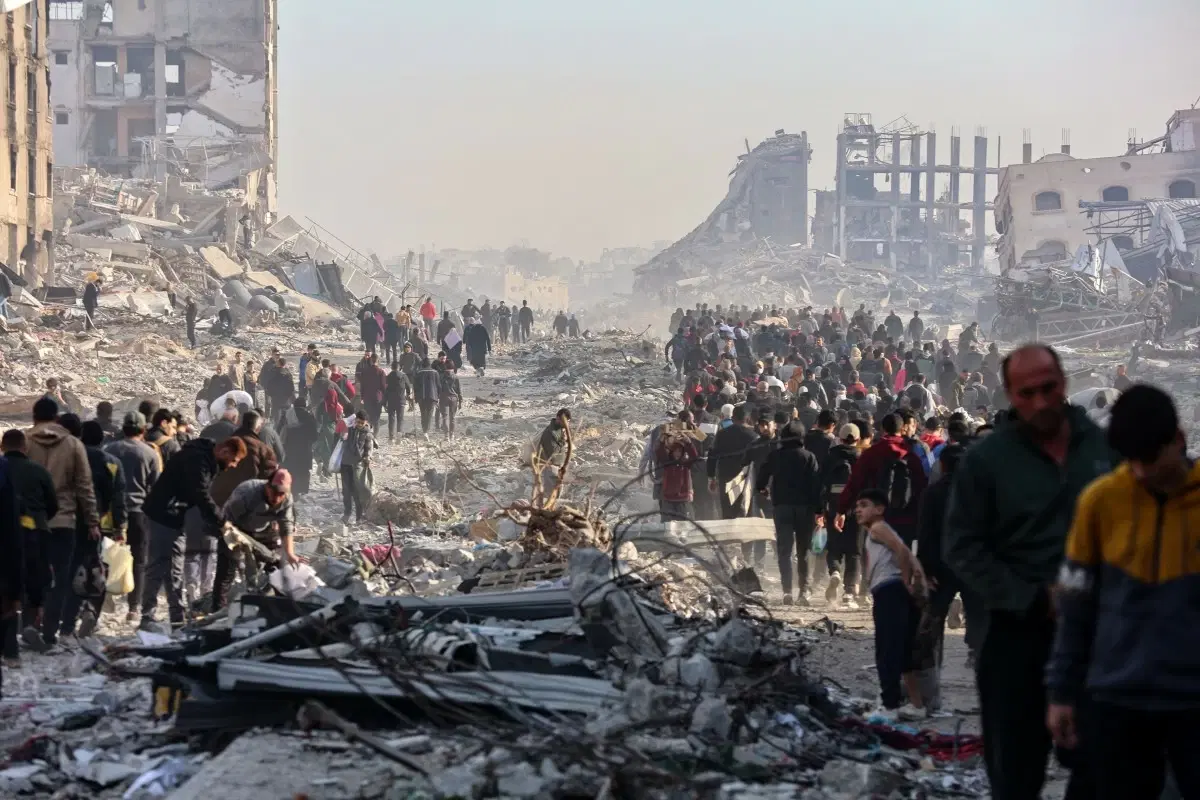
This comes in light of significant pressures facing hospitals, including a shortage of medical staff and surgical supplies, and a decline in the ability to provide specialized care, which prompted Palestinian doctors inside and outside the Strip to work on launching a training path aimed at preparing surgeons capable of dealing with injuries resulting from conflicts.
Decline in staff and rise in burn-related deaths
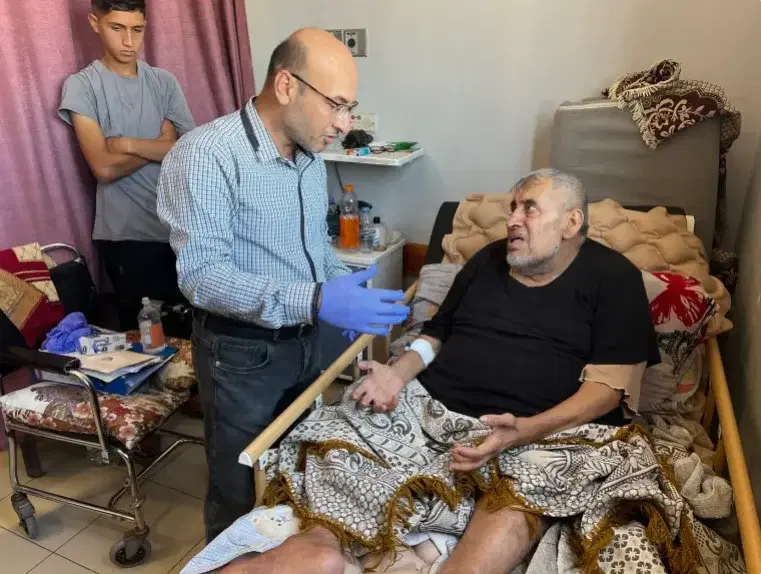
The head of the Plastic Surgery and Burns Department at Al-Shifa Medical Complex, Dr. Bassam Al-Masry, said that the number of doctors working in this specialty before the war ranged between 8 and 12, before the number of those able to work in northern Gaza Strip hospitals dropped to about 3 or 4 doctors, as a result of hospitals going out of service and the difficulty of moving between northern and southern Gaza.
Al-Masry explained that doctors faced large numbers of casualties at a time when available resources were not commensurate with the scale of needs, especially in cases of extensive burns and injuries that lead to exposed bones and tendons.
According to Al-Masry, the mortality rate among patients with burns covering 20% to 30% of the body surface area rose from about 3% before the war to nearly 70% during it.
He pointed out that hundreds of casualties who survived the initial shelling and injuries died later as a result of wound complications and infections, in light of the shortage of antibiotics, antiseptics, and infection control supplies, in addition to malnutrition and a lack of specialized staff.
Al-Masry estimated that between 30% and 50% of injuries during the war required, to varying degrees, the intervention of plastic and reconstructive surgery specialists, noting that some cases require early intervention to protect tissues and bones and reduce the risks of infection, amputation, and death.
Restoring plastic and reconstructive surgery services
At Al-Shifa Medical Complex, efforts have begun to rehabilitate services that were suspended during the war, including cleft palate and lip surgeries for children, in parallel with preparations to reopen and restore the burns department, which was one of the main specialized units in this field in Palestine before it was destroyed during the war.
However, restoring services is not limited to repairing and equipping departments, as health institutions face the challenge of compensating for the shortage of specialized doctors, a process that requires years of training and qualification.
A training project with Palestinian and international expertise
In this context, Palestinian doctor Ahmed Mufid Al-Mokhallalati, the former head of the Plastic Surgery Department at Al-Shifa Hospital and currently residing in Britain, is working on developing a training model that suits the conditions of the Strip and the difficulty of access for experts and Palestinian doctors residing abroad.
The project relies on combining clinical training inside Gaza with distance learning, and utilizing Palestinian, Arab, and international expertise through medical visits, consultations, and e-training.
According to Al-Mokhallalati, the vision includes organizing visits for about 20 international and Arab experts, including Dr. Ghassan Abu-Sittah, Dr. Victoria Rose from London, and Dr. Hamad Al-Jaber from Qatar.
The model aims to transfer expertise to local doctors and enable them to continue working after the medical visits end, rather than relying on temporary surgical delegations to address the growing needs.
Specialized fellowship in conflict injury surgery
The Ministry of Health in Gaza announced the start of registration for the "Fellowship in Plastic and Reconstructive Surgery in Conflict Zones" program, with the aim of preparing surgeons capable of dealing with complex injuries resulting from wars.
Al-Mokhallalati said that the program is supported by the Conflict Medicine Program at the American University of Beirut, with efforts underway to align with the Royal College of Surgeons in Ireland.
In its first phase, the program targets doctors who hold a board certification in general surgery or orthopedic surgery, with training extending for 3 years according to a system that combines practical training, distance learning, and benefiting from experts outside the Strip.
According to Al-Mokhallalati, the program aims to train 7 doctors in its first year, with the possibility of adding 3 or 4 trainees annually in subsequent stages, according to available resources.
Those in charge of the project are betting that the program will gradually contribute to increasing the number of plastic and reconstructive surgeons in Gaza, and building local staff capable of dealing with complex injuries and meeting the growing needs.
Challenges hindering the rebuilding of the specialty
The initiative still faces challenges related to the difficulty of doctors and experts entering the Strip, the shortage of specialized surgical tools, and the restrictions that hinder the purchase of supplies and the provision of necessary funding.
Al-Mokhallalati pointed out that some international institutions are hesitant to deal with projects linked to Gaza, which adds obstacles to efforts to rebuild the specialty.
Despite these challenges, those in charge of the program are counting on the cooperation of health authorities in the Strip and the willingness of local and expatriate doctors to exchange expertise, which supports the continuity of specialized surgical services and reduces reliance on temporary medical interventions.