
Medical staff alleviate patients' suffering amidst the crisis
People of the Strip: Jordanian hospitals are a medical and humanitarian pillar
Follow Al Rai

"The Jordanian Field Hospital".. care and hope in the heart of the Strip's suffering
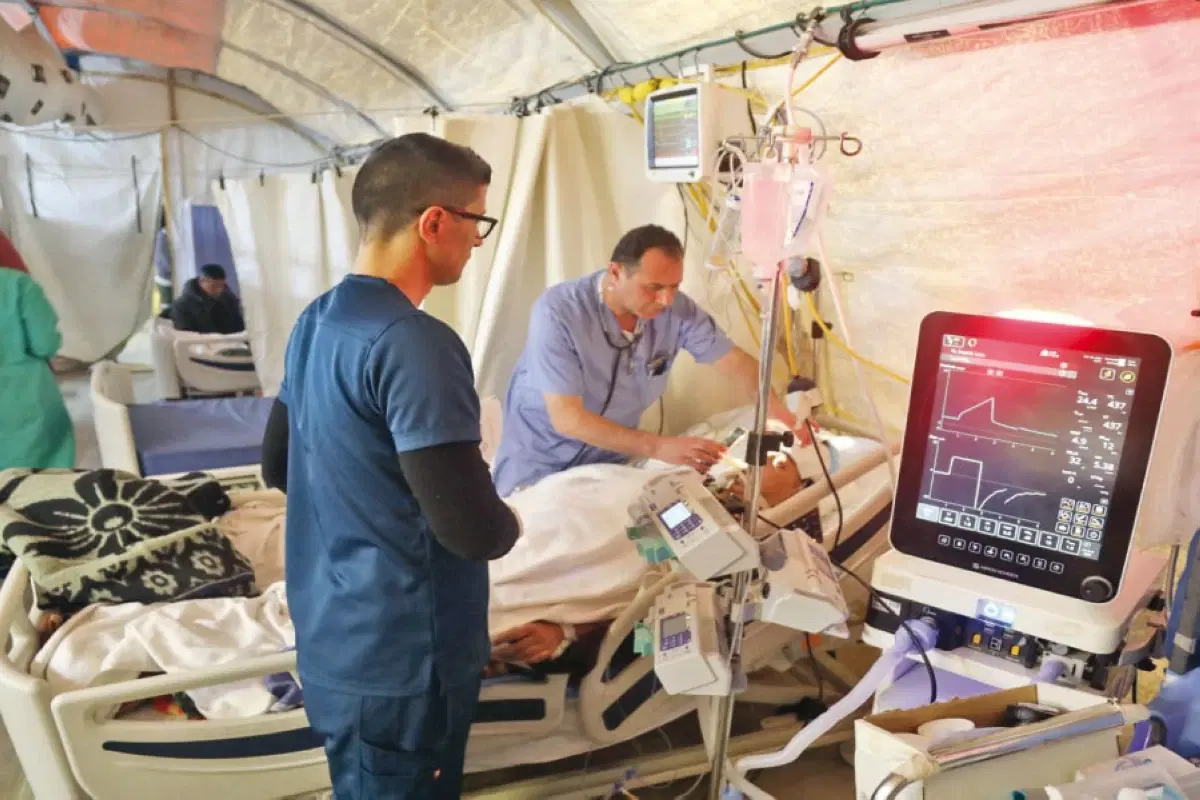
Medical staff alleviate patients' suffering amidst the crisis
People of the Strip: Jordanian hospitals are a medical and humanitarian pillar
Calls to continue the Kingdom's efforts in supporting Palestinians
In the Gaza Strip, where humanitarian suffering is worsening and challenges facing the health sector are increasing, the role of the Jordanian Field Hospital stands out in providing medical care, medicines, and examinations to patients at a time when difficulties in obtaining treatment are growing.
The importance of these services is not limited to the medical aspect, but extends to the psychological support and sense of care and reassurance they provide, according to testimonies from a number of citizens who have undergone treatment experiences at the hospital.
Testimonies from citizens in various areas of the Strip, including Sheikh Radwan, Al-Shati Camp, Beit Lahia, Khan Yunis, and Deir al-Balah, reflect aspects of the impact of the services provided by the Jordanian Field Hospital, starting from providing medicines and conducting examinations, to the warm reception of patients and the speed of responding to their needs, in light of extremely difficult health and humanitarian conditions.
Nevin Nabil, from the Saftawi area, tells (Alrai) that the Jordanian Field Hospital represents an important source for obtaining essential medicines, including antibiotics, allergy medications, and blood pressure pills, in light of the severe shortage of medicines and the difficulty of providing them in the Strip.
She explains that the services provided by the hospital allow patients the opportunity to obtain the necessary treatment and contribute to alleviating part of their suffering, noting that its presence enhances her sense of safety and gives her hope in obtaining the care she needs, and that its absence would have increased the difficulty of accessing treatment.
From Al-Shati Camp, Tariq recalls his experience with the hospital, stressing that its role is not limited to providing healthcare, but includes attention to the psychological and humanitarian aspects that accompany the treatment journey.
He says that the warm reception by the medical staff, their smiles, and their care for patients left a clear impact on him, especially in light of the harsh conditions experienced by the residents of the Strip.
Tariq sends a message of appreciation to the medical staff, calling for the continuation of their efforts in providing care and standing by the Palestinian people, describing the hospital as "the hospital of competencies, the hospital of angels, and the hospital for treating patients," in an expression of his appreciation for the medical and humanitarian services it provides.
As for Yahya, from the Sheikh Radwan area, he recounts that he was suffering from severe fatigue and chest pain before visiting the hospital, where the medical staff received him, performed the necessary examinations, and provided the required treatment, according to him.
Yahya expresses his satisfaction with the level of care he received and the way he was treated, noting that the warm reception and care contributed to leaving a positive impression on him, and emphasizing the importance of providing medical services to patients in light of the pressures facing the health sector in Gaza.
Khaled Matar, from Al-Shati Camp, confirms that the presence of the ((Jordanian Field Hospital)) gains special importance in light of the severe shortage of health services and the destruction of a number of hospitals in the Strip.
He explains that the hospital provides therapeutic services that residents need, including treatments that are difficult to obtain in other health facilities, which makes it an important source of care for many patients.
Matar adds that obtaining treatment reflects positively on the patient's psychological and physical state and helps them face their health conditions, pointing out that the absence of the hospital would have made accessing medical services more difficult in light of the limited options available.
Also from Al-Shati Camp, Mohammed Al-Sayed praises the efficiency of the hospital staff and their attention to the needs of patients, noting what he witnessed upon his arrival at the reception department regarding the keenness to receive visitors, deal with cases according to their needs, provide first aid, and follow up on patients with professionalism and responsibility.
Al-Sayed expresses his appreciation for the continued work of the Jordanian medical staff despite the bombing, destruction, and harsh humanitarian conditions, emphasizing the importance of their role in providing healthcare and supporting the people of the Strip.
For his part, Assem Shehadeh, from Al-Shati Camp, points out that the humanitarian role of the hospital goes beyond medical treatment to include, as he describes it, humanitarian aid and community services.
He says that what remained in his memory from his experience is the care for the patient, the warm reception, and the provision of necessary care, considering that these aspects reflect the staff's keenness to perform their mission responsibly.
Shehadeh extends his thanks to the doctors, nurses, and workers at the hospital, valuing their efforts in serving the people of the Strip, and expressing his gratitude to the Jordanian people for their support and backing of the Palestinians. He summarizes his impression of the hospital experience in two words: "Mercy and humanity."
Intisar Mohammed Shehadeh, from Al-Shati Camp, talks about the care she received since arriving at the hospital, noting the warm reception and the speed of taking the necessary measures to provide medical care.
She confirms that receiving treatment and care contributed to her feeling of relief and reassurance, valuing the efforts of the medical staff and their keenness to meet the needs of patients.
In the same context, Samer Al-Sarsak, from Beit Lahia, praises the medical and humanitarian role of the hospital, confirming that its presence constitutes an important pillar for the people of the Strip in light of the difficult health conditions.
He says that providing medicines and treatment, receiving patients, and caring for them reflects the keenness of the Jordanian teams to help citizens and alleviate their suffering.
Al-Sarsak expresses his thanks to Jordan, leadership and people, for standing by the people of Gaza, valuing the dedication of the hospital workers and the care they provide, and confirming that their presence gives citizens hope and the feeling that they are not alone in facing difficult circumstances.
For his part, Khader Hassouna, from the Karama area, valued the warm reception and treatment that visitors receive, noting that the attention of the medical and nursing staff to patients and listening to their needs gives them a sense of reassurance, in addition to the therapeutic services they receive.
Hassouna confirms that the humane treatment and respect shown by the staff reflect the level of responsibility they possess, extending his thanks to Jordan for its support and backing for the people of Gaza, and to the hospital teams for the treatment, care, and kind words they provide that alleviate the burden of the conditions the patients are living through.
Ahmed Dawla, from the Al-Nasr area, says that the hospital plays an important role in providing healthcare to the people of the Strip, especially in light of the pressures facing the health system and the constant need for treatment, medicines, and medical supplies.
He adds that the importance of the hospital is not limited to providing treatment, but includes following up on medical cases, dealing with visitors, and meeting their needs, stressing the necessity of continuing its work and enhancing its capabilities, which contributes to alleviating health burdens on citizens.
Tariq Nasser, from Al-Shati Camp, also praises the efforts of the Jordanian teams in providing care to patients and the injured, confirming that the presence of the hospital carries great humanitarian importance at a time when citizens need more medical support.
He points out that good treatment and care for the patient represent a fundamental aspect of the quality of healthcare, expressing his hope for continued Jordanian support and the provision of necessary medical supplies.
From Khan Yunis, Ahmed Kahil expresses his appreciation for the medical and humanitarian efforts provided by the hospital to the people of the Strip, noting that providing treatment, medicines, and receiving medical cases represents an important aspect of the support that the residents need.
He confirms the importance of continuing the hospital's work and providing its medical needs to enable it to continue providing services to patients and the injured.
In Deir al-Balah, Mohammed Baraka valued the treatment and healthcare provided by the "Jordanian Field Hospital," noting that caring for patients, receiving them well, and dealing with them leaves a positive impact on citizens and confirms that healthcare combines medical competence with humanitarian care.
Baraka calls for continued medical and humanitarian support and the enhancement of necessary supplies, confirming that the hospital's remaining in the field represents great importance to the residents who need its services.
Mahmoud Fleifel, from the Shuja'iyya neighborhood, confirms that the ((Jordanian Field Hospital)) constitutes a glimmer of hope for the people of Gaza in light of the harsh humanitarian and health conditions, considering that its continued presence goes beyond providing treatment to embodying a brotherly and humanitarian stance that makes the Palestinian citizen feel that they are not alone in facing suffering.
Fleifel valued the care provided by the Jordanian medical teams to patients and the injured, and the attention and warm reception they show, noting that these efforts leave a great impact on the souls of the citizens, despite the difficulty of the situation and the increasing health needs.
He extended his thanks to Jordan, leadership and people, for its continuous support, expressing his hope for the continuation of the hospital's work and the provision of the medicines and medical supplies it needs.
In turn, Abdullah Abu Mazyad, from Gaza, highlights the humanitarian impact of the hospital, confirming that its value is not limited to medical services, but includes what its presence embodies of brotherhood and solidarity at a time when Palestinians need someone to share the burdens of life with them and alleviate the harshness of circumstances.
Abu Mazyad says that the stances of Jordan, led by King Abdullah II, and what it provides to the people of the Strip will remain present in their memory, noting that receiving the patient with care and providing them with attention reinforces the feeling that humanity is still present despite the suffering.
He stressed the importance of continuing medical support and providing the necessary medicines and supplies to ensure the continued provision of services to patients and the injured.
These testimonies, despite the varying experiences and regions of their owners, reflect the importance of the services provided by the Jordanian hospital in meeting some of the health needs of the Gaza Strip's residents, ranging from providing medicines, conducting examinations, and offering treatment, to medical follow-up and the respectful treatment of patients.
In light of the exceptional challenges facing the health sector, these services gain additional importance due to their connection to daily needs that affect the lives and health of the residents, at a time when difficulties in accessing medical care are increasing.
According to those who provided testimonies, the hospital's impact does not stop at the limits of treatment, but extends to the sense of care, reassurance, and hope it gives patients, making medical care in these difficult circumstances a form of humanitarian support that the people of the Strip need.
Know more about this story?Send us a tip
Ask about this report — answers stay grounded in its text.




