In this context, experts and specialists emphasize the existence of multiple untapped areas that can be utilized to maximize the volume of accumulated rainwater.
Consultant for entrepreneurship, establishment, and development of small projects and President of Rahma for Project Management and Development, Khawla Al-Mazari, pointed to the importance of concerned authorities exploiting large residential and service areas, such as rooftops of schools, government buildings, and public institutions, by implementing water harvesting projects that ensure the creation of large collective wells that allow the absorption and storage of large quantities of rainwater falling on them.
She also called for the need to expand the construction of dams and water excavations, and to activate regulatory requirements for obtaining new building licenses, so that every new building is required to establish a water well dedicated to collecting rainwater within the approved specifications, alongside the concerted efforts of official bodies to support household water harvesting projects, which contributes to enhancing national water security.
For his part, researcher in green economy and director of the 'Extab' Center for Sustainable Development, Mazen Abu Qamar, stressed the importance of expanding the drilling of water wells inside homes, confirming that drilling a well whose capacity is equal to the household's consumption or at least half the value, directly contributes to providing water value and alleviating pressure on public networks, in addition to its role in reducing surface water runoff and benefiting from the diversity of natural resources.
Abu Qamar emphasized the necessity of making the license condition mandatory for granting work permits in new buildings with a water well dedicated to collecting water, to ensure compliance with licensing conditions and enhance water harvesting initiatives from rooftops and expand their scope to include urban communities.
For her part, President of the Climate Action Association, Duaa Al-Dirbani, called for expanding the concept of green buildings that link water levels to collection wells. Al-Dirbani recalled the importance of modern urban planning through the establishment of 'rain gardens' as one of the nature-based solutions to provide an integrated living system, alongside the development of modern water drainage networks that keep pace with large water quantities and green infrastructure, for using this non-potable water in agriculture, living, and cleaning works.
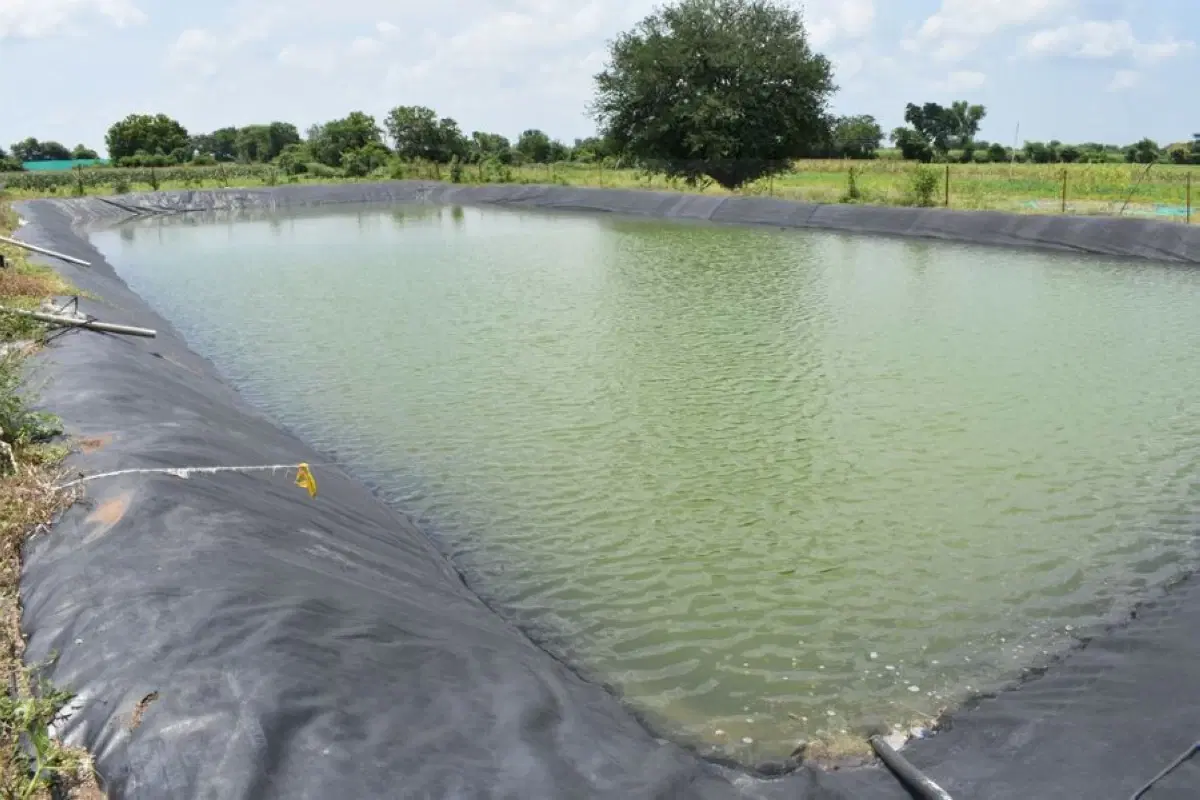
Dirbani also called for supporting agricultural pond projects and expanding the establishment of excavations and earthen barriers, in addition to establishing new dams and identifying locations with the greatest capacity for water quantities, while monitoring runoff channels to be a main tributary to groundwater wells, emphasizing the need for feeding sources and creating additional dams to support dams that overflow during the winter season.
In the same context, experts addressed the importance of the 'planted stone chains' 'planted gabions' technique in sloping areas and valleys, due to its significant role in reducing the severity of floods and providing water that can be used for irrigation and watering crops. They explained that this technique helps in reclaiming land by storing water in the soil and slowing down water runoff, which retains water within the soil and effectively contributes to restoring plant cover.