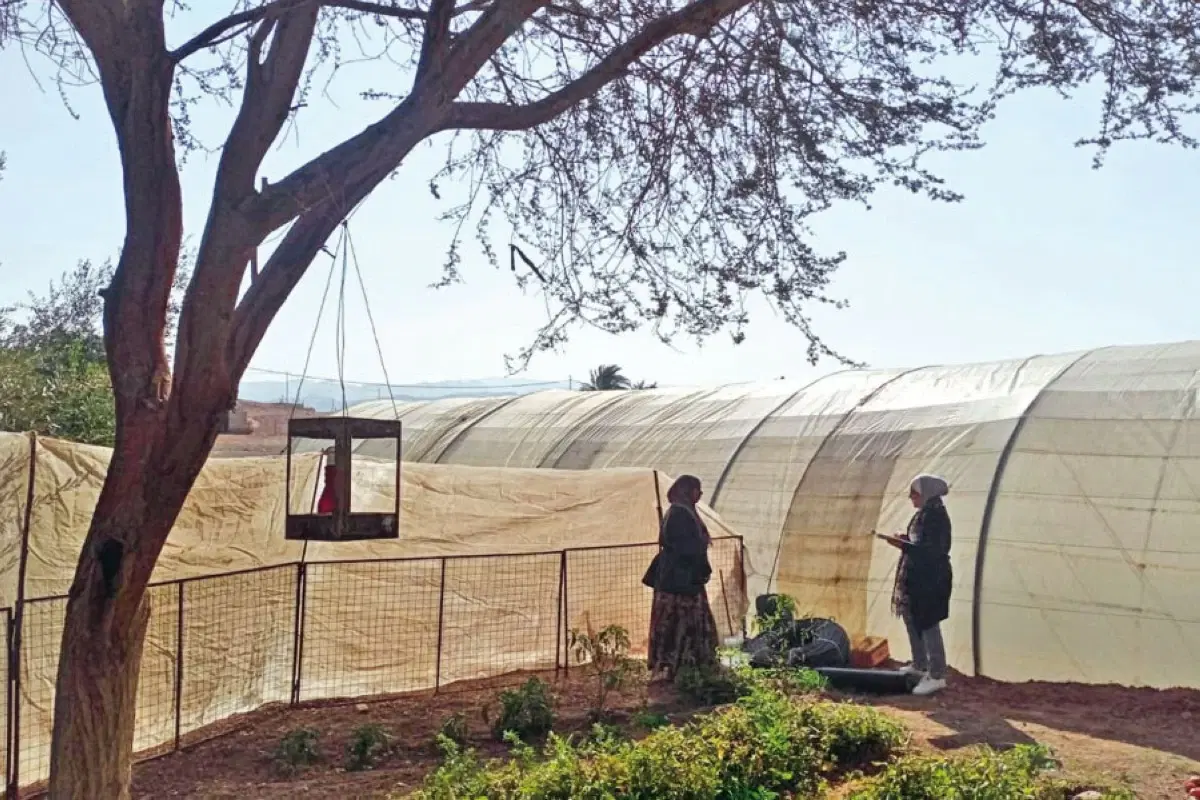
He indicated that the center supported 76 productive projects during 2025 and about 75 projects during 2026, bringing the total to 151 projects, in parallel with programs aimed at qualifying youth for the labor market through vocational training, on-the-job training, direct employment, and the development of digital skills, including graphic design and data management using artificial intelligence tools.
He pointed out that the center also works to enhance the capabilities of local associations and cooperatives in preparing, managing, and implementing initiatives, as 21 community initiatives have been carried out within the blue and green economy and technical sector programs, in addition to productive, cultural, sports, craft, and awareness initiatives in Aqaba, Al-Humayma, Disi, and Wadi Rum. The innovation bus activities have also reached more than 4,000 students through programs that foster critical thinking, creativity, and teamwork, and introduce participants to entrepreneurship, artificial intelligence, and robotics.
Ghunaimat explained that the Jordan River Foundation is implementing two projects in Aqaba that link economic empowerment with the protection of the marine environment and the promotion of sustainable job opportunities. The "Enhancing Innovation in the Blue Economy through Community Engagement and Entrepreneurship" project has carried out about 40 training rounds with the participation of 270 young men and women, while preparations are underway to incubate 42 startups through a specialized program in business development, mentoring, and capacity building.
As for the "Enhancing Livelihoods and Conserving Biodiversity in the Aqaba Coast" (EmBRACE) project, it is being implemented in partnership with the United Nations Development Programme (UNDP) and the Aqaba Special Economic Zone Authority (ASEZA), with support from the Government of Canada, and aims to develop vocational skills and support coral reef-friendly projects and nature-based solutions.
The project trained 160 participants in integrated coastal zone management, qualified 20 participants in a "train the trainer" program, trained 21 representatives from 8 local associations, and provided practical training opportunities for 76 university students for 8 weeks in cooperation with institutions and companies in Aqaba. The project received about 1,000 applications to participate in its activities and is preparing to launch a coral reef-friendly entrepreneurship program targeting 100 participants, developing 25 ideas or business plans, leading to the support of
5 projects with financial grants, in addition to developing
3 professional standards for blue economy sectors.
Ghunaimat emphasized that the most prominent challenges are limited funding, difficulty in accessing markets, high production and transportation costs, and the need to develop administrative and marketing skills, stressing that the sustainability of projects requires follow-up that goes beyond initial grants and combines training, technical support, marketing, and networking with the private sector.
He pointed out that the next phase focuses on expanding partnerships with hotels and tourism facilities to market local products and open new employment opportunities, enhancing digital and vocational skills, and expanding programs in Quweira, Disi, Wadi Rum, and Al-Humayma, in addition to measuring the impact of projects through created job opportunities, changes in beneficiaries' incomes, and the ability of projects to continue and grow.