In crises, the responsibility of the media is not limited to reporting the event, but extends to protecting the community's awareness from misinformation, strengthening trust in reliable information, and achieving a balance between the public's right to know and the requirements of security and investigation confidentiality, making the accuracy of information a national responsibility that takes precedence over journalistic scoops and chasing trends.
Media experts emphasized, in their interviews with "Alrai", that verifying information, relying on official sources, and confronting rumors represent fundamental pillars for professional coverage, and contribute to reassuring citizens and strengthening trust in national institutions during crises.
The Dean of the Faculty of Communication and Media at the Arab Open University, Dr. Faisal Al-Sarhan, said that media professionals play a prominent role in confronting rumors and limiting the spread of misleading information by verifying news sources and their validity before publication, educating citizens about the dangers of circulating news from unknown sources, and encouraging them not to repost information before ensuring its accuracy.
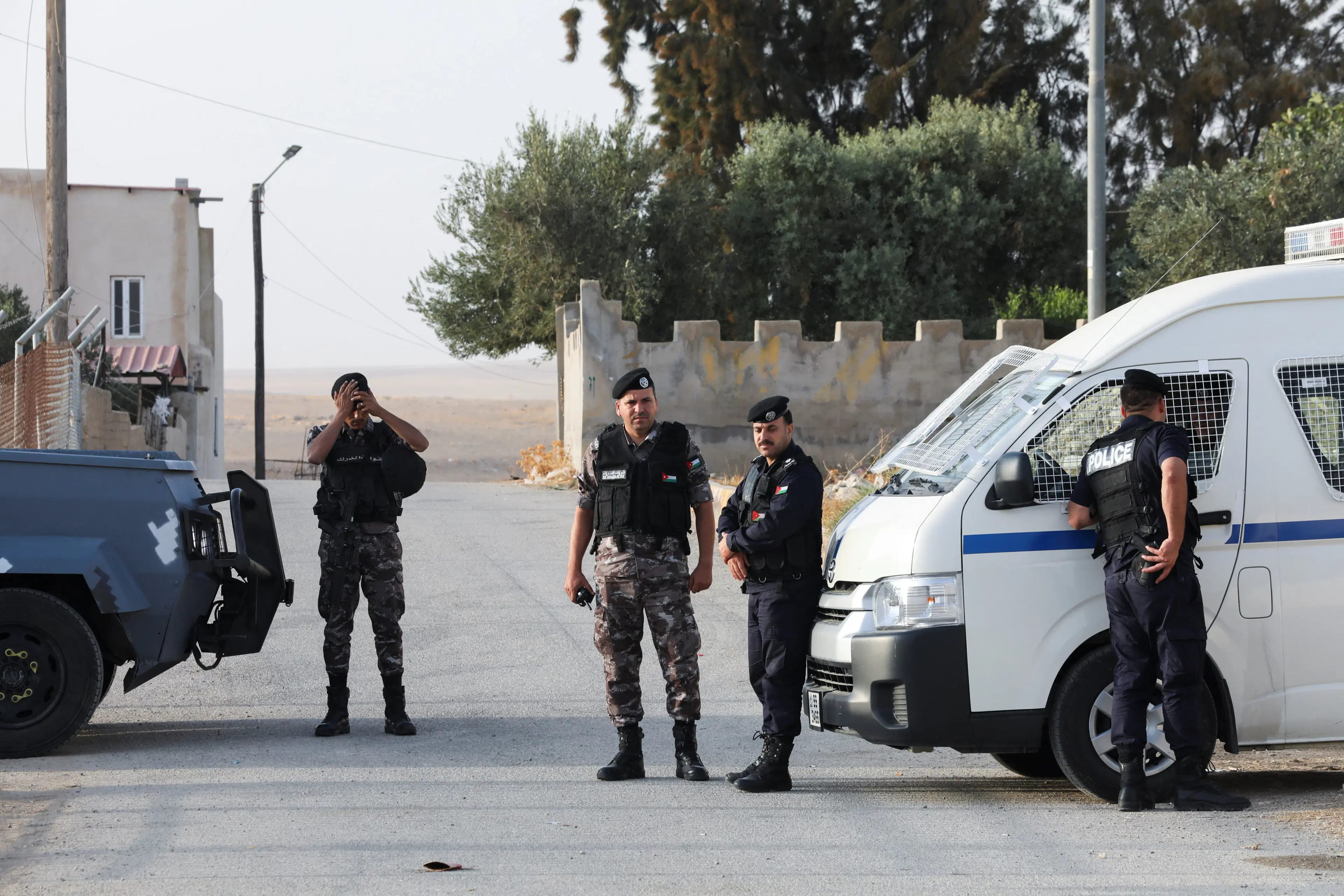
He added that Jordanian media coverage contributed to keeping citizens informed of developments, while the press conferences held by the Prime Minister, the concerned ministers, and the Director of Public Security provided an opportunity to clarify information related to the Hamoud Church incident and answer the public's questions, away from relying on news circulated without verification.
Al-Sarhan explained that this experience reflected the importance of integration between the media and official authorities in crisis management, as the speed of delivering reliable information contributes to reassuring citizens and strengthening trust in national institutions, stressing the need to adhere to accuracy and professionalism and to observe the confidentiality of investigations and the directives of Public Security and other agencies, in a way that achieves a balance between the public's right to know and national responsibility.
For his part, the Director of the Jordanian Media Credibility Monitor "Akeed", Dr. Barakat Al-Zyoud, said that responsible professional media reports the event in all its details based on reliable sources that bear the responsibility for the accuracy, validity, and objectivity of the information, away from populism and chasing trends, noting that this commitment enhances public awareness and trust in media content.
He added that dealing with crises requires sufficient time to convey the truth, especially when events involve victims and the injured, with the need to protect their privacy. He explained that verification monitors track rumors and their originators, and monitor media coverage and the extent of its adherence to professionalism and reliable sources, in a way that limits the spread of false and misleading news and the violation of privacy.
Al-Zyoud pointed out that the media coverage of the Hamoud Church incident showed the importance of conveying official information according to the developments of the field situation, which limited the circulation of inaccurate information and video clips, and helped maintain the confidentiality of investigations to reach the truth and justice.
For his part, Professor of Digital Media at Applied Science Private University, Dr. Kamel Khurshid, said that professional media in crises performs three main functions: calming instead of fear-mongering, interpreting events and providing facts instead of intimidation, and guiding, raising awareness, and educating according to the nature of the crisis.
He added that professional media is responsible for combating rumors by providing information that refutes them, stressing the importance of verifying the sources of information, images, video clips, documents, and their timing, and not sacrificing accuracy for speed, because it is difficult to reverse the effects of publishing false news.
Khurshid emphasized the importance of distinguishing between information that the public needs to know immediately to protect themselves, such as warnings, preventive measures, and road closures, and detailed information that should be kept confidential, especially in criminal cases, and adhering to what is announced by available official sources to avoid influencing investigations.
In turn, Professor of Digital Media at Applied Science Private University, Dr. Saddam Al-Mashaqbeh, emphasized that professional media enhances national awareness by conveying accurate and reliable information and verifying it before publication, and relying on official sources to limit rumors and misleading information.
He explained that gaining public trust is achieved by adhering to professional ethics and prioritizing the public interest over journalistic scoops, stressing the importance of observing the confidentiality of investigations and avoiding the publication of information that might help criminals, hinder the work of specialized agencies, or incite fear and chaos.
In light of the significant acceleration in the circulation of information, professionalism, verification, and adherence to official sources remain the basis for protecting societal awareness; responsible media does not only convey the truth, but contributes to strengthening trust and stability, and safeguards the public's right to know without harming the safety of individuals or the course of justice.