Cooperation between the Development of the Land Adjacent to Al-Maghtas and the Royal Society for the Conservation of Biodiversity
Amman3 min read
Share
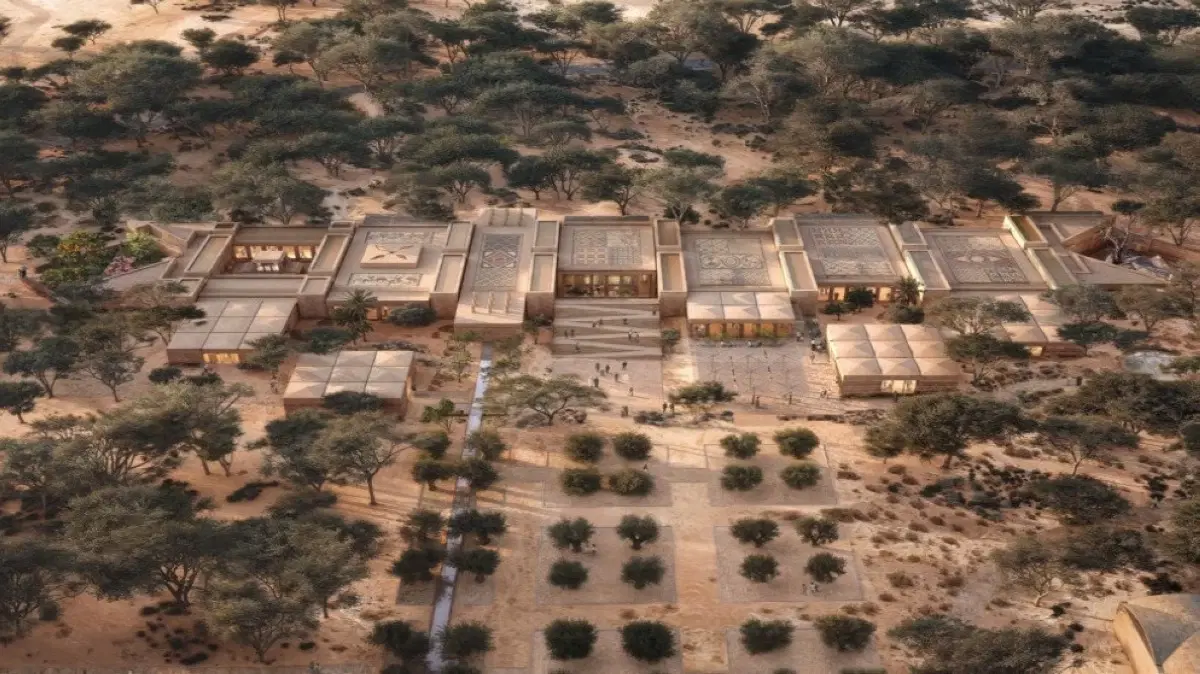
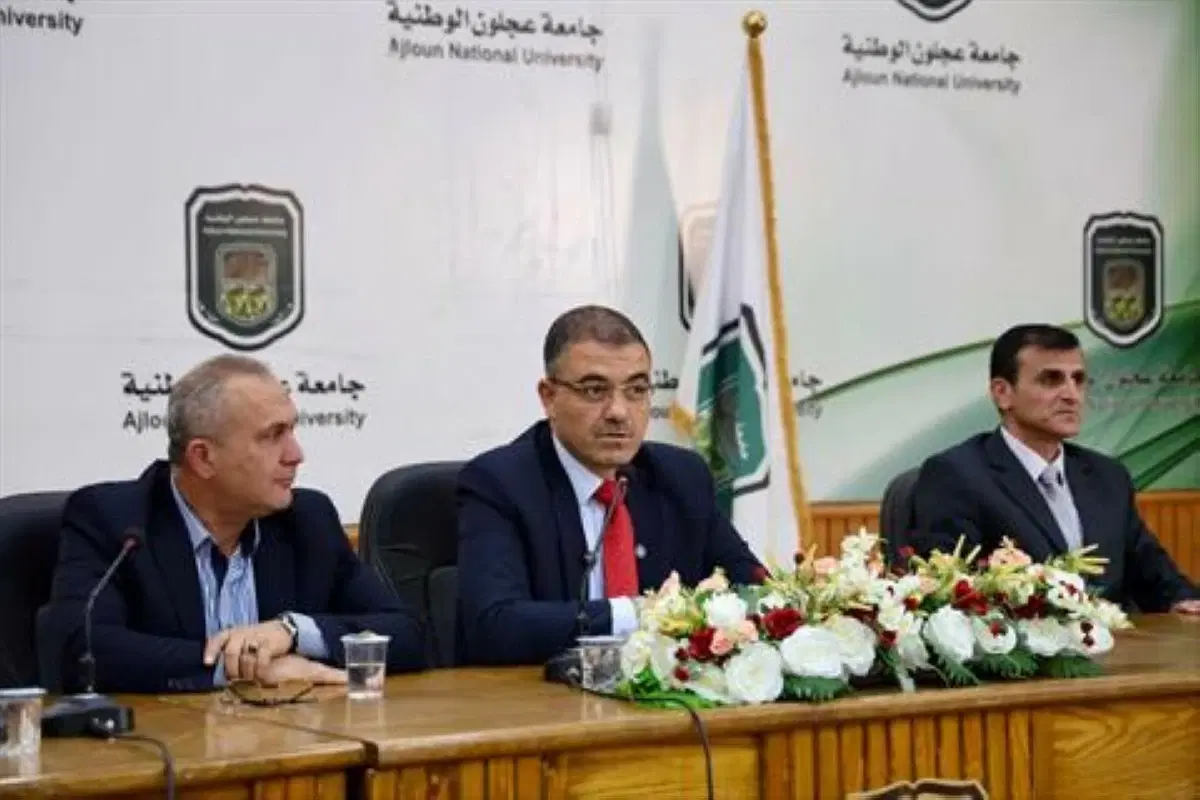
The Development Institution for the Land Adjacent to the Al-Maghtas Site, in cooperation with the Royal Society for the Conservation of Nature, held a consultative workshop on Monday to present the results of the environmental study and the technical framework for the ecological restoration of the land adjacent to the Al-Maghtas site and to discuss proposals aimed at enhancing biodiversity and protecting ecosystems in the region.
The workshop was attended by representatives of UNESCO, the Ministries of Environment, Agriculture, and Tourism, the Jordan Valley Authority, the United Nations Development Programme, the United Nations Human Settlements Programme, the Green Climate Fund, the Royal Botanical Garden, the Jordanian Group for Free and Developmental Zones, the Al-Maghtas Site Authority, and a number of national and international institutions, experts, and representatives of the local community.
The workshop aimed to enrich the study's outputs with technical observations and recommendations before adopting them as part of the project's implementation phases, achieving a balance between development requirements and environmental preservation, in line with international environmental standards, and enhancing the region's integration with the Al-Maghtas site, which is listed on the UNESCO World Heritage List.
The Royal Society for the Conservation of Nature team presented the main results of the study, which were based on field surveys and scientific assessments, and showed that the region retains important environmental values, including the presence of local plants, wildlife habitats, and resident and migratory birds, in addition to identifying a number of environmental challenges, most notably the spread of some invasive plant species that affect the ecological balance.
The technical framework for ecological restoration included a number of proposals, such as removing invasive plant species, replanting local species suitable for the Jordan Valley environment, establishing ecological corridors linking natural habitats, developing ecological trails, regulating lighting and noise, improving visitor movement, and establishing a long-term environmental monitoring program.
For his part, the Chairman of the Board of Trustees of the Development Institution for the Land Adjacent to the Al-Maghtas Site, Thurwat Masalha, confirmed that preserving the natural environment in the development area is a fundamental part of the institution's vision, due to its connection with the religious, historical, and humanitarian value of the Al-Maghtas site.
He said that the study provides a scientific reference that supports the planning and environmental decisions of the project and contributes to developing an area that receives visitors and pilgrims within an environment that preserves its natural components and is in line with the status of Al-Maghtas, as one of the most prominent sites of world heritage and Christian pilgrimage.
For her part, the President of the Administrative Body of the Royal Society for the Conservation of Nature, Batoul Al-Ajlouni, emphasized the importance of partnerships that contribute to the protection and enhancement of biodiversity, noting that this type of cooperation embodies the national role of the Society in preserving areas of environmental and cultural value.
The participants agreed to complete the development of the project's environmental framework in light of the technical observations raised during the workshop, in preparation for its adoption as part of the implementation phases of the development area, enhancing its sustainability and preserving its role as an environmental and developmental extension supporting the Al-Maghtas site.