Conclusion of the Jordan Professional Theater Festival
Amman4 min read
Share
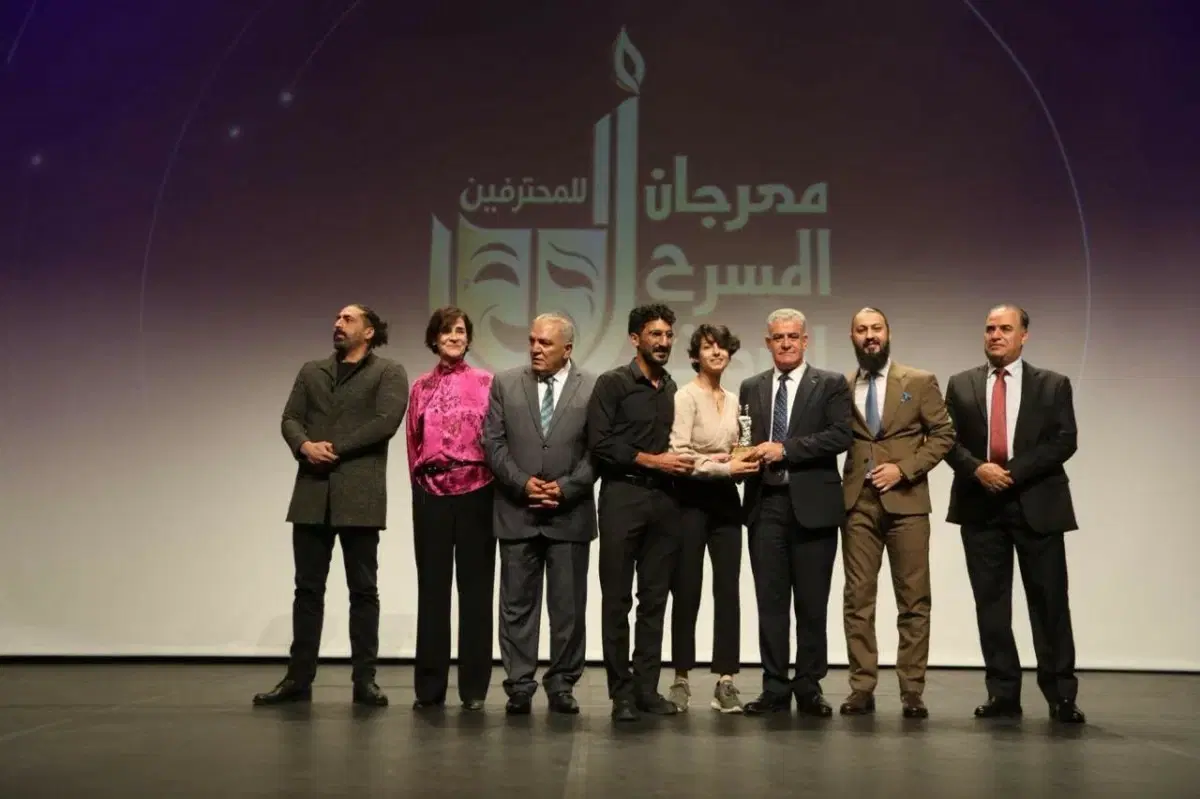
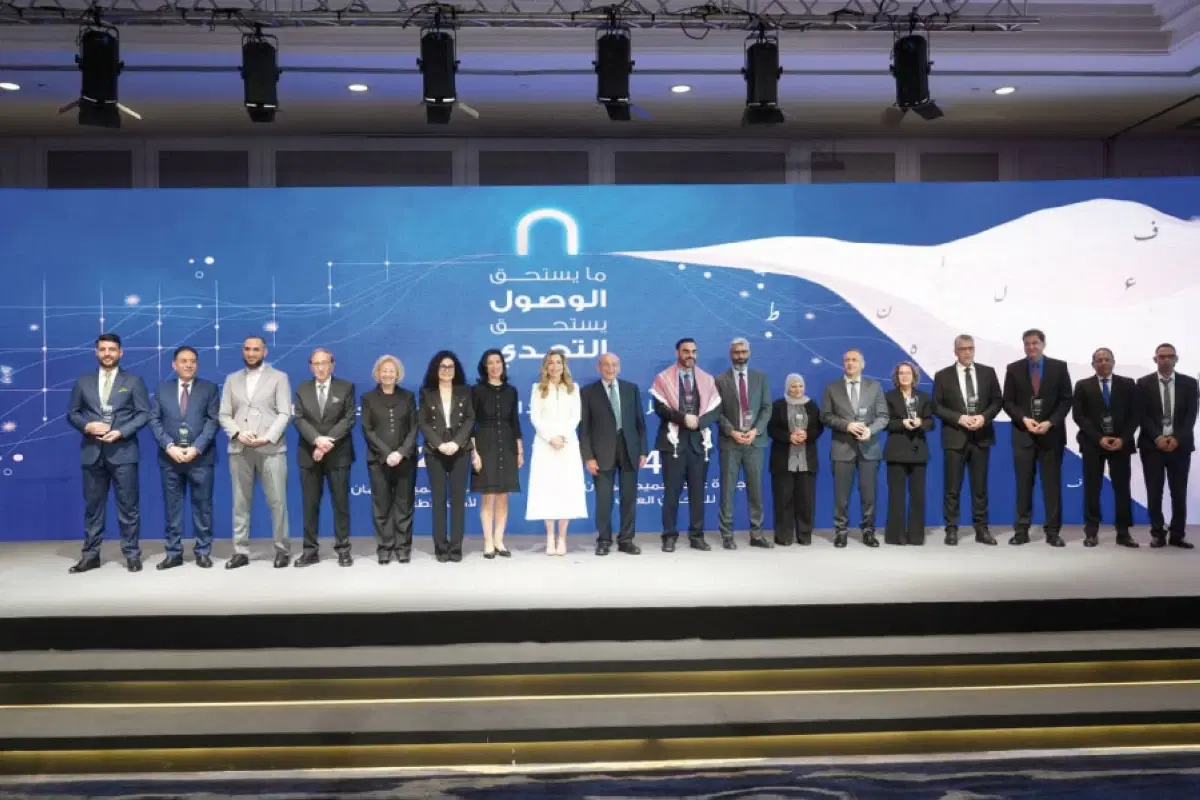
The Ministry of Culture concluded, on Friday evening, at the Royal Cultural Center, the activities of the Jordan Professional Theater Festival, which was held under the patronage of Minister of Culture Mustafa Al-Rawashdeh, and organized by the Ministry through the Directorate of Theater and Arts, in cooperation with the Jordan Artists Association, with the participation of a group of Jordanian artists, directors, and theater professionals.
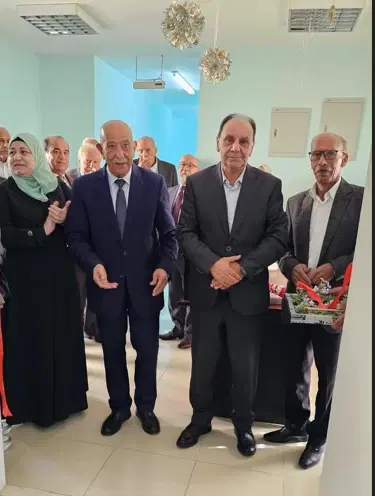
The closing ceremony was sponsored by the Ministry's Secretary-General, Dr. Nidal Al-Ahmad, representing the Minister of Culture, in the presence of the head of the Jordan Artists Association, Dr. Hani Al-Jarrah, the Director of the Directorate of Theater and Arts, and the festival director, director Ishaq Yassin, along with a gathering of artists, intellectuals, and those interested in theater affairs.
The conclusion of the festival served as the culmination of a theatrical and artistic program whose performances varied between directorial experiments and human and social themes. It provided a space for interaction between artists, the audience, and critics, in addition to the applied seminars that followed the performances, which discussed the content of the works and their artistic and aesthetic visions and theatrical techniques.
The jury announced the results of the official competition, where artist Al-Muthanna Al-Qawasmeh won the Best Actor award for his role in the play "(As Not Lived)", while artist Batoul Al-Dmour won the Best Actress award for her role in the same play.
Director Dana Abu Laban won both the Best Integrated Work and Best Director awards for the play "(As Not Lived)", while the Best Scenography award went to the play's team, consisting of Dana Abu Laban, Al-Mu'tamid Al-Manasir, and Moataz Karama.
Abdul Razzaq Matariya won the Best Music award, which was named after the late artist Murad Demirjian, while Dr. Iyad Al-Rimouni received the Best Theatrical Script award for the play "(Women's Autumn)".
In a related context, the jury recommended transforming the festival into a sustainable cultural and theatrical project that extends throughout the year, through production, training, qualification, performance, and critical meeting programs, contributing to the development of the Jordanian theatrical movement and enhancing its societal presence.
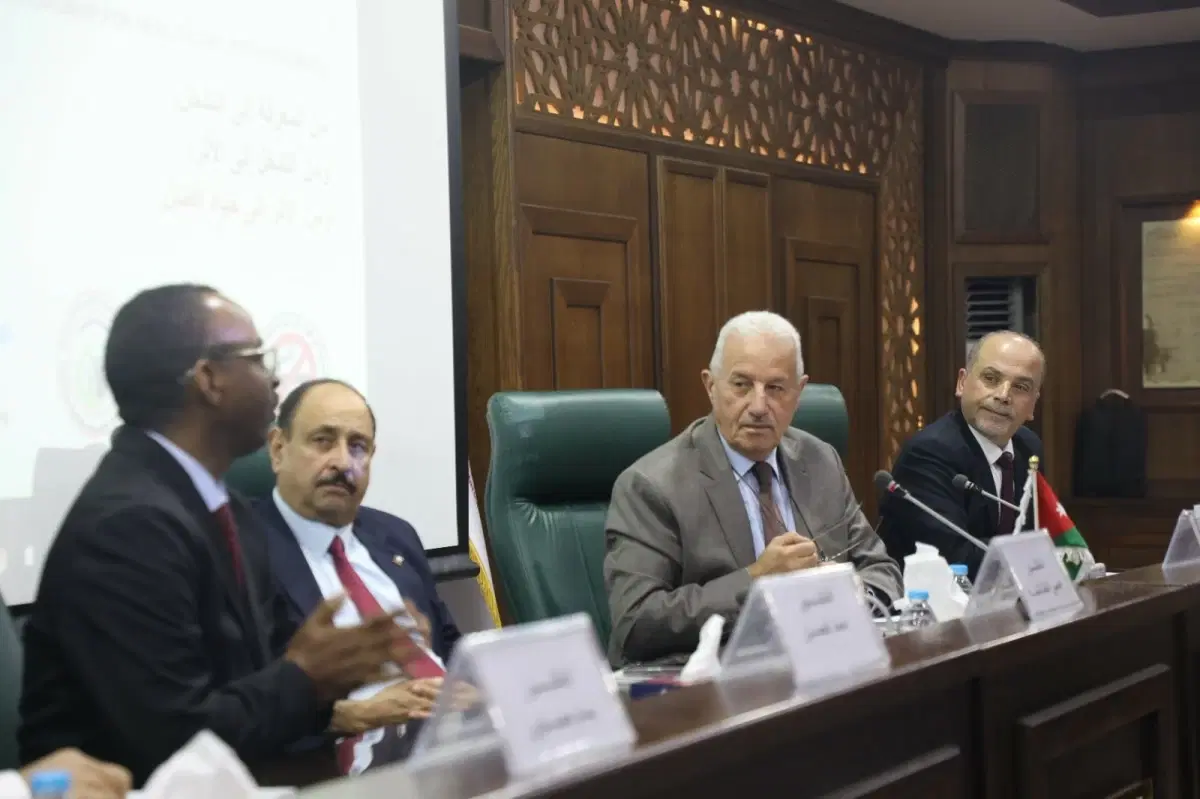
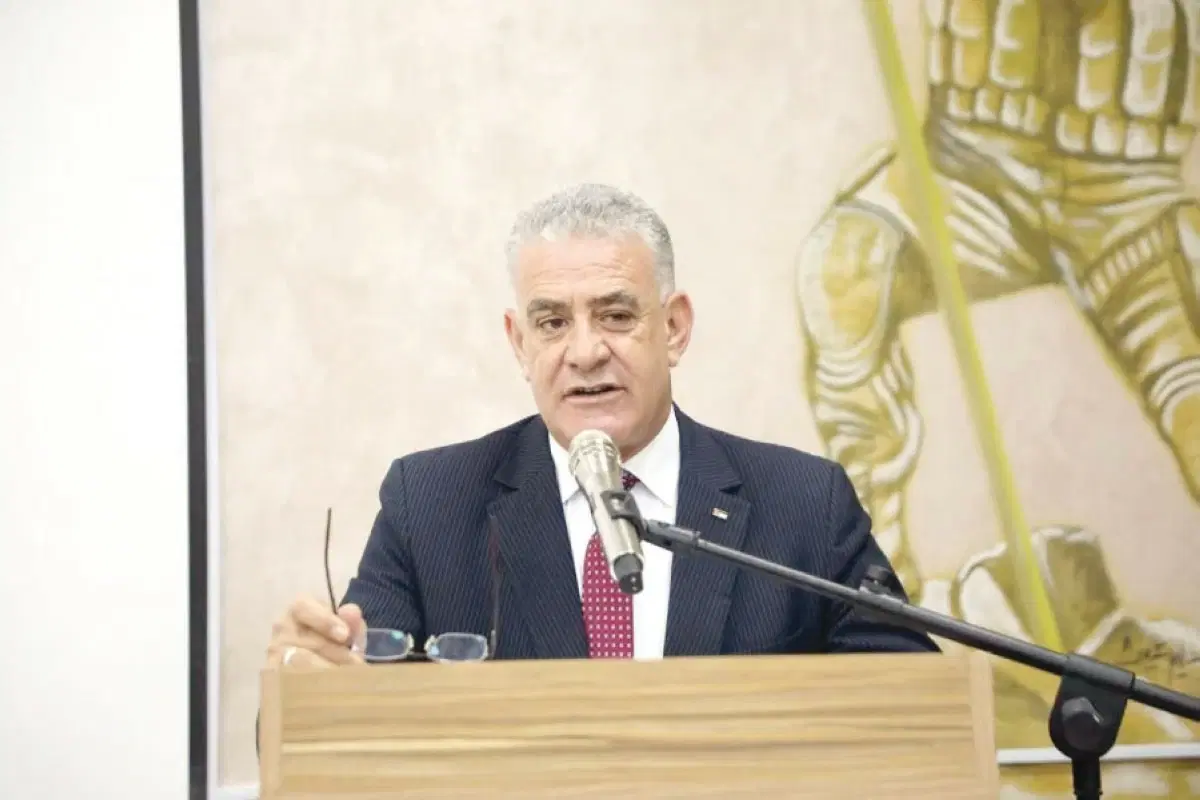
The head of the jury, artist Habes Hussein, said during the closing ceremony that developing theater requires an integrated vision that goes beyond the limits of holding festivals and establishes a continuous theatrical movement that allows artistic experiments the opportunity to mature, develop, and interact with the audience.
The committee recommended restoring the status of theatrical writing as a foundation for building a work and its dramatic conflicts, by establishing specialized laboratories to develop scripts and qualify writers, and encouraging young talents to present scripts and creative visions that go beyond directness and rhetoric to deep dramatic construction.
It also called for the development of theatrical techniques and performance elements, including lighting, sound, music, and visual effects, and the completion of the development of experiments that require artistic and technical treatment, in cooperation with specialized Jordanian and Arab experts.
It emphasized the importance of enhancing the creative employment of scenography and elements of the theatrical space as effective tools in producing dramatic meaning, not just formal additions, noting that the value of the stage is not measured by the number of tools used on it, but by the connotations and aesthetic images it produces and the imagination it grants to the recipient.
The committee stressed the necessity of restoring the status of the actor as the essence and soul of the theatrical process, enhancing their capabilities in building character and producing dramatic action, and developing their relationship with the theatrical space and the audience through advanced training, research, experimentation, and teamwork programs.
In the context of expanding the base of theatrical production, the committee recommended increasing production, performance, and training opportunities in various governorates of the Kingdom, supporting independent and emerging theater troupes, activating the role of cultural centers and university theaters, and providing productive environments that allow theatrical talents and experiments to reach the audience, rather than limiting theatrical activity to a narrow geographical or institutional scope.
It also recommended establishing a comprehensive digital Jordanian theatrical archive that documents national theatrical experiments, their scripts, performances, pioneers, and stages of development, and makes its materials available to researchers, scholars, and new generations, in parallel with supporting serious theatrical criticism and restoring the status of research and documentation as an essential part of the theatrical future industry.