Chocolate at Risk: Heavy Rain Threatens Global Cocoa Crop
Amman3 min read
Share
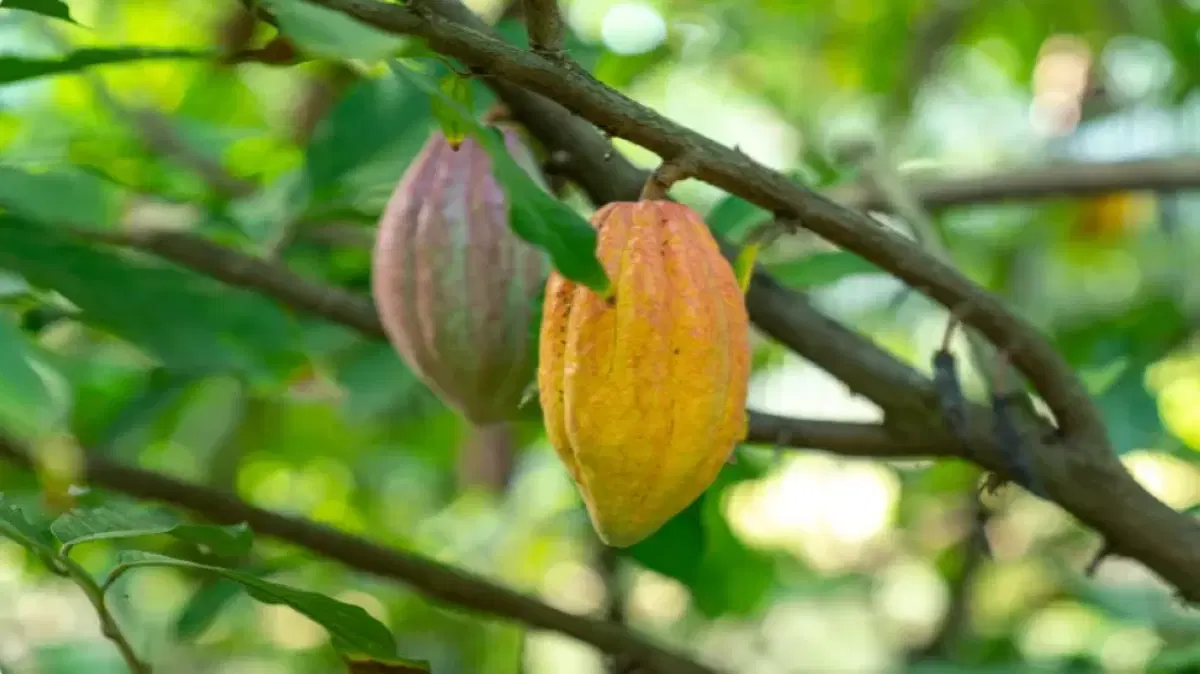
Rain may seem like good news for cocoa farmers, as tropical trees need moisture to grow and produce fruit, but a new study has found that heavy rain at specific times can become a factor that harms the crop, by damaging flowers and young fruits and increasing the risk of disease spread.
Researchers, in a study published in the journal "Proceedings of the National Academy of Sciences", found that heavy rain during the rainy season is associated with cocoa production losses in a number of major production areas, and its impact in some areas may exceed that of rising temperatures and average water availability.
The findings are significant as about 6 million small farmers around the world depend on cocoa as a primary source of income, while Côte d'Ivoire, Ghana, Indonesia, and Ecuador produce a large proportion of the world's crop.
Rain Timing
Researchers first focused on Ghana, the world's second-largest cocoa producer, and analyzed production data in 66 administrative regions between the 2000/2001 and 2022/2023 seasons, linking it to daily rainfall and temperature data.
The results showed that heavy rain between April and June, in conjunction with a lack of rain during the dry season between November and February, together explain about 68% of the annual change in cocoa production in Ghana.
Lead researcher Anna Lea Albright said the significance of the results lies in the timing of rainfall, as the period between April and June coincides with the peak of flowering and the beginning of the formation of young fruits.
Heavy rain can directly damage flowers and fruits, disrupt pollination, and increase the risk of fungal diseases, including black pod disease, one of the most dangerous cocoa diseases in West Africa.
Rain splashes can also transfer pathogens from the soil or infected fruits to other parts of the tree, making heavy rain a direct factor in harming the crop and increasing the risk of infection.
Impacts in Other Regions
Researchers applied the same methodology to data from Ecuador and Indonesia and found a similar negative relationship between heavy rain during the rainy season and cocoa production.
In Ecuador, heavy rain alone explained up to 52% of the change in crop in one of the rainfall data sets used, while the impact was weaker on the Indonesian island of Sulawesi, where other factors intervened, including some farmers switching to palm oil and clove cultivation.
The study suggests that climate predictions can be used to prepare for heavy rain seasons by improving tree management, disease monitoring, and the timing of fungicide use.
Extreme rainfall was partially linked to broad climate patterns, including the El Niño phenomenon and changes in Atlantic sea surface temperatures, which may help predict seasons most prone to heavy rain.
Study Limitations
Researchers point out that the study has limitations, including the lack of accurate annual data on the area planted in Ghana, which led them to use production changes as a rough indicator of yield change, as well as the varying strength of the relationship between rainfall and production depending on the rainfall data used.
Climate factors alone do not explain cocoa production crises, as they interact with other factors, including tree aging, mining, smuggling, prices, diseases, and lack of agricultural inputs.
However, the study adds a climatic factor to explaining production fluctuations, represented by the timing, intensity, and stage of cocoa tree growth that coincide with rainfall.
The study team received funding from Harvard University, and the researchers confirmed that there was no conflict of interest.