Imports increased by 33.8% to exceed 10.8 million tons, while car imports jumped by 72.6% to 105,719 cars by the end of August, and car exports increased by more than 1,106% to 16,330 cars.
Al-Dalabeah pointed out that the significant growth in car traffic is mainly linked to the expansion of transit trade to the Gulf markets, noting that 37 ships specialized in transporting cars carried out unloading operations at Aqaba Port in August alone.
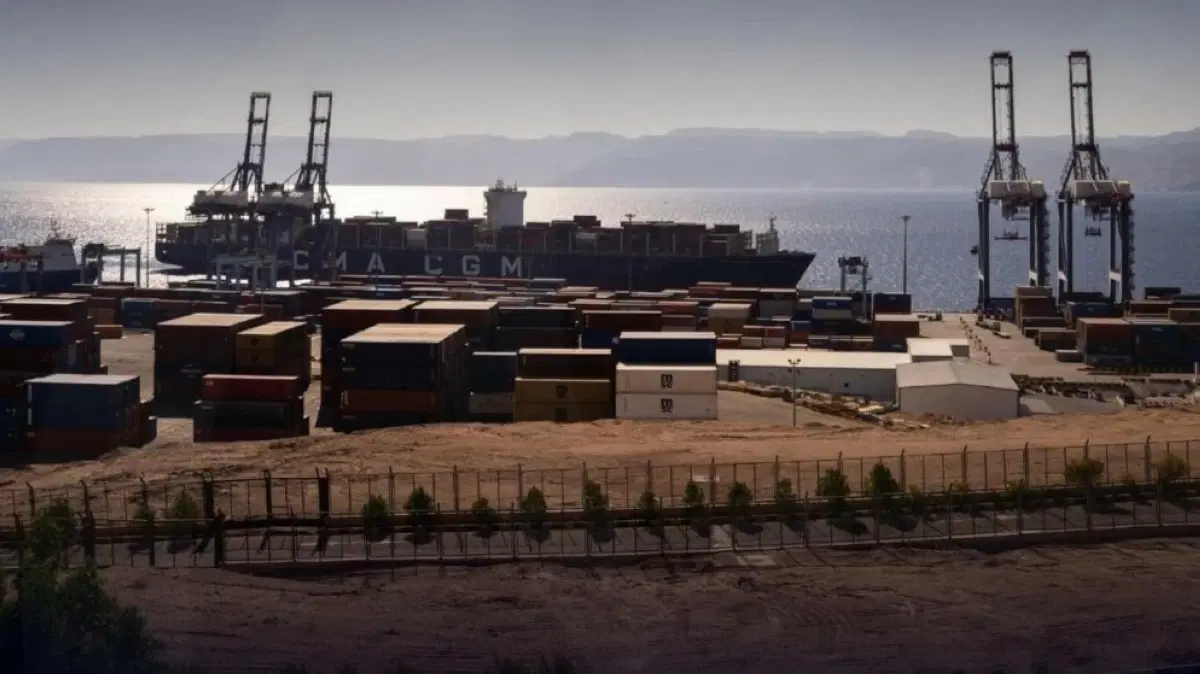
At Aqaba Container Port, handling increased by 5.5% to 679,145 TEUs, while transit containers jumped by 185.6% to 60,817 containers, and refrigerated cargo containers increased by 25.2% to 13,612 containers.
Grain imports also increased by 59.3%, driven by a 126.3% increase in corn imports to over one million tons, 101.6% for soybeans to nearly 424.8 thousand tons, 33.8% for barley to nearly 915.4 thousand tons, and 22.3% for wheat to nearly 744.3 thousand tons.
Imports of oil derivatives, gas, and mineral oils increased by 11.3%, while jet fuel imports jumped by 1,243.8% to nearly 195 thousand tons, and car gasoline imports increased by 14.5% to nearly 543.7 thousand tons.
In contrast, phosphate exports decreased by 21.1% to 3.44 million tons, and general cargo exports decreased by 26.4%, while bulk potash exports increased slightly by 0.5% to 1.59 million tons.
Construction iron imports decreased by 27% to 327,301 tons, and pipe imports decreased by 28.6%, sulfur by 30.8%, and ammonia by 2.9%.
Al-Dalabeah said that the indicators for the eight months reflect the diversity of growth sources in Aqaba, especially in imports, foodstuffs, transit, containers, and cars, emphasizing the importance of continuing to develop infrastructure, operational capabilities, and enhance the efficiency of procedures related to the movement of transit goods.
He added that enhancing the efficiency of the port system and logistics services in Aqaba contributes to consolidating Jordan's position as a regional hub for trade and transit and supporting the competitiveness of the national economy.