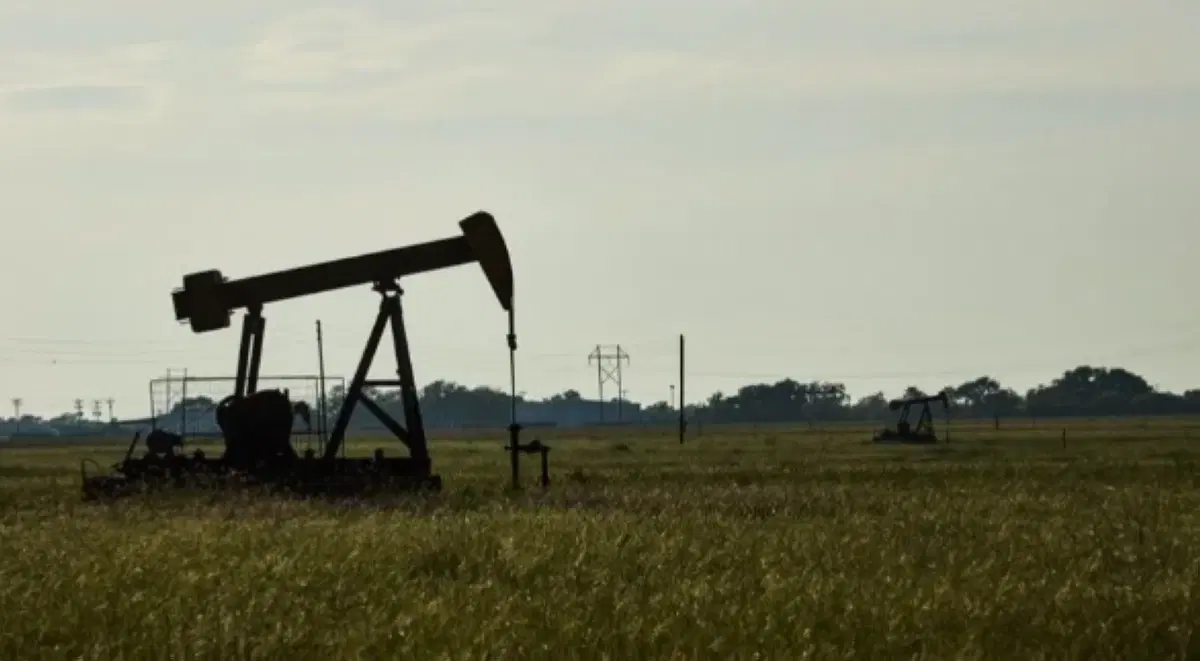
Despite the decline, prices remain high, which reflects on fuel prices and raises inflation in several countries.
The drop comes with signs of a potential de-escalation, following talks that brought together Iranian negotiators in the Qatari capital, Doha, with Qatari mediators, which included a plan to open the Strait of Hormuz.
On Saturday, U.S. Secretary of State Marco Rubio said that President Donald Trump had not yet made a decision regarding new military strikes against Iran, pointing to his country's participation in consultations through mediators, during a press conference on the sidelines of the G20 Foreign Ministers summit in Atlanta.
The price was also affected by profit-taking sales after oil reached its highest levels in 6 months in October 2026, as Brent closed at 117.64 dollars, and West Texas at 104.12 dollars.
Markets are facing pressure from supply disruptions and declining demand expectations due to the war that erupted on February 28, 2026, with U.S. and Israeli raids on Iran, and Tehran responding with missiles and drones, before a ceasefire in last April, and then the renewal of intermittent confrontations last July.