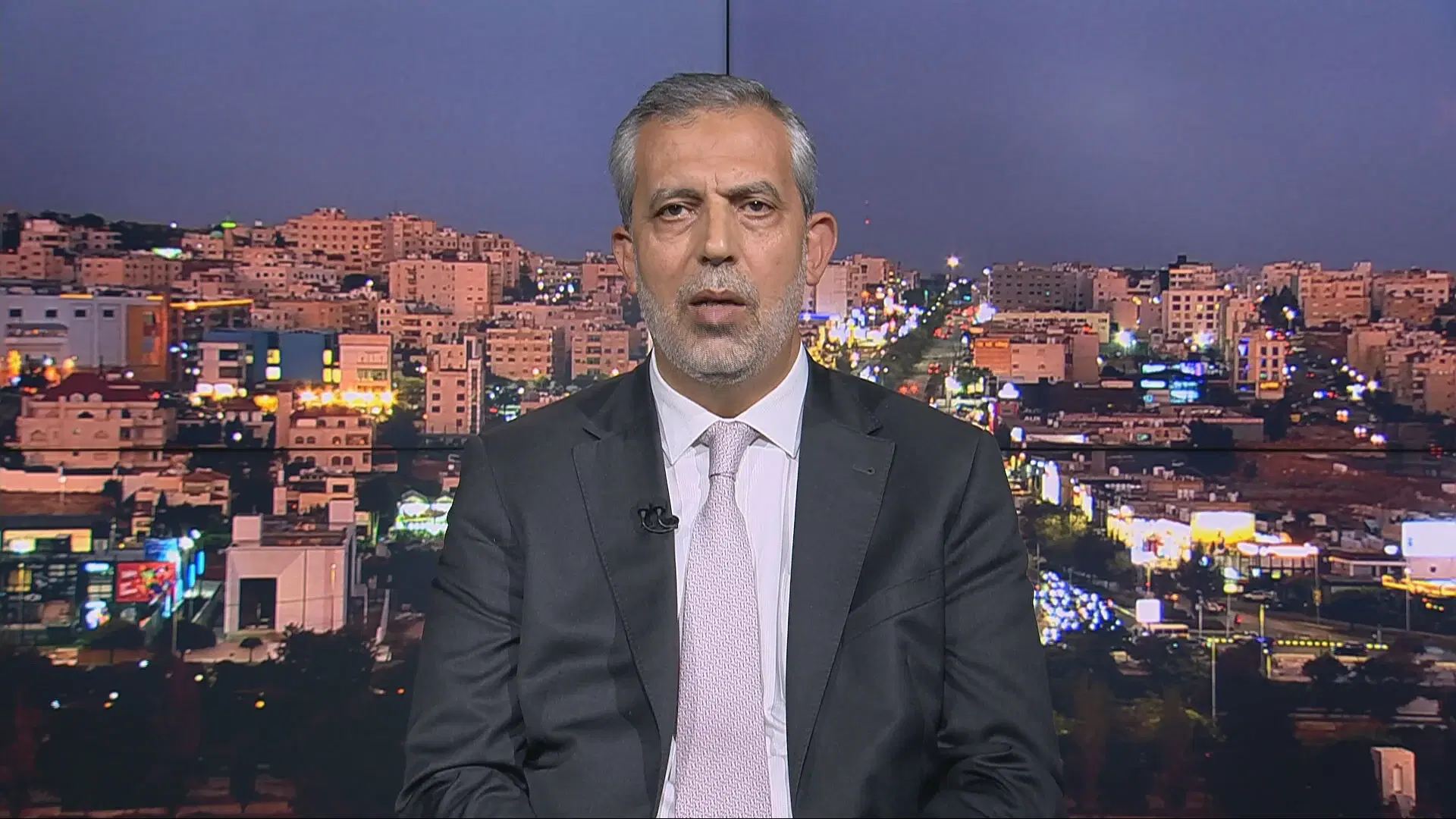
Bahr: Amendments to the Enforcement Law must restore the balance between the interests of the creditor and the debtor
Amman3 min read
Share
Bahr, the head of the Bar Association, Yahya Abu Aboud, said that the amendments to the Enforcement Law must address the drawbacks that appeared during the law's application, and restore some of the disturbed balance between the interests of the creditor and the debtor.
Abu Aboud added, regarding the draft amended Enforcement Law for 2026, that the bill comes within the context of amendments that affected a number of laws, including civil and penal procedural laws and the Evidence Act, to address the negative aspects that emerged in practice.
The Legislation and Opinion Bureau published the draft amended Enforcement Law for 2026, which includes amendments to debt collection procedures, among them expanding the powers to prevent the debtor from traveling and seizing their funds, setting a minimum limit for exclusion and a minimum for monthly installments to settle debts, allowing the use of the electronic bracelet, alongside facilities for disposing of seized funds.
For his part, Mohammed Bani Melhem, a member of the Parliamentary Legal Committee, stated that the Enforcement Law in its current effective form has shown problems in application, particularly regarding the imprisonment of the debtor and installment procedures, stressing the need to find solutions that achieve a balance between the interests of the creditor and the debtor, taking into account that the debtor is often the weaker party in this equation.
Bani Melhem explained that the draft Enforcement Law is published on the Legislation and Opinion Bureau's website to allow concerned parties and specialists to express their remarks and suggestions regarding it, emphasizing the importance of utilizing these remarks to reach a final formula that addresses existing imbalances.
He added that amending the law comes in light of the issues that emerged during its application, and in line with trends aimed at developing judicial work and achieving justice and equality, pointing out that the draft includes amendments related to procedures available to the debtor, the 2% monthly installment rate, and the use of electronic means in enforcement procedures, alongside reconsidering appeals submitted against decisions of the enforcement head.
He noted that the amendments also address enforcement decisions related to lawsuits exceeding 50,000 dinars, or those associated with enforcement bonds related to mortgage loans, as well as settlement procedures, attachment, and appealing enforcement decisions.
Bani Melhem emphasized that the draft is still in the stage of providing remarks, and that the opinions of citizens, experts, and stakeholders are of importance in developing it, indicating that these remarks will assist the Parliamentary Legal Committee and the House of Representatives in studying the various aspects of the law before proceeding with the necessary legislative procedures.