In a statement on behalf of the people of Beirin District, former MP Dr. Ahmed Al-Khalaila said that investing in the energies of young people and qualifying them intellectually and professionally forms a fundamental pillar for enhancing their participation in their communities, stressing the importance of providing spaces that allow them to express their ideas, highlight their talents, develop their abilities, and turn initiatives and ideas into works that serve the local community.
He pointed to the role played by the Beirin District Forum for Culture and Arts in promoting cultural and community work, opening up avenues for young people to participate, express themselves, and highlight their energies, and building bridges of communication between local community members and national and civil institutions.
He added that the media training project provided young people with an opportunity to acquire practical skills in the fields of media, photography, electronic marketing, dialogue and responsible discussion arts, dealing with rumors and misleading information, and raising awareness of the dangers of cybercrime, thereby enhancing their ability to deal with the requirements of the digital age.
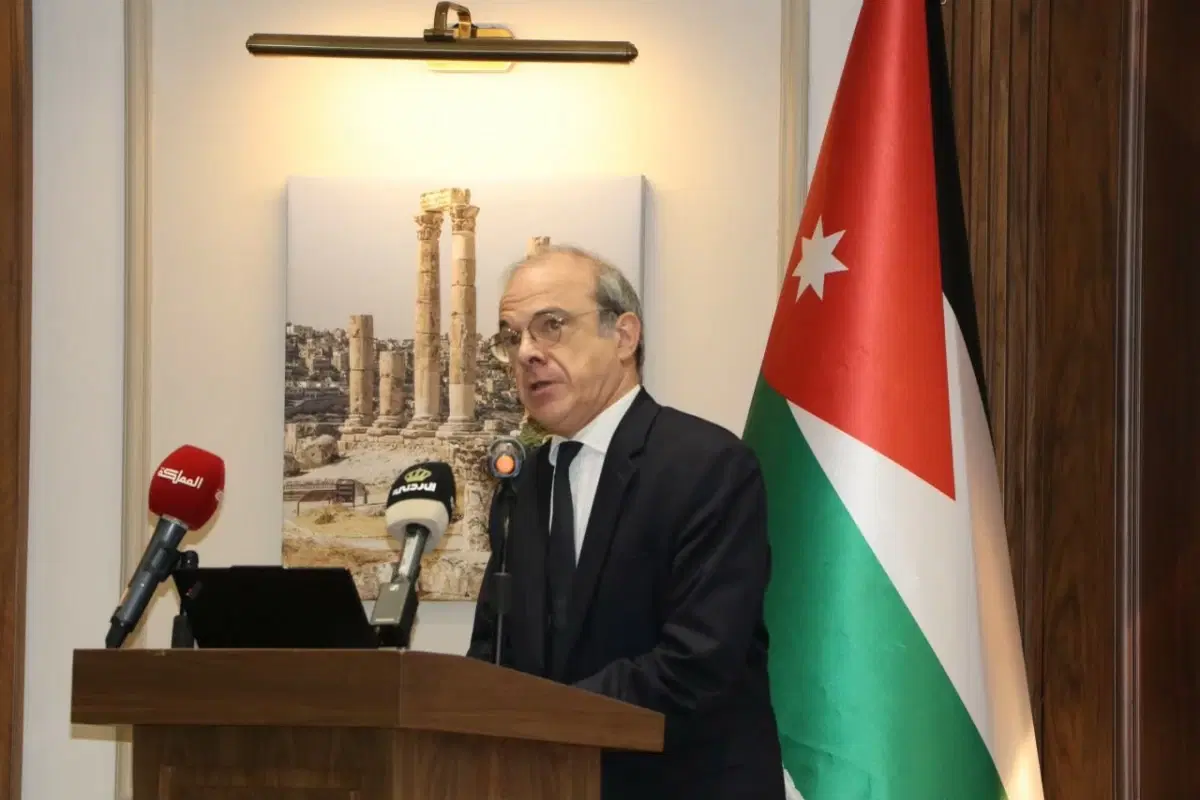
For his part, project director Dr. Zaid Mohammad Al-Khalaila said that the project was launched based on the belief that Jordanian youth have become real partners in the production of digital media content and are able to convey their messages and positively influence their communities.
He explained that the rapid development of media and communication means, and the transition of a large part of daily life to the digital space, impose an increasing responsibility in building a generation capable of distinguishing between correct and incorrect information, dealing consciously with media content, and using social media positively and responsibly.
Al-Khalaila stressed that media is an important tool in enhancing awareness and responsibility and preserving the memory of the nation, and highlighting what Jordan is doing in terms of roles and efforts at the national, Arab, and regional levels, referring, in this regard, to the efforts led by His Majesty King Abdullah II in supporting security, peace, and stability, alongside the humanitarian role of Jordan towards the brothers in the Gaza Strip.
He also pointed to the interest of His Highness Crown Prince Al-Hussein bin Abdullah II in young people, empowering them, listening to their aspirations, and providing them with opportunities to learn, train, create, and participate in the nation-building process, stressing that empowering young people media-wise enhances their ability to express responsibly and serve their community and nation.
For her part, project coordinator Ghada Rashid Al-Guwairi said that the graduation of the first batch represents the fruit of a phase of work, training, and interaction, during which the participants showed a keenness to learn and develop their media skills.
She explained that the project focused on providing young people with the knowledge and skills that help them deal consciously with digital media, and confront misleading attacks that target the nation, its principles, and achievements, and contributed to promoting a culture of dialogue and responsibility in dealing with words, images, and information.
Al-Guwairi appreciated the sponsorship of the graduation ceremony by the President of the Royal Hashemite Court, as well as the cooperation and support of the Ministry of Culture and the efforts of the trainers, lecturers, and those involved in the project, praising the commitment and interaction of the trainees during the program stages.
She stressed that graduation does not represent the end of training, but rather the beginning of a phase in which the graduates apply what they have acquired in their knowledge and skills in their communities, and contribute to spreading awareness, knowledge, and positive content.
In the graduates' speech, Weam Khaled, on behalf of the participants, expressed her appreciation for the opportunity provided by the project for them to learn and acquire new knowledge, experiences, and skills.
She thanked the Beirin District Forum for Culture and Arts, those in charge of it, and everyone who contributed to the success of the program, expressing her hope that this experience would be the beginning of more successes and experiences that contribute to developing the capabilities of young people.
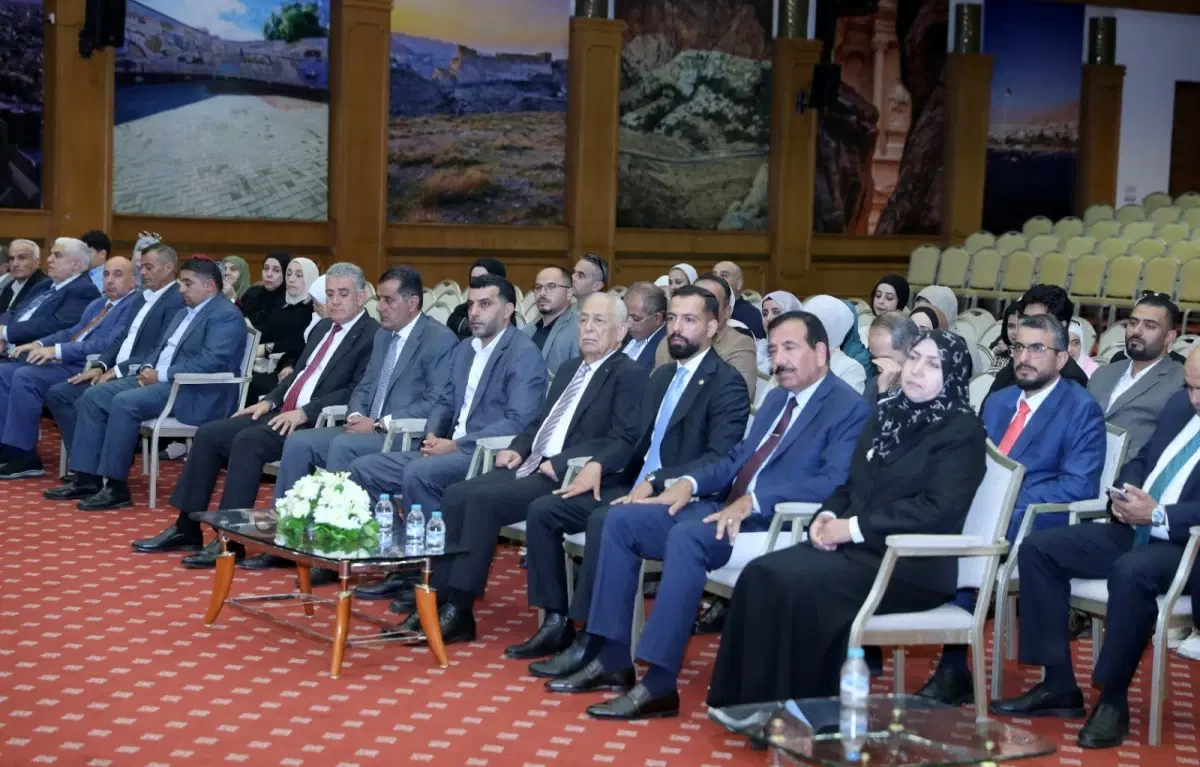
During the ceremony, a documentary film was shown, reviewing the stages of implementing the media training project, and highlighting the main training stations, activities, and field visits included in the program.
The project, organized by the Beirin District Forum for Culture and Arts in cooperation with the Ministry of Culture as part of empowerment projects, aims to develop media skills among young people, enhance their ability to deal consciously and responsibly with media and digital platforms, and enable them to produce meaningful content, verify information, and confront rumors and misleading information.
The project included a diverse training program that combined theoretical lectures, practical applications, and field visits, and covered a number of topics, most notably youth media campaigns, rumors and misleading information, responsible dialogue and discussion, cybercrime, electronic marketing, and media photography.
The project stems from the forum's approach to investing in the energies of young people and qualifying them with media skills that help them produce meaningful content, verify information, and deal responsibly with social media, thereby enhancing their role in serving their community and nation.
During the ceremony, Al-Eisawi presented certificates to the graduates and certificates of appreciation to the participating trainers.
At the end of the ceremony, those in charge of the forum presented a commemorative shield to the President of the Royal Hashemite Court.