130 million people face the threat of poverty due to soaring energy and food prices
Amman3 min read
Share
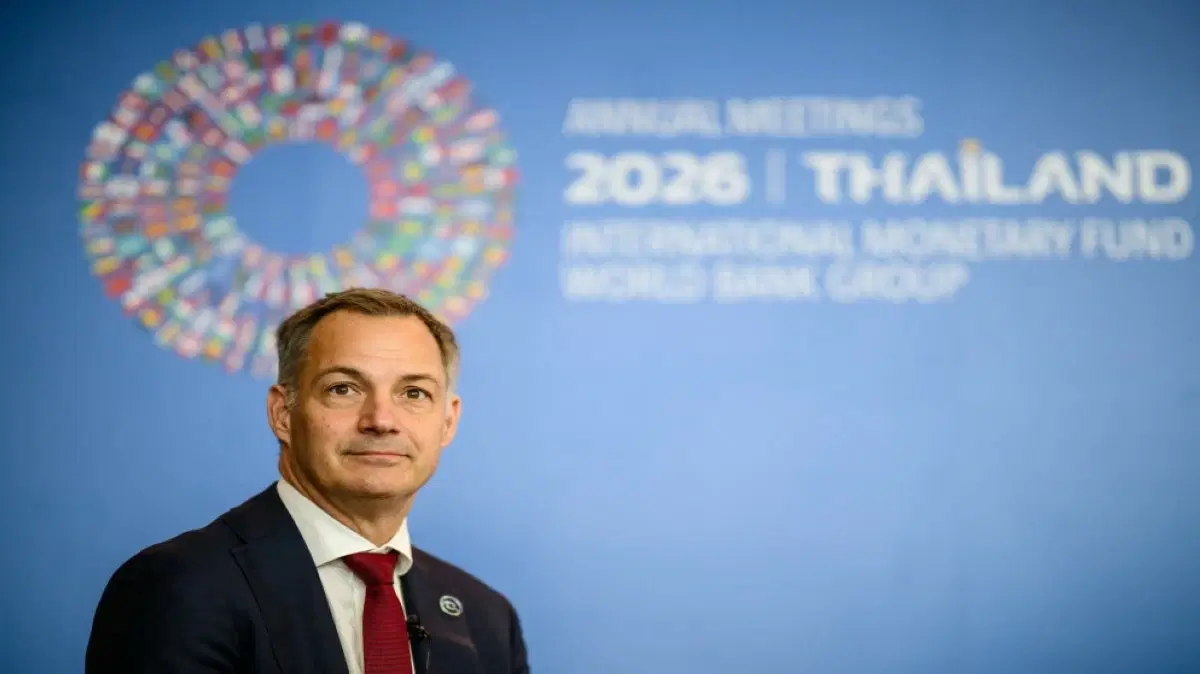
United Nations Development Programme (UNDP) Administrator Alexander De Croo warned that about 130 million people could face the risk of falling into poverty during the current year if consumers fully absorb the rise in energy and food prices without government support, at a time when pressures on developing countries are mounting due to rising energy costs, interest rates, and the repercussions of climate change.
Speaking on the sidelines of the International Monetary Fund and World Bank meetings in Bangkok, De Croo said that successive crises have diminished the capacity of fragile nations to cope with new shocks, after the COVID-19 pandemic, the war in Ukraine, and developments in the Middle East depleted their financial resources.
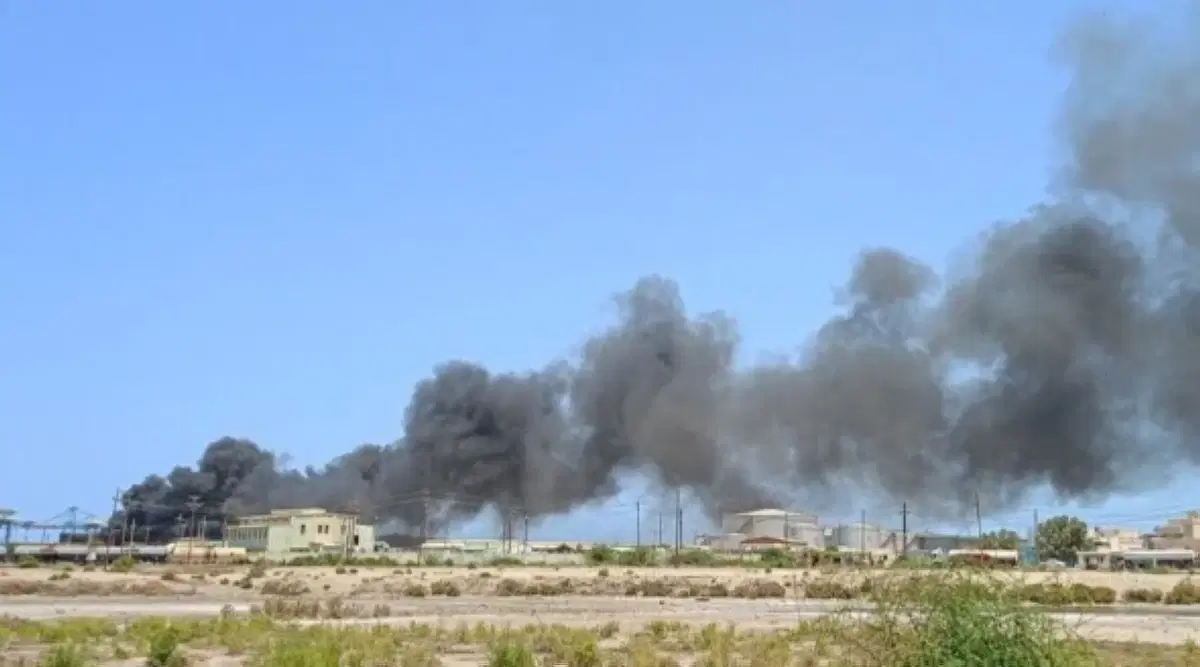
Global fuel prices have surged since the outbreak of the US war on Iran in late February, with oil and natural gas supplies declining in the wake of Iranian strikes targeting Washington's allies in the Gulf region.
De Croo explained that a number of developing countries tackled rising energy prices by introducing broad support packages, but repeated crises have left them with limited resources to continue these measures.
He noted that governments find themselves forced to "repair the roof while the house is burning," referring to their compulsion to address current crises before completing their recovery from previous shocks and rebuilding their financial reserves.
He added that these countries need time, fiscal space, and access to financing, amid their declining ability to respond to successive crises.
The IMF had warned this week that the resilience of global growth against the energy crisis depends largely on the surge of investments in artificial intelligence technology, while the poorest countries continue to face difficulties in benefiting from this growth.
Managing Director of the Fund Kristalina Georgieva also warned that the world could face a disaster if it is not prepared to deal with current challenges.
Rising borrowing costs
De Croo pointed out that rising bond yields in advanced economies, driven by growing inflation expectations, higher debt levels, and financing needs associated with AI investments, are driving up borrowing costs and narrowing developing countries' access to the financing needed to withstand shocks.
Higher interest rates increase debt-servicing burdens, limiting governments' capacity to spend on social protection and respond to economic and climate crises.
According to the UNDP, the middle tier of developing economies currently spends about 9.5% of government revenues on interest payments, the highest level in 25 years and more than three times the ratio recorded in high-income countries.
De Croo stated that managing economic conditions has become much more difficult, with the margin of maneuver available to governments to take crisis-response measures shrinking.
He added that during the Bangkok meetings, he is seeking to mobilize investments from advanced economies and multilateral institutions to support economic growth, enhance resilience, and create jobs in developing countries.
He noted that sharp cuts in international aid are increasing pressures on these nations and limiting their ability to handle the economic and social fallout of crises.
Increasing climate risks
The UN program warned that conditions could deteriorate further in the upcoming period, with predictions that this year's "El Niño" climate phenomenon will be among the most severe on record, potentially triggering widespread impacts including floods, droughts, and extreme weather conditions, with its effects expected to peak in early 2027.
De Croo emphasized the importance of attracting private capital to help mitigate the economic fallout of climate change, noting that investing in preventing climate damage makes economic sense.
He said that climate change imposes an economic cost, and avoiding this cost is in the economic interest of nations and societies.