"Zarqa Development Area".. A new industrial investment leading towards exports and regional markets
Incentives linking investment with technology and employment
Amman6 min read
Share
An incentive package opens the door for investment in the automotive industry in Jordan
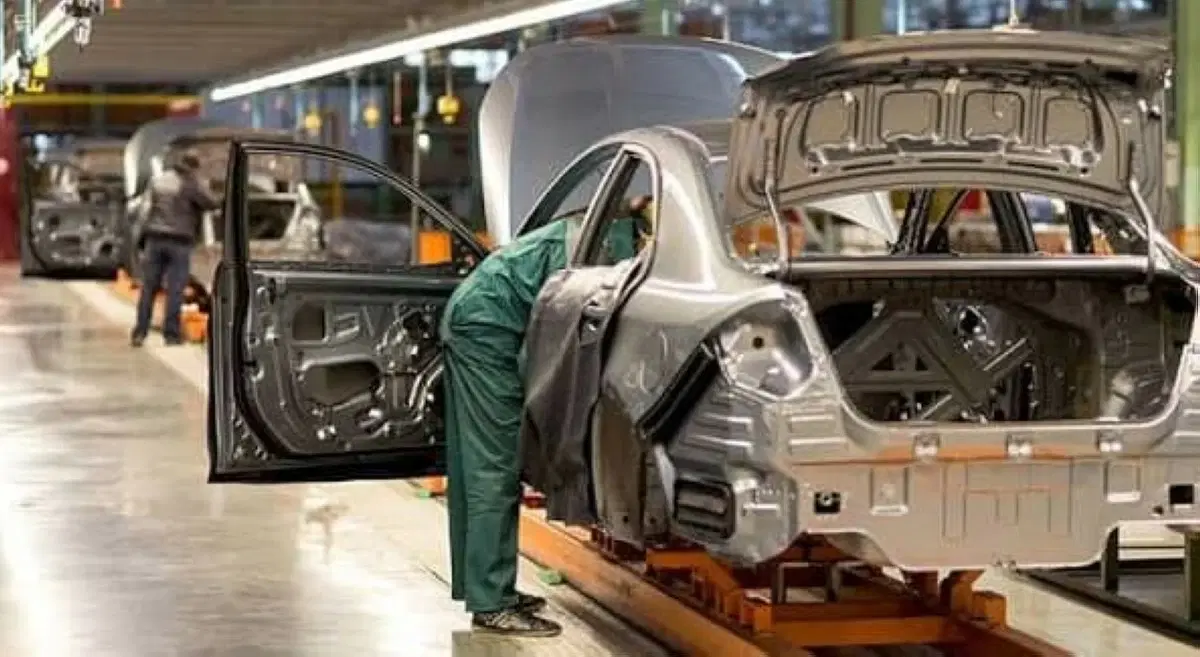
The new government package to stimulate the automotive manufacturing and assembly industry in the Zarqa Development Area opens the door to a new phase of industrial activity in the Kingdom, with a focus on attracting high-value-added investments, increasing local manufacturing operations, developing supporting industries, as well as enhancing export opportunities and creating job opportunities for Jordanians.
The Council of Ministers, in its session held last Tuesday chaired by Prime Minister Jafar Hassan, approved a set of incentives and exemptions to attract investment in the automotive manufacturing and assembly industry in the Zarqa Development Area. These incentives are linked to the volume of investment, the assembly or manufacturing operations carried out within the Kingdom, and the job opportunities provided to Jordanians, in a way that increases local value-added and enhances the Kingdom's competitiveness in this sector.
The package is based on the principle of escalating incentives as the stages and volume of assembly and manufacturing carried out within the Kingdom increase. Complete Knock-Down (CKD) assembly or manufacturing projects are granted greater incentives than Semi Knock-Down (SKD) assembly projects. For CKD, the investment volume must be no less than $50 million, and for SKD, no less than $20 million, in addition to employing at least 50 Jordanian workers in each project.
Director General of the Jordan Industrial Estates Company, Omar Jwaid, praised the Council of Ministers' decision, confirming that the new package constitutes an important step towards enhancing the competitiveness of the Zarqa Development Area and attracting high-quality industrial investments with high added value.
Jwaid told (Alrai) that the package would enhance the position of the Zarqa Development Area as a promising destination for specialized industrial investments, especially in the automotive sector and its feeding and supporting industries, noting that the company is currently holding discussions with a number of investors interested in investing in this sector.
He explained that the incentives are linked to the volume of investment and the depth of assembly and manufacturing operations carried out within the Kingdom, with the granted benefits escalating as the percentage of local manufacturing and value-added increases. He pointed out that the package set the minimum investment at $50 million for CKD projects and $20 million for SKD projects, in addition to the requirement of employing at least 50 Jordanian workers.
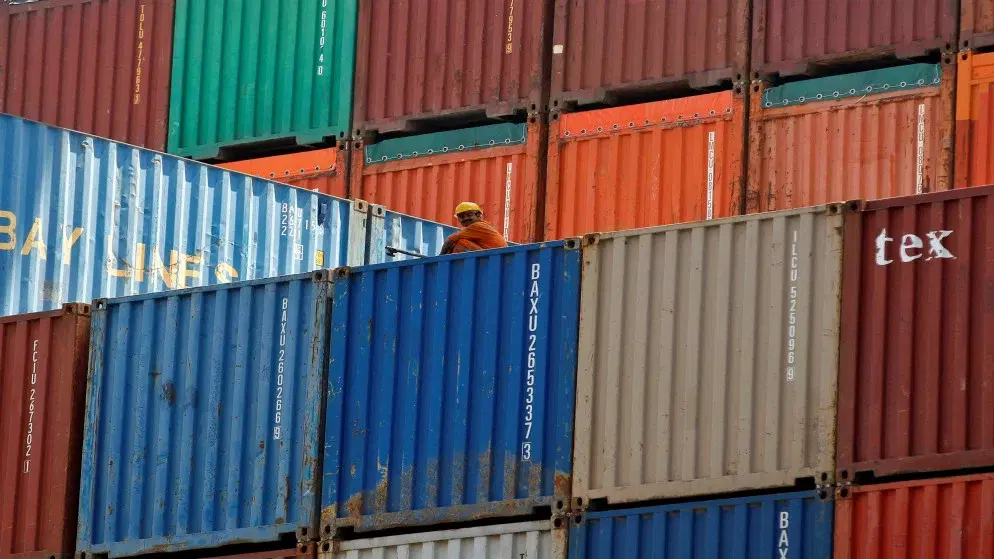
Jwaid indicated that the package includes a set of incentives related to operating and investment costs, including electricity price subsidies, land price reductions, subsidies for container handling costs at the Port of Aqaba, discounts on infrastructure costs, as well as exemptions on land registration fees and real estate sales tax, and tax incentives related to Jordanian-origin vehicles and exports, according to the type of project and the volume of locally executed manufacturing operations.
He emphasized that the importance of the package goes beyond attracting car assembly projects to establishing an integrated industrial ecosystem by encouraging supporting industries linked to the sector, which contributes to localizing technology and expertise, increasing local content, boosting exports, and creating quality and sustainable job opportunities for Jordanians.
Jwaid pointed out that the incentives directed at CKD projects are the highest within the package and include a 70% electricity price subsidy for five years, a 60% reduction in land prices, and a 75% subsidy on container handling costs at the Port of Aqaba, in addition to other incentives and exemptions related to infrastructure, taxes, fees, and labor support.
As for SKD projects, Jwaid explained that the allocated incentives include a 50% electricity price subsidy for three years, a 40% reduction in land prices, and a 50% subsidy on container handling costs at the Port of Aqaba, in addition to a set of other incentives that correspond to the investment volume and local value-added.
Jwaid renewed the invitation to investors and businessmen from inside and outside the Kingdom to benefit from the new package and explore the investment opportunities available in the Zarqa Development Area, confirming the readiness of the Jordan Industrial Estates Company to provide the necessary facilities to investors and support them in the various stages of establishing their projects.
In an economic reading of the package's dimensions, economic expert Hossam Ayesh said that the new measures will raise the investment, industrial, and commercial performance of the Zarqa Development Area, inject new investments into it, and move it to a more industrialized level with greater impact on the Jordanian economic environment.
Ayesh pointed out that this manufacturing could contribute, through the automotive industry, to stimulating more Jordanian exports to regional markets, considering that this flows into the overall economic performance and the resulting return, which is reflected in various economic indicators, including rising investor confidence, an increase in the economic growth rate in the second quarter to 3%, as well as indicators related to Jordan's position in various international indices.
Ayesh described the package as carrying important implications and can be read as a shift from a general investment attraction policy to a selective industrial policy aimed at building the automotive sector within Jordan, noting that it clearly opens the door for the manufacturing and assembly of electric vehicles.
He added that the second implication is the existence of a clear gradation in industrial policy, as the measures carry a clear economic message that the more operations performed within Jordan, the higher the level of support, which directs the investor towards increasing local value-added.
Ayesh believed that the government is also trying to address the problem of the size of the Jordanian market by supporting exports to almost zero tax, in addition to the preference for Jordanian-origin vehicles in government tenders, considering this important for the success of a car factory in Jordan, which will not rely solely on the local market.
Regarding employment, Ayesh pointed out that linking incentives to employment gives the measures and policies a social dimension, noting the requirement to employ 50 Jordanian workers and linking support to the continuity of employment, with the possibility of supporting wages, social security, and transportation, meaning that the government does not want investment to be just imported capital and equipment, but an investment that provides actual industrial jobs for Jordanians.
The incentives are linked to the speed of implementation, as the investor is required to begin the procedures for establishing, registering, and licensing the project within one year of signing the memorandum of understanding with the Ministry of Investment to establish the activity in the Zarqa Development Area, in addition to the benefits enjoyed by establishments registered in development zones under the Investment Environment Law.
In light of this package, an opportunity emerges to transform the Zarqa Development Area into a hub for industrial activity that goes beyond assembly to building an integrated value chain that combines investment, technology, manufacturing, supporting industries, employment, and exports, thereby enhancing local value-added and opening the way for Jordan to gradually enter more advanced levels in the automotive industry, including electric vehicles, and giving the region a broader role in industrial and economic activity during the coming phase.