Skip to content
Amman —

"Yarmouk" launches a research project to enhance the capacity of health systems to address the repercussions of climate change in the Middle East and North Africa

"Yarmouk" launches a research project to enhance the capacity of health systems to address the repercussions of climate change in the Middle East and North Africa

Yarmouk University has launched the "Integrated Framework for Climate-Related Health Vulnerability Assessment and Emergency Preparedness for Resilient Health Systems in the Middle East and North Africa (MARCH)" project. The project is being implemented by the Refugees, Displaced Persons, and Forced Migration Studies Center in partnership with the Faculty of Medicine, with the aim of developing scientific frameworks to assess health vulnerability linked to climate change, enhance emergency preparedness, and support the resilience and adaptive capacity of health systems to climate risks in the region.

During his patronage of the project launch, Vice President of the University, Dr. Khaled Gharaibeh, emphasized the importance of directing scientific research toward studying the overlapping challenges between the environment and public health, and developing scientific approaches that contribute to assessing risks and anticipating their repercussions. He pointed to the importance of research cooperation and the integration of expertise in supporting efforts aimed at enhancing the readiness of health systems to deal with the effects of climate change and emergencies.
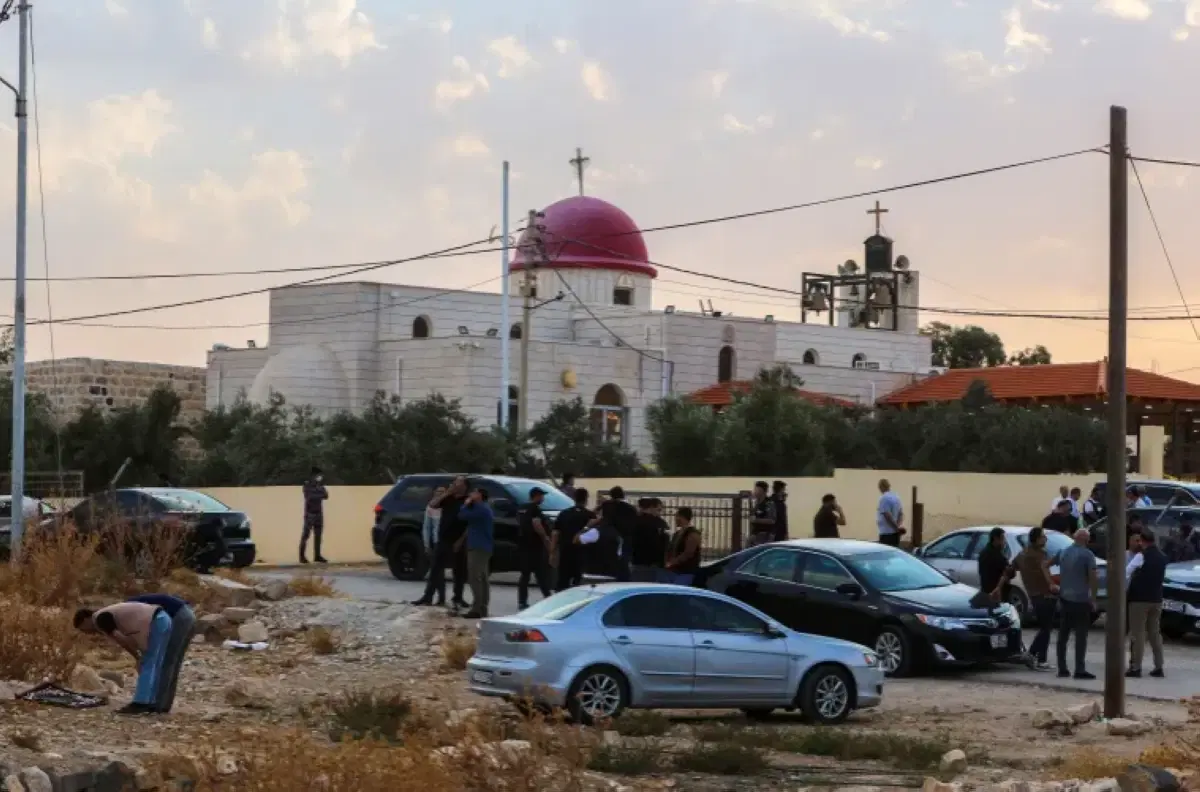
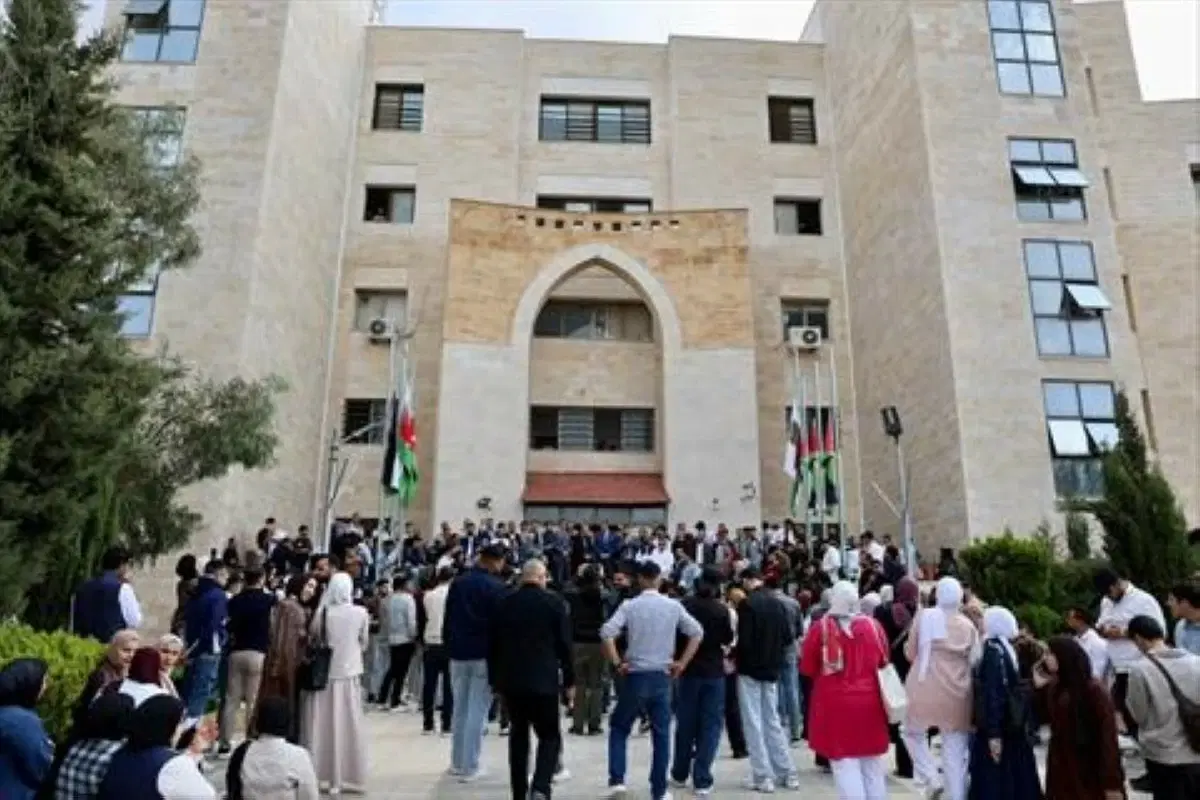
The scientific session, moderated by the Director of the "Center" and the project's principal investigator, Dr. Mohammad Al-Batayneh, addressed the dimensions of the relationship between climate change and public health, and the research needs related to assessing health vulnerability and enhancing the response to climate risks at the regional level.

The Chairperson of the Department of Environmental Health at the American University of Beirut, Dr. May Jurdi, also presented an overview of the cooperation in the fields of climate and health and the regional vision of the project, while the project consultant, Dr. Munjed Al-Sharif from the German Jordanian University, reviewed the effects of climate change on health in Jordan, with a focus on assessing environmental risks and identifying priorities for adaptation and emergency preparedness.

For his part, Al-Batayneh presented the project's objectives, methodology, implementation plan, and expected outcomes, explaining the research work axes upon which it is based in assessing climate-related health vulnerability, and identifying the priorities and needs necessary to support health planning and enhance readiness for risks and emergencies.

The event concluded with a consultative discussion moderated by Dr. Ruba Al-Akash from the Faculty of Archaeology and Anthropology, with the participation of the project team and attendees. The discussion addressed the priorities of the participating entities, data sources, and the distribution of roles among partners, in addition to mechanisms for integrating gender equality and social inclusion into the implementation stages, and identifying the next steps to proceed in achieving the project's goals.

The project reflects the importance of employing scientific research to address growing health and environmental challenges by developing methodological tools to assess climate-related health vulnerability and enhance emergency preparedness, contributing to supporting health planning and raising the capacity of health systems to face risks and adapt to climate variables in the Middle East and North Africa region.

Know more about this story?Send us a tip

Al Rai

AI

Ask about this report — answers stay grounded in its text.

Answers are experimental and grounded in Al Rai reporting. Each question uses 2 credits.