Why are Americans drawn to the clothing of the past?
Agencies5 min read
Share
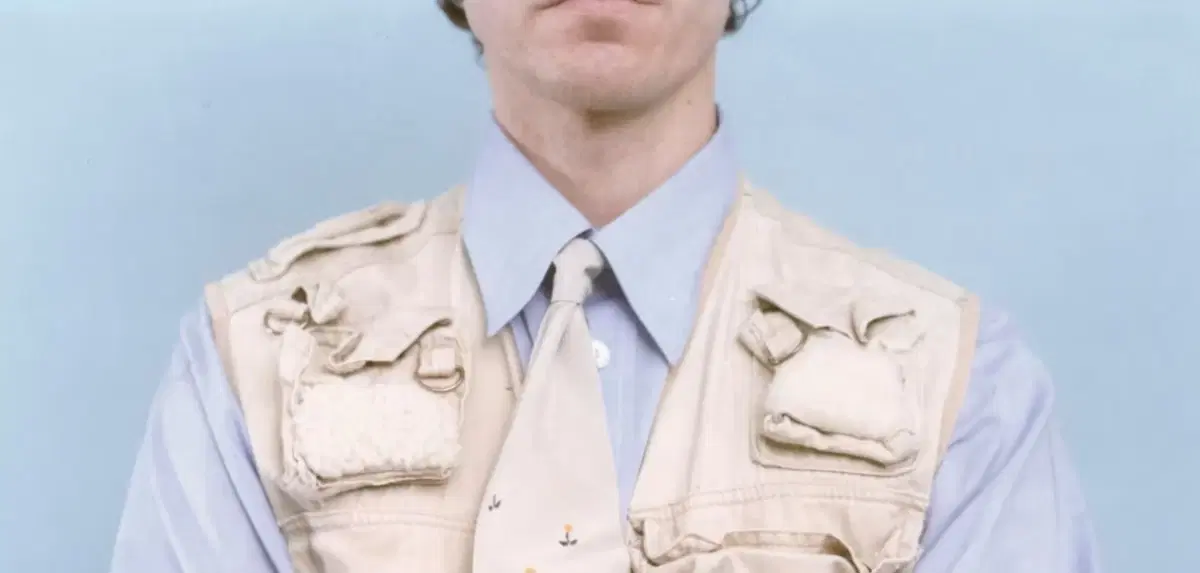
Workwear is no longer exclusive to factories, workshops, and construction sites; it has become an increasingly popular choice among Americans, including office workers, with work jackets, jeans, and sturdy boots returning to the forefront of fashion. This popularity reflects a blend of nostalgia for the past and an admiration for practical designs that combine simplicity and durability.
This phenomenon comes at a time when the percentage of workers in manual professions, such as mining, construction, and manufacturing, has declined from 76% of the total American workforce in 1910 to 25% in 2000, according to data cited in the report. Despite this shift in the labor market, clothing associated with those professions continues to attract consumers and maintain a significant presence in the markets.
According to a report published by CNN, work jackets, multi-pocket trousers, and heavy boots have become part of the attire of millions of employees, and these designs have moved into major retail stores and global fashion capitals.
The issue is not limited to the return of old trends, but reflects a change in the perception of workwear itself. Men's fashion editor David Hellqvist highlights this shift in his upcoming book, "Blue Collar Modernism," tracing the journey of practical clothing from factories and mines to the world of contemporary fashion.
The roots of many currently popular pieces date back to the nineteenth century, when clothing was designed to withstand harsh working conditions, provide comfort, and resist tearing. Jeans are at the forefront of these pieces, having been associated with miners in California.
In 1873, a patent was registered for the copper rivets used to reinforce jeans pockets and reduce tearing. What began as a practical solution to a problem regarding fabric durability later became an essential detail in the design of modern jeans.
This legacy was not limited to jeans; "Dr. Martens" boots drew their designs from military footwear, while "Barbour" waxed jackets appeared in 1894 to protect those working in fishing and maritime activities from water.
With the beginning of the twentieth century, artists contributed to taking these clothes out of their professional scope, as they wore overalls, jeans, and work jackets for the freedom of movement they provided and their suitability for daily activities. Over time, these pieces acquired new meanings and became associated with independence and rebellion against traditional rules of elegance.
American artist Jackson Pollock embodies this shift; a photo taken in his studio in 1949 shows him wearing jeans and a work jacket while painting, in an example of the transition of functional clothing into various artistic and cultural circles.
World War II played a role in the spread of American workwear outside the country, after American soldiers abroad wore denim clothing, which was provided by the "Levi's" company in many cases. The company received recognition from the American War Production Board during that period.
After the war ended, the popularity of jeans expanded in Europe, benefiting from the influence of American cinema, which presented them as a symbol of youth and rebellion. Films such as "A Streetcar Named Desire" in 1952 and "Rebel Without a Cause" in 1955 contributed to cementing their cultural status and moving them from clothing associated with work to a prominent element in daily fashion.
Jeans also acquired political connotations during the Cold War. In 1959, The New York Times reported the arrest of a teenager in East Berlin after he bought a pair of blue jeans from the western sector of the city, and his sentencing to two months in prison, an incident that revealed the extent to which Western clothing was linked at the time to identity and cultural openness.
Fashion historian Sonya Abrego links the demand for workwear to nostalgia for the past, as well as an appreciation for craftsmanship, manufacturing quality, and durability—characteristics that some consumers find lacking in low-cost clothing. For some, these outfits also carry emotional value, as they remind them of the professions practiced by their parents and grandparents.
As for Hellqvist, he believes that wearing these clothes is linked to the image of a person capable of accomplishing tasks and fixing things with their own hands—an image that transcends the aesthetic aspect to touch upon concepts of independence and self-reliance. Hence, office workers find in this style a way to add a practical touch to their look, far from the nature of their daily work.
Several brands have benefited from this growing interest, including Japan's "Auralee," Britain's "Fera," which specializes in countryside-inspired fashion, and Denmark's "MFPEN," which makes comfortable clothing using surplus fabrics while maintaining the practical nature of its designs.
Also prominent is the London-based brand "Service Works," founded by Tom Chudley in 2020 after more than ten years of working in restaurants. The brand offers a collection of clothing inspired by professional uniforms, including chef trousers, aprons, jackets, and shirts made from materials suitable for practical use.
Despite the appeal of this trend, it raises questions about the contradiction between celebrating workwear and the fact that many of its wearers are far removed from the professions for which it was designed. Critics object to buying high-priced pieces that mimic the clothing of manual laborers, only to wear them in offices and various professional environments.
Between appreciating quality, evoking memories, and the desire to adopt a look that suggests strength and independence, fashion is reviving clothing that originated to meet daily work needs. Thus, work jackets, jeans, and sturdy boots are no longer just tools for professionals, but have become an expression of a contemporary taste that draws inspiration from the past and gives it a new place in the world of fashion.