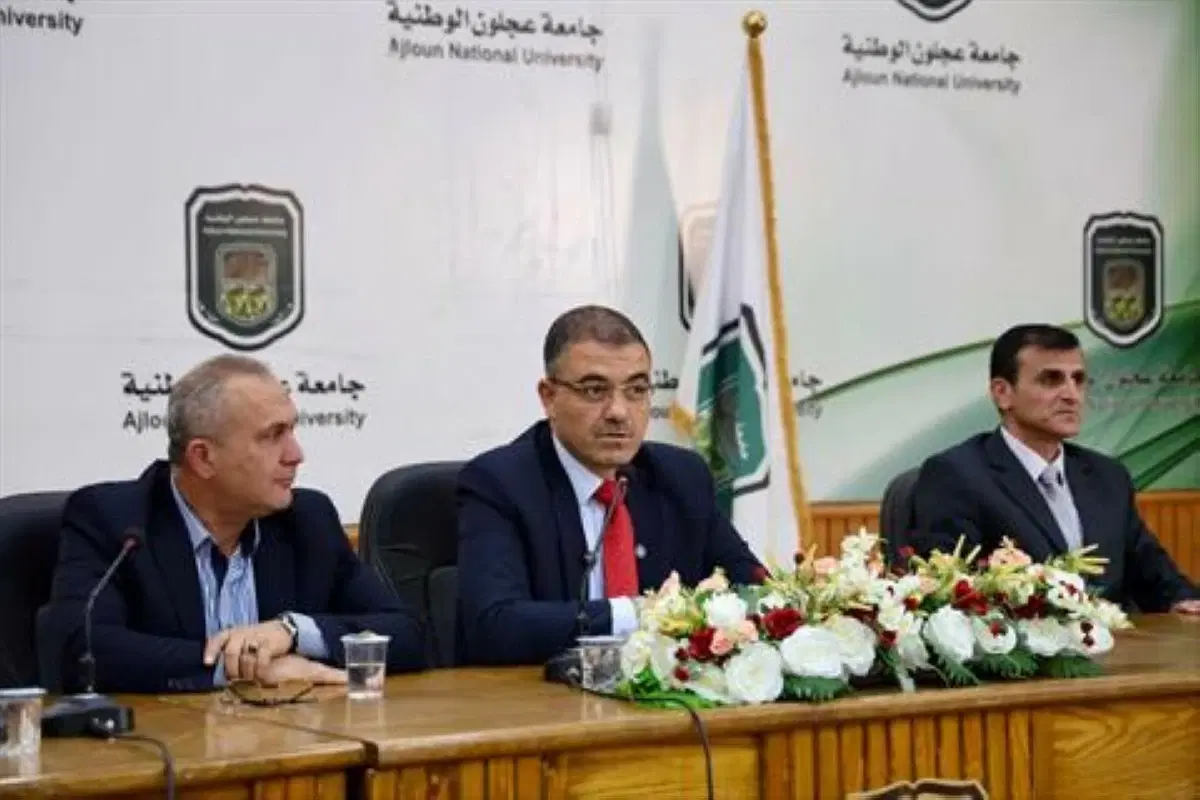
Dr. Muhammad Abu Dalbouh, former director of the Agricultural Research Center in Mafraq, says that the appearance of migratory birds is linked to seasonal and environmental changes, and that observing certain species during specific periods of the year has become part of the observations passed down by farmers and rural people through generations, along with the connection between bird movements and the availability of food, temperature, and environmental conditions.
He adds that the presence of these birds in agricultural areas is of ecological importance, as many of them depend on insects and small organisms for their food, making them part of the natural balance in the agricultural environment. However, their appearance does not necessarily mean that the time for rain has arrived for sure, but rather represents a seasonal indicator related to the bird's life cycle, movement, and migration.
From a heritage perspective, Mafraq heritage expert Ahmed Alimat believes that birds were strongly present in the popular memory of the desert people, and that the locals used to observe nature's details, such as birds, winds, clouds, and plants, and link them to agricultural, grazing, and rainy seasons, making the appearance of certain birds an occasion for optimism and people's anticipation of the winter season.
Alimat points out that such popular beliefs and customs form part of the oral heritage passed down by generations, especially in rural and Bedouin communities that were more connected to nature and its seasons, noting that recalling these phenomena today brings back a part of the popular memory that has begun to decline with changing lifestyles.
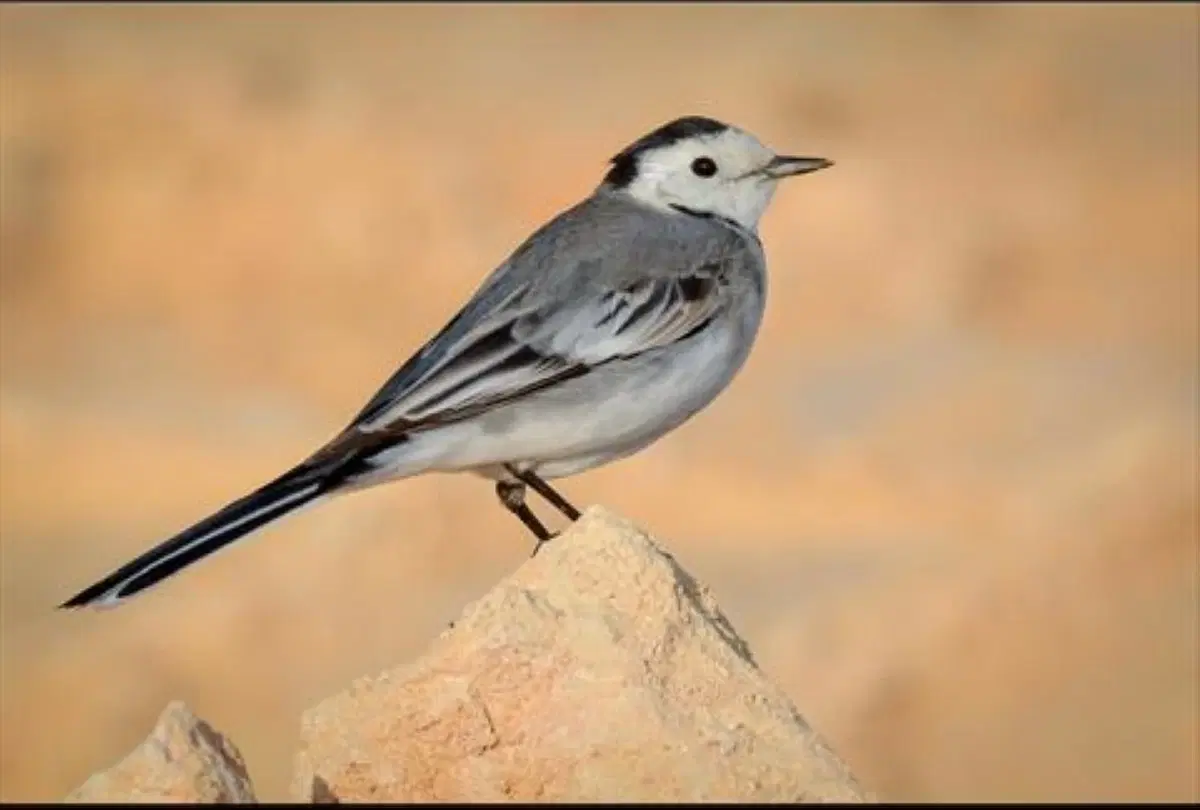
He pointed out that the "White Cuckoo", as the locals call it, is characterized by a small body and colors that combine white, black, and gray, with a long tail that moves noticeably as it walks on the ground, searching for insects and food sources in open areas and agricultural lands.
Alimat explained that between the scientific explanation and the popular heritage, the appearance of this bird in the skies, plains, and open areas of Mafraq remains a seasonal scene that stops the locals and brings back memories of the grandparents' tales about winter and rain, when nature was a primary source for reading the seasons and awaiting prosperity.