Settler terrorism in the West Bank.. Poisoning livestock to create a pretext for attacking Palestinians
Agencies3 min read
Share
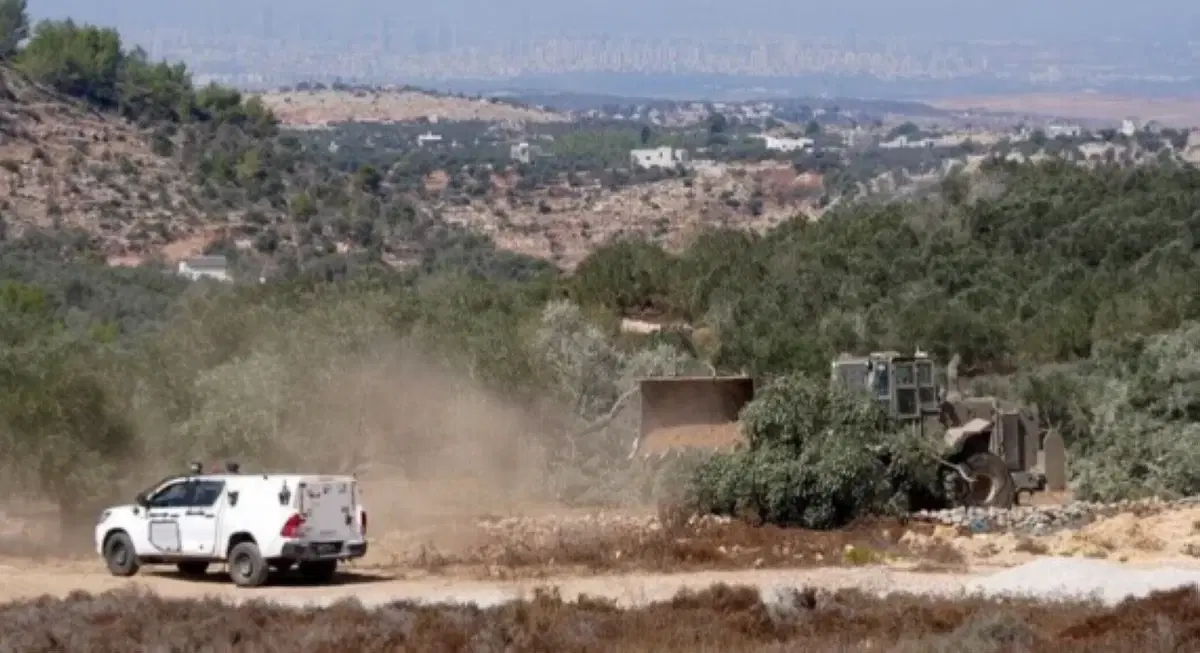
Palestinian platforms circulated, on Sunday, video clips showing an Israeli settler poisoning livestock owned by other settlers near the village of Al-Mughayyir, northeast of Ramallah, in an attempt to create a pretext to attack Palestinians.
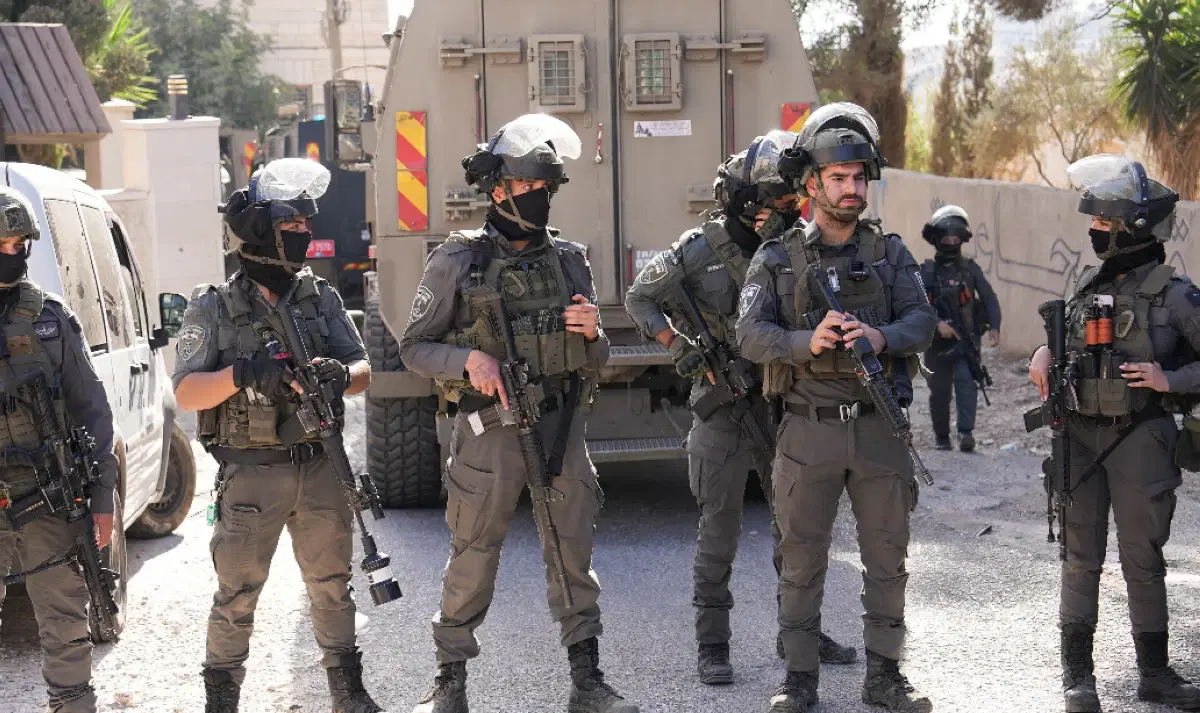
The clips showed a masked person placing a substance for livestock that later died, while Israeli soldiers appeared at the scene of the incident.
The platforms stated that the clips were filmed in the eastern plain of Al-Mughayyir village, and that the livestock belonged to settlers in one of the settlement outposts near the village.
They added that the poisoning operation was carried out deliberately with the aim of accusing the local Palestinian residents and using the incident as a pretext to launch attacks against them and their property.
They also circulated another clip posted by settler Elisha Yered on social media, showing a number of dead livestock, and said that he attempted through it to hold Palestinians responsible for their death.
Palestinian platforms considered the incident to be part of the methods used by settlers to fabricate events and create pretexts to launch attacks and raids against Palestinians.
For its part, the Hebrew website "Jewish Voice" said that about 19 incidents of poisoning of settlers' livestock have been recorded in various areas of the West Bank since the beginning of this year, noting that the Israeli army is pursuing those responsible for them.
However, comments by Israelis on the news published on the same site cast doubt on that narrative, with some saying that the clips reveal the inaccuracy of the accusations directed at the Palestinians.
There was no immediate comment from the Israeli army or police regarding the circulated clips or the circumstances of the incident.
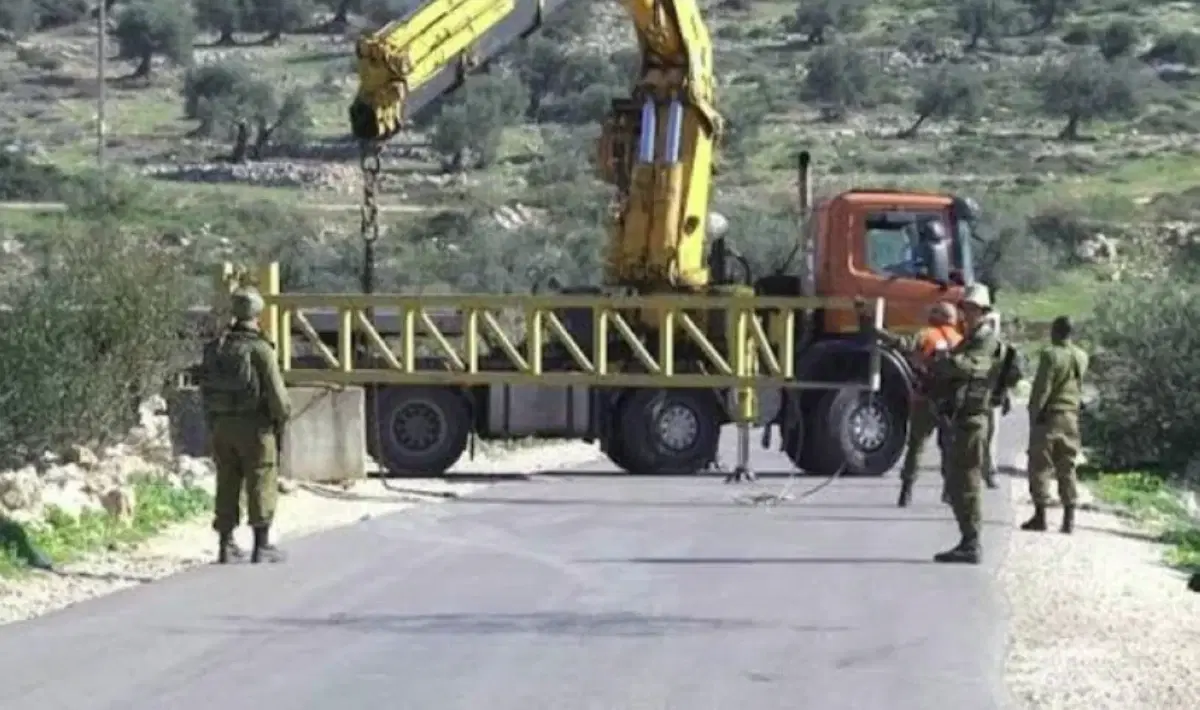
The incident comes in conjunction with the olive harvest season in the West Bank, which witnesses repeated attacks by settlers and Israeli restrictions on the access of Palestinian farmers to their lands.
The olive harvest season began at the beginning of this October, and it constitutes a main source of livelihood for thousands of Palestinian families.
According to the Palestinian Wall and Settlement Resistance Commission, more than 45,000 trees were cut down or damaged in the West Bank during the first half of 2026, including more than 26,000 olive trees.
Official Palestinian data indicate the presence of about 750,000 Israeli settlers in the West Bank, including occupied East Jerusalem, living in 194 settlements and about 400 settlement outposts.