Tetteh stated that significant challenges remain, "exacerbated by the continued refusal of some parties to engage constructively, and the use of inflammatory rhetoric and misinformation," warning that such practices threaten to harden political positions, undermine the willingness to make concessions, and attempt to justify unilateral actions that could undermine the political process or lead to violence.
The UN official was referring to the agreement signed by the parties participating in the "mini-meeting" on August 30, which "represents a breakthrough in the long-standing political and institutional stalemate," the subsequent broad support from national and international stakeholders, and the High Council of State's rejection of the agreement on October 5.
The Special Representative pointed out that institutional and political division continues to negatively affect the economic and security situations in the country, adding that "while global oil prices should have generated significant exceptional gains for public revenues to benefit everyone, many Libyans find themselves facing an erosion of their purchasing power."
She warned that the general security situation remains fragile, while welcoming positive steps toward strengthening military cooperation between military and security institutions in the east of the country.
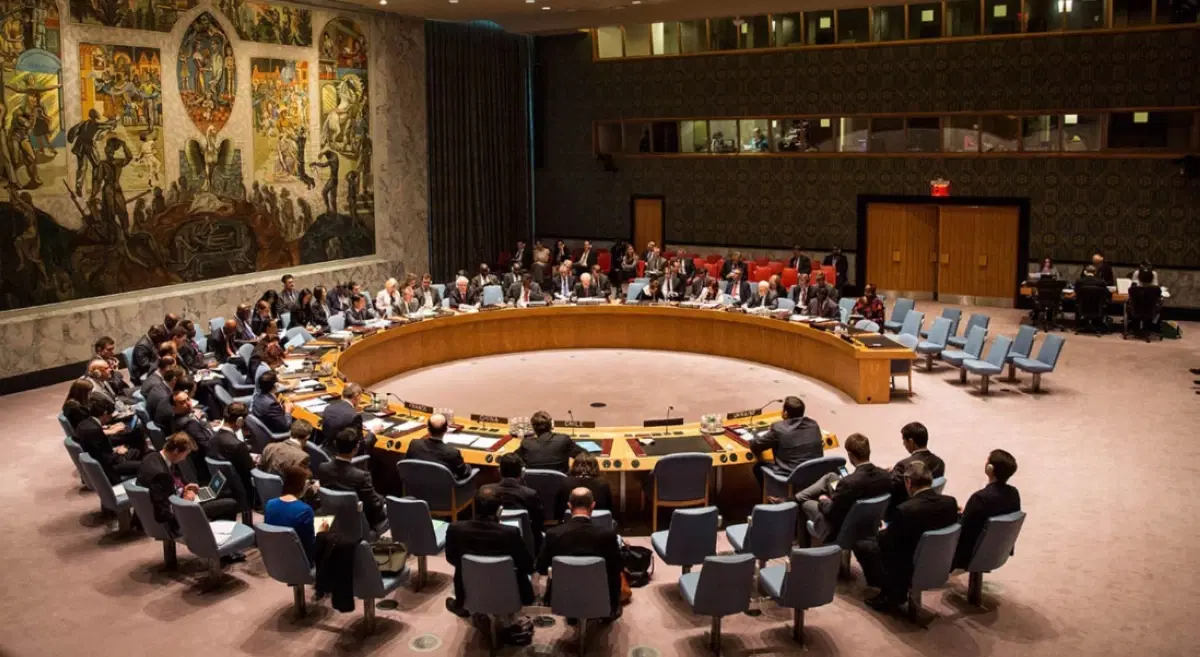
The Libyan representative to the United Nations participated in the session, in addition to members of the Security Council.