Princess Basma: Women in the Agricultural Sector are Partners in Production
She sponsored the national meeting on women in agriculture
Amman4 min read
Share
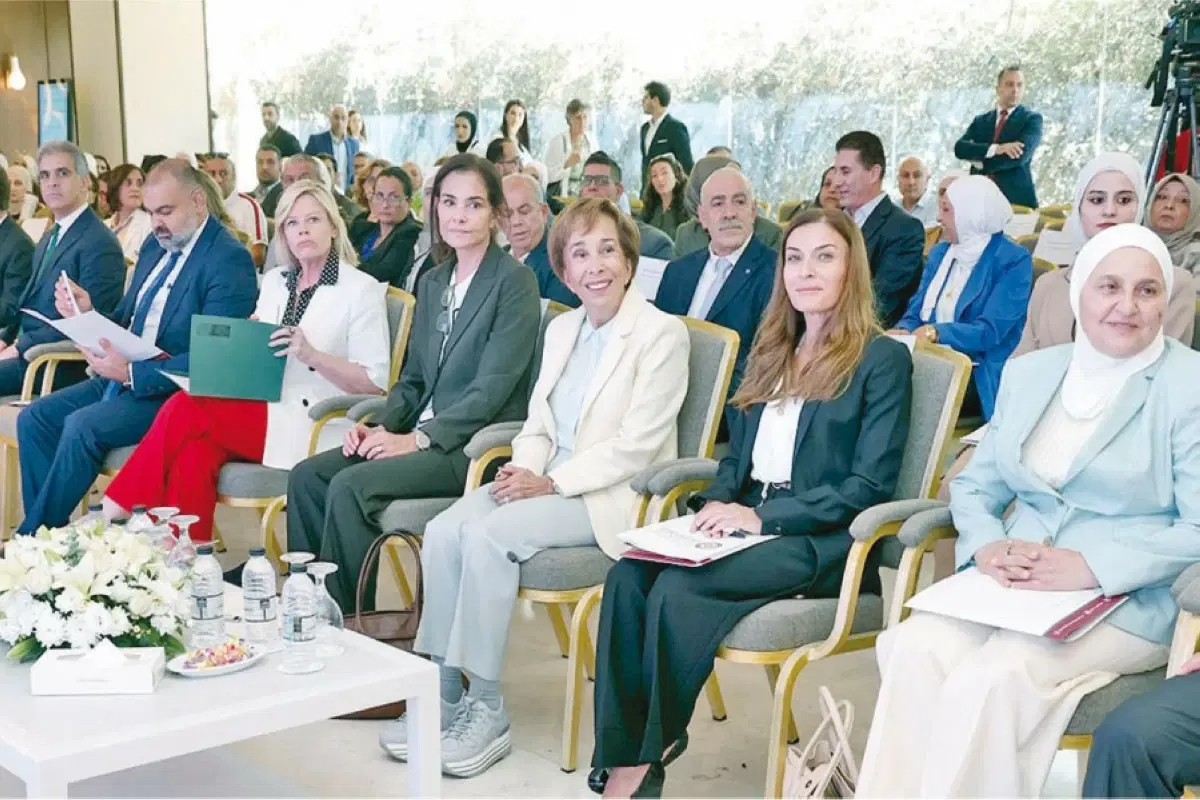
Princess Basma Bint Talal, Chairwoman of the Board of Trustees of the National Committee on Women's Affairs, sponsored yesterday, Sunday, the national meeting organized by the Committee entitled: » Women in Agriculture: From Beneficiaries to Partners».
The meeting aimed to explore the priorities of women working in agriculture within the national dialogue on rural policies and development, and to enhance their participation in shaping decisions that affect their lives and livelihoods.
The Princess emphasized the importance of this meeting, which discusses the reality of women in the agricultural sector as an issue related to the core of development in Jordan, as the working woman in this sector is a partner in production, has the right to opportunity and decision-making, and is a fundamental element in building the future of rural Jordan.
Her Highness pointed out that the meeting comes in line with the United Nations declaration «2026 International Year of Rural Women»which confirms the importance of the working woman in agriculture being present in our policies, programs, and practices, and being at the heart of the rural economy and one of its pillars.
Her Highness pointed to the challenges facing women working in the agricultural sector, which are linked to transportation, lack of social protection, limited access to guidance and services, in addition to care responsibilities, which calls for a more integrated institutional response.
Her Highness pointed out that the vision of economic modernization has placed agricultural productivity and women's economic participation among our national priorities, which confirms the importance of both paths and working to empower women working in this vital and important sector, and treating them as partners in decision-making and opportunities.
Her Highness pointed to the pivotal role of the Jordanian National Committee on Women's Affairs, as a national mechanism that brings together public institutions, civil society, the private sector, and partners, and works to link national policies with the reality of women's lives.
For her part, the Acting Secretary-General of the Jordanian National Committee on Women's Affairs, Dima Jouihan, said that talking about women in agriculture represents hard work, economic empowerment, and food security, and justice in access to resources, services, and opportunities, pointing to the importance of recognizing women's work and enabling them to benefit from its fruits and participate in decisions related to it.
Jouihan added that the meeting reflects the keenness of the Committee, under the leadership of Princess Basma, to create a space for meaningful national dialogue with women working in agriculture, highlighting their experiences, expertise, and needs, and considering them as partners in production, decision-making, and setting development priorities, not just beneficiaries.
For her part, the Ambassador of Ireland to Amman, Nicole McHugh, confirmed that women constitute a large proportion of the global agricultural workforce, and are key actors in agricultural food value chains, but they still face obstacles in accessing land, finance, training, technology, and participation in decision-making.
She stressed the importance of enhancing women's presence and status in agriculture as a key axis for future agricultural policies and strategies; to meet the expectations and commitments of gender equality in the agricultural sector, reaching all sectors.
The meeting included working sessions with the participation of women working in the agricultural sector and representatives of related institutions, discussing a number of topics including guidance and counseling, technology and resilience to climate change, entrepreneurship, markets and leadership, decent work and care, and finance and ownership.
The sessions concluded with clear and specific outputs, with the aim of including them in the national strategy for women in Jordan, and following up with the concerned parties.
The meeting marked the beginning of a dialogue and follow-up process that links the voices of women working in agriculture to policy-making, and enhances the integration of national efforts to support their economic and social participation and their role in the development of their communities.
The meeting focused on the role of the Jordanian National Committee on Women's Affairs in bringing together the concerned parties and coordinating their efforts, conveying women's priorities to national policy and planning tracks, and building on the discussions to update the national strategy for women and its executive plan, especially with regard to the economic and social empowerment of women.