Northern Jordan Valley Women Defy Harsh Conditions with Productive Projects
150,00ophore Dinars for domestic water harvesting projects
Amman5 min read
Share
«Agriculture»: Necessity of supporting productive projects to ensure the continuity of their work
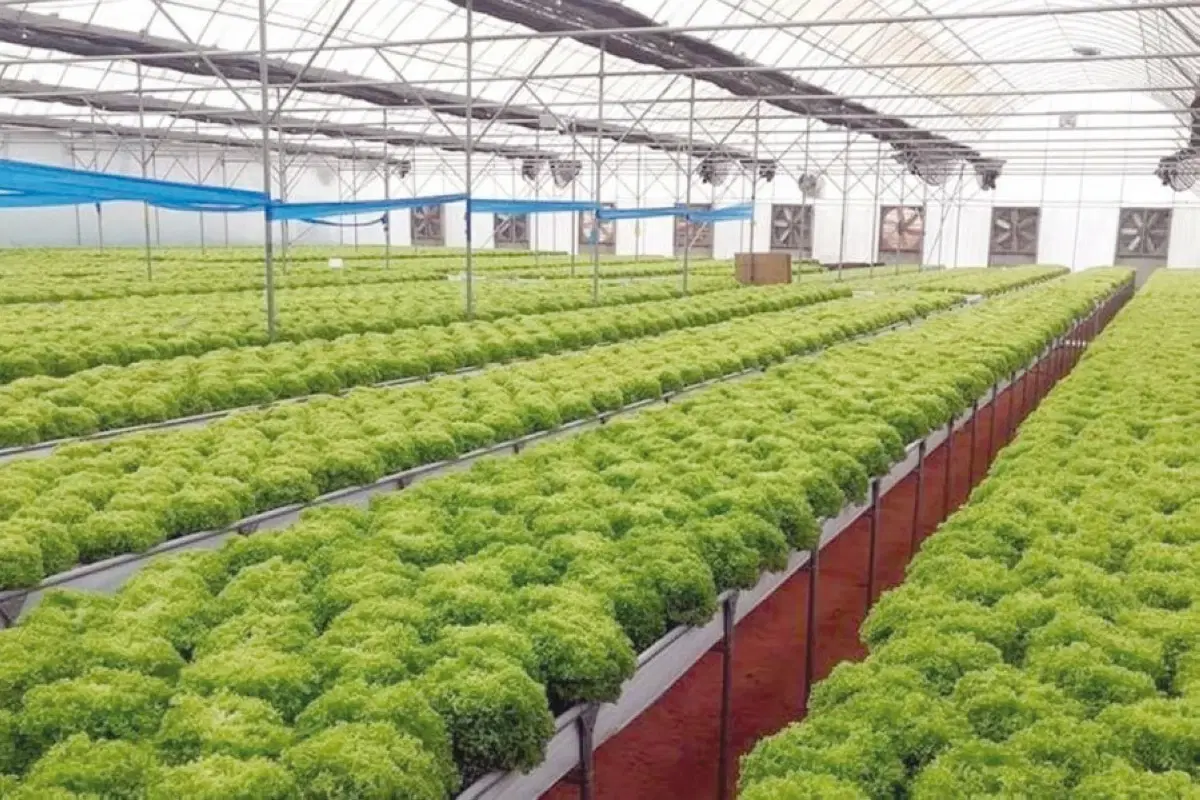
Despite the severe high temperatures in the Northern Jordan Valley district, women refused to surrender to reality and decided to take on the challenge by launching small and micro-projects to secure the daily livelihood of their families and prove women's ability to give and achieve under the harshest conditions.
Their beginnings were not strewn with roses, and their path to this day remains in dire need of support and backing; here is Hamdeh, who sets the finest example of patience and perseverance, defying the scorching summer heat to raise sheep, sometimes carrying loads and items on her head while moving about with absolute honesty and determination.
Hamdeh emphasizes that many long months pass without any milk production, pointing out that the scarcity of natural pastures doubles the magnitude of her suffering and forces her to bear heavy financial costs to purchase fodder and secure drinking water for the livestock, placing her project before difficult living and economic challenges.
As for Samira, she has forged a path for herself that reflects creativity and personal effort, yet she continues to struggle against circumstances and await a helping hand to this day. She affirms that providing the necessary support and adequate funding for her project will enable her to expand and sustain it, while ensuring the protection and advancement of her efforts amid market fluctuations.
Along the same path, Iman stands with her passion and determination as a living model of the productive woman, having launched her project with simple tools and a solid will; however, the continuation and success of this project remain contingent upon the presence of incubators and genuine care to support her in overcoming operational obstacles.
The women demanded the provision of real and direct support for these projects to ensure their continuity, pointing out that a large number of women in the Northern Jordan Valley district work in the agricultural sector—whether as farm workers, owners of agricultural projects, or productive family projects—possessing promising energy and potential, but are in dire need of support and the provision of necessary tools and funding to improve their living conditions and achieve economic stability for their families.
For her part, the First Assistant to the Speaker of the House of Representatives and member of the Reform Party, MP Hala Al-Jarrah, appreciated the swift response from the Ministry of Agriculture, explaining that the party fully adopts the cause of these women and the advancement of their economic and social conditions.
Al-Jarrah explained that she met with the Minister of Agriculture, Dr. Saeb Khraisat, accompanied by a delegation of about 15 women from the region, including productive project owners, female farmers, and female workers in the agricultural sector who are in urgent need of support and empowerment.
Al-Jarrah expressed her thanks and appreciation to the minister for the warm reception, great understanding, and cooperation he showed toward the women's demands and needs, noting that the minister expressed his full readiness to cooperate and confirmed that he will contact the relevant directorates in the ministry to find a clear and practical work mechanism to support and rehabilitate these women and help them overcome the challenges facing their projects and field work.
In the same context, the Director of Agriculture in the Northern Jordan Valley, Engineer Mohammad Al-Naim, indicated that the directorate has directed an official letter to the governorate council (decentralization) demanding the allocation of financial funds to support productive projects dedicated to productive families, farmers, and female farmers in the region, stressing the necessity of continuing this support to ensure the continuity of their work and overcoming difficult living conditions.
Al-Naim reviewed the package of projects and programs implemented by the directorate to knock on the doors of agricultural empowerment, pointing out that financial allocations were secured to support the agricultural sector through the establishment of collection wells, where the construction of 10 collection wells began at the beginning of last July, accompanied by enrolling engineers in a specialized training course to implement this program efficiently.
Al-Naim added that the directorate supervised the operation of the Wadi Al-Rayyan project for cooling all agricultural products, which contributes to employing the region's youth, noting that the cooling line was operated on a trial basis to ensure its complete readiness, alongside organizing continuous extension courses for small farmers, especially in the fields and techniques of irrigation operations.
He pointed out that the directorate, through the decentralization budget, worked to support and distribute cows and livestock within the rural development project to a number of families in the Valley, reminding that the directorate had previously implemented similar projects to support livestock and productive families years ago to establish a sustainable income nucleus for them.
Regarding plant and animal production, Al-Naim indicated that integrated support was provided by supplying veterinary treatments, medicines, and pesticides within the ministry's projects, in addition to deploying a mobile veterinary clinic comprising an integrated staff including a veterinarian, a veterinary engineer, and a veterinary nurse, who recently performed a surgical operation on a type of livestock in the field, reflecting high readiness to reach breeders at their locations.
On the level of local and institutional support, the President of the Irbid Governorate Council, Engineer Munther Al-Bataineh, affirmed that the council allocated within the 2027 budget the amount of 15,000 dinars for domestic water harvesting projects, to enable families and women to collect water and benefit from it in their domestic and agricultural projects.
Al-Bataineh pointed out that the council had allocated financial funds last year to support the agricultural sector and advance productive projects, confirming the governorate council's keenness to provide comprehensive and continuous support to all districts affiliated with Irbid Governorate without exception, ensuring the distribution of development and services and directing budgets toward projects that serve citizens and support them in facing living and economic conditions.