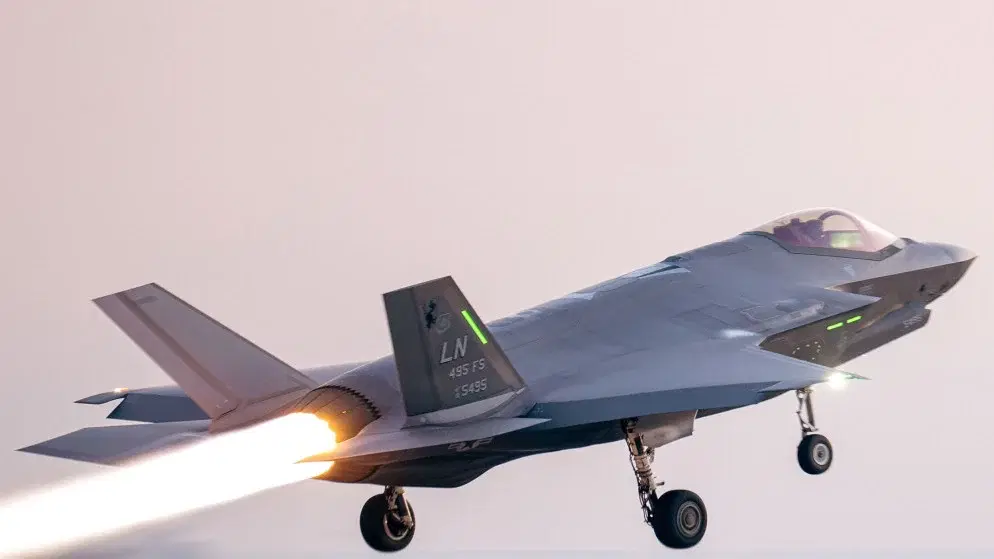
Netanyahu had previously announced Israel's readiness to launch a preemptive strike on Iran without American support, confirming that the goals set by Israel do not depend on Washington's approval.
He stated that his goal is to topple the regime in Tehran, claiming that "90 percent of the mission has been accomplished."
In a separate message, responding to support directed at him by US President Donald Trump ahead of the Israeli elections scheduled for this month, Netanyahu said that their partnership will continue with the aim of eliminating the Iranian threat within the next two years, "or perhaps sooner."
In contrast, Iranian Chief of Staff Ali Abdollahi threatened American and Israeli leaders, saying in a speech: "We are waiting for your foolish decisions with impatience."
During an election rally on Saturday, Trump had said that the United States had "eliminated" Iran's nuclear capability, demanding guarantees to prevent it from being rebuilt and stressing the need to ensure that it "will not return."
The US-Israeli war on Iran erupted on February 28, 2026, with a massive air attack targeting Iranian sites, despite ongoing talks regarding the nuclear program. It followed a 12-day war in June 2025, in which the United States participated by striking Iranian nuclear facilities, without ending the disputes over the nuclear program and Iranian military capabilities.
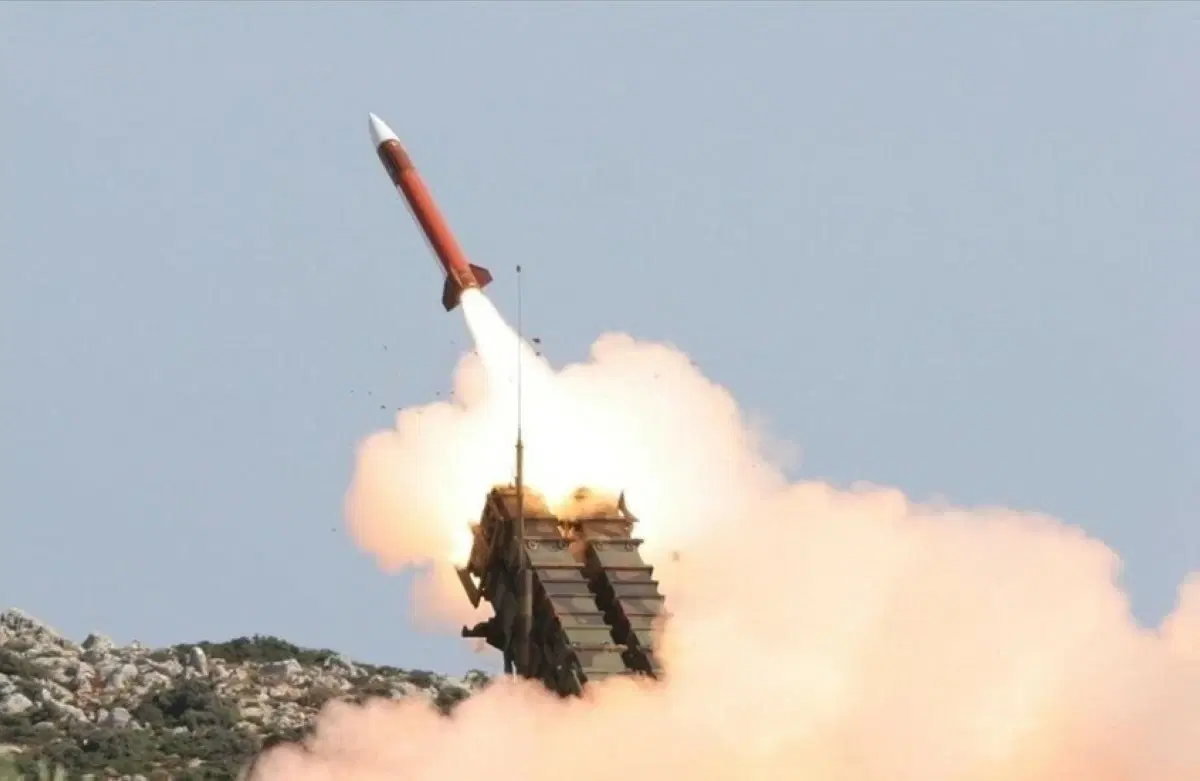
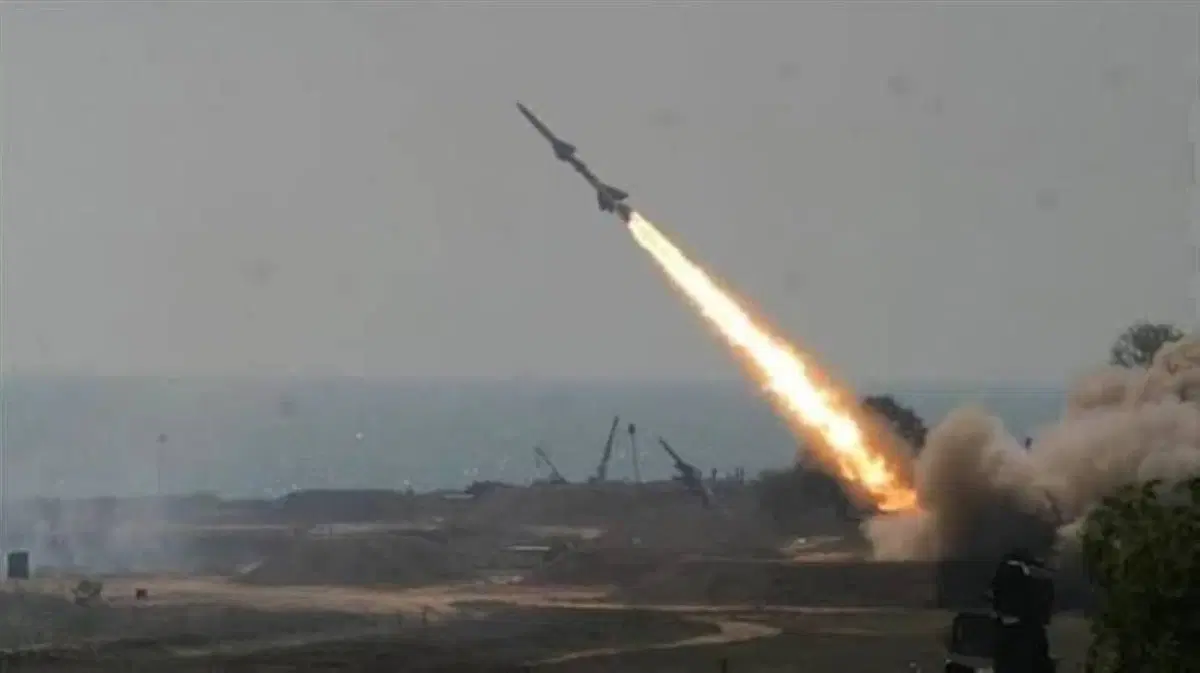
Iranian Supreme Leader Ali Khamenei and a number of senior officials were killed on the first day of the war, and Tehran responded by launching missiles and drones toward Israel and targets in the region, which expanded the scope of the confrontation.
The repercussions of the war extended to the Strait of Hormuz, with Iranian restrictions on navigation and an American blockade of Iranian ports, raising concerns about global energy supplies.
Despite reaching a memorandum of understanding between Washington and Tehran in June, negotiations faltered due to disagreements over the nuclear file, sanctions, and the Strait of Hormuz. Israeli Prime Minister Benjamin Netanyahu's threats come in light of the continued dispute over ending the war and his insistence on the goal of toppling the Iranian regime, in exchange for Tehran hinting at a harsher response if attacks resume.