

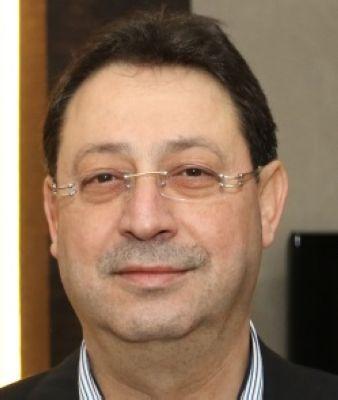
The testimony of "Avi Gil," Netanyahu's former military secretary, on October 8th, came as a bombshell, opening a new chapter in this confrontation. Avi Gil said that warnings of a decline in deterrence and the possibility of a confrontation reached the Prime Minister in the weeks and months before the attack, and that intelligence flowed through the relevant institutions in the early hours of October 7th. He also spoke of an attempt to change the timing of a recorded call in the official record. These are not trivial details; the issue concerns the difference between failing to assess the danger, which is a serious political and security failure according to the criticisms raised, and the possibility of manipulating records or misleading investigative authorities, which could have legal consequences if proven and identified by the investigation, reaching the level of high treason. However, Netanyahu did not accept Gil's account, but responded by accusing him of failing to wake him up in time (note the absurdity of the response). Thus, the confrontation turned into a struggle over the narrative itself: who received the information? Who conveyed it? And what happened in the hours leading up to the attack? These questions, in the absence of a final public investigation, remain a point of contention among the parties involved.
Politically, Netanyahu will attempt to shift the center of the discussion from his personal responsibility to the failure of the entire security establishment, arguing that the disaster was not the result of a single decision. He has explicitly stated this before, accusing Ronen Bar, head of the Shin Bet, and Herzi Halevi, the IDF Chief of Staff. He may also seek to buy time, mobilizing his base around what he considers subsequent military achievements, and presenting himself as the leader capable of managing and controlling regional threats. However, these tools and the style Netanyahu is accustomed to no longer hold value with the Israeli public, particularly in the eyes of his traditional opponents and the families of Hamas prisoners and victims of the war in Gaza, who remain steadfast in their demand for an independent investigation to determine responsibilities.