For his part, the Director of the Electricity and Rural Electrification Directorate at the Ministry of Energy and Mineral Resources, Engineer Hisham Al-Momani, reviewed the details of the decisions, indicating that they included residential homes located within and outside urban planning boundaries, at a total cost of about 470 thousand dinars.
In the context of supporting the agricultural sector and farmers, Al-Momani explained that the Rural Electrification Fund included livestock projects, including poultry, cattle, sheep, and fish farms located outside urban planning boundaries, with a support cost of 96 thousand dinars, in addition to supporting farms that include artesian wells outside urban planning boundaries, at a cost of 252 thousand dinars.
He emphasized that this support comes within the framework of assisting farmers, advancing the agricultural sector, contributing to achieving food security, and enhancing self-reliance, adding that the Rural Electrification Fund support included productive, industrial, investment, tourism, and economic projects, provided they contribute to providing job opportunities for Jordanians from the areas where the projects are implemented, which contributes to developing local communities and enhancing employment opportunities, as the value of support for these projects reached about 336 thousand dinars.
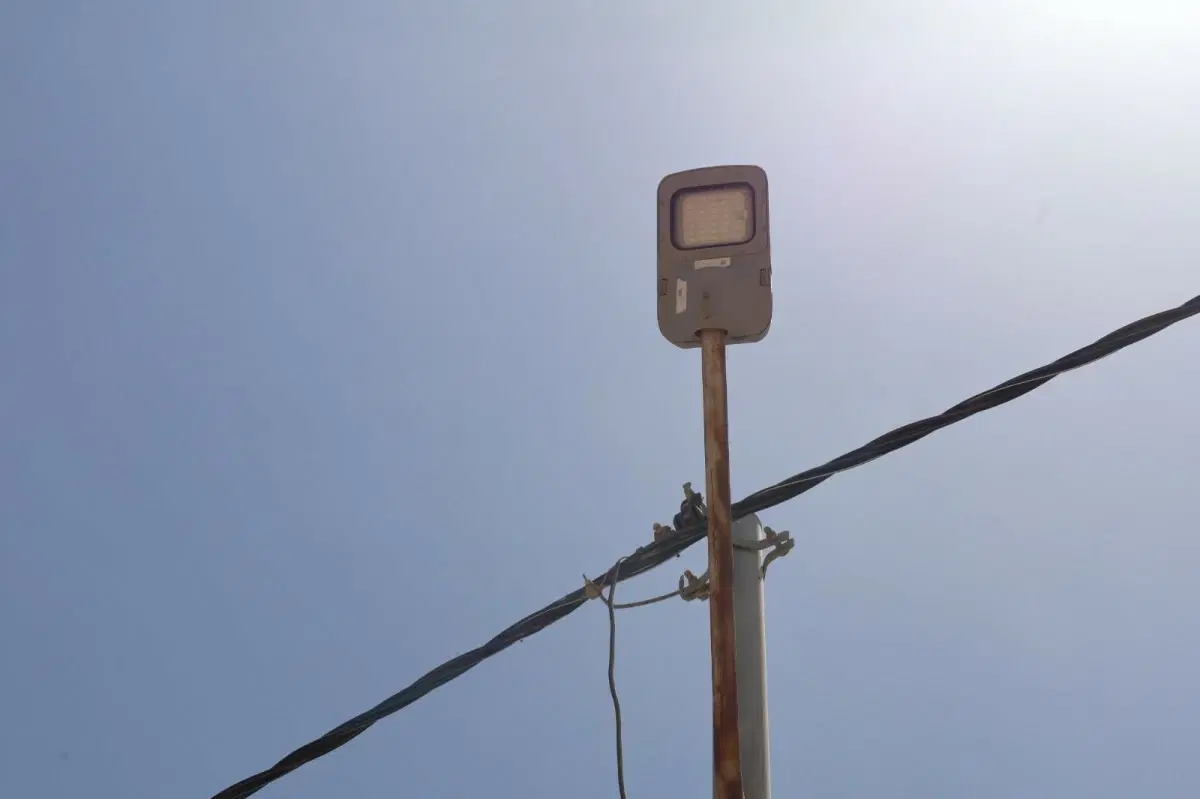
Al-Momani said that the Rural Electrification Fund also contributed to connecting electricity to a number of projects belonging to government sectors, at a total cost of about 38 thousand dinars, adding that the decisions included approval for lighting roads leading to cemeteries at a cost of 21 thousand dinars, to facilitate citizens' access to them and the burial of their dead during night hours.
In the field of utilizing alternative energy sources, the committee approved the installation of grid-connected solar cell systems for 49 homes of underprivileged families and beneficiaries of the National Aid Fund at a cost of 49 thousand dinars, with the aim of reducing the monthly energy bill for this group, which contributes to improving their disposable income and economic level.
Al-Momani explained that the Rural Electrification Fund also contributed to increasing the capacities of transformer stations established at the expense of the Rural Electrification Fund over the past ten years, to address weak electrical current and reduce electrical losses, at a cost of 55 thousand dinars.
The Ministry confirmed its continued work on developing and improving electricity connection services at the expense of the Rural Electrification Fund, ensuring the provision of a high-quality, professional, and more comprehensive service, calling on those interested to submit applications for electricity connection for homes and facilities in accordance with the foundations approved by the Council of Ministers and the decisions of the relevant Higher Steering Committee.